15 November 2026
Climbing Kilimanjaro has been compared to walking from the equator to the North Pole in a week. On the way you pass through five distinct zones.
1. Cultivated land (about 800–1,800 m)
The lower slopes are farmland: coffee, bananas and maize, grown mostly by Chagga families. You drive through this zone to the gates. Read more about the Chagga people.
2. Rainforest (about 1,800–2,800 m)
Warm and humid, with tall trees, ferns, moss and lichen. Blue monkeys and black-and-white colobus monkeys live here. On the southern routes this is where it rains most.
3. Heath and moorland (about 2,800–4,000 m)
The trees disappear and the landscape opens up. Giant heather, grasses and, higher up, the remarkable giant groundsels (Dendrosenecio) and lobelias. Nights start to get cold.
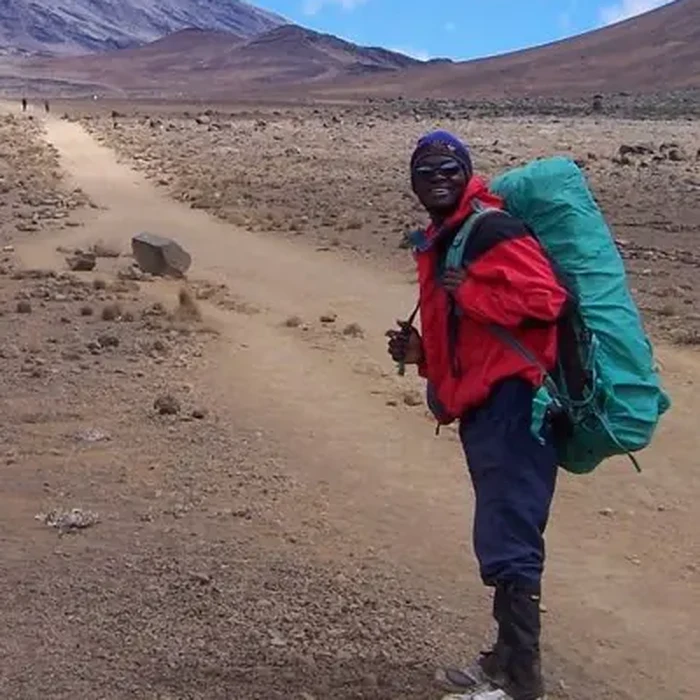
4. Alpine desert (about 4,000–5,000 m)
Dry, rocky and windy. Few plants survive. During the day the sun is strong; at night temperatures drop below freezing. This zone includes the Lava Tower and Barafu Camp.
5. Arctic summit (above 5,000 m)
Ice, scree and thin air. Glaciers and ice fields remain on parts of the crater rim, although they are shrinking. See the glaciers of Kilimanjaro.
What it means for packing
Because you cross all these zones, you need clothes for warm, wet and freezing conditions. Our packing list is built around these layers.
Want to see all five zones for yourself? Plan your climb.
Cover photo: Andrew Kayani on Unsplash (Unsplash License). Illustrative photo; see our photo credits.