15 November 2026
One of the most remarkable things on the summit of Kilimanjaro is ice. Near the equator, at almost 6,000 m, glaciers and ice cliffs still survive.
What you see
From Stella Point and Uhuru Peak you can see the remains of glaciers such as the Southern Icefield, the Rebmann and the Furtwängler Glacier. The vertical ice walls are a striking sight in the morning light.
Shrinking ice
Since the early 20th century, the ice on Kilimanjaro has shrunk dramatically. Scientists point to a combination of a drier climate, less snowfall and changes in cloud cover, alongside rising temperatures. Several studies have suggested the remaining ice may largely disappear in the coming decades.
Respect the ice
Do not walk on or touch the glaciers. Ice walls can collapse, and the area is fragile.
Why it matters
Kilimanjaro's ice is a visible sign of climate change. The mountain's forests, which supply water to communities below, are even more important for the region.
See it for yourself
Seeing the glaciers is, for many climbers, one of the most moving moments of the climb. Plan your climb.
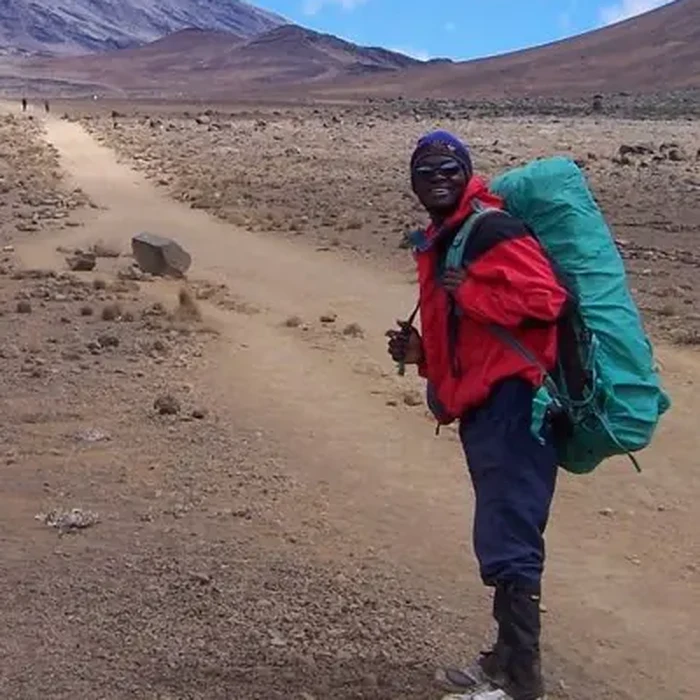
Cover photo: IPICS_SA Chikane on Unsplash (Unsplash License). Illustrative photo; see our photo credits.