15 November 2026
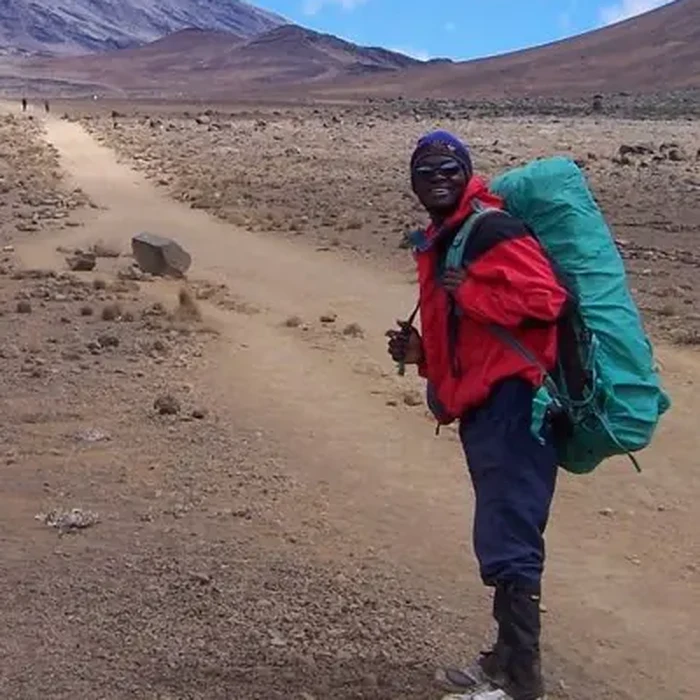
On Kilimanjaro you walk from tropical warmth to freezing nights in a few days. Layering is the key. Porters carry your main bag (usually up to about 15 kg), and you carry a daypack.
Clothing
- Base layers: two thermal tops and leggings (merino or synthetic, no cotton)
- Two or three hiking shirts
- Fleece or light insulated jacket
- Warm down or synthetic jacket for summit night
- Waterproof jacket and trousers
- Hiking trousers (two pairs)
- Warm hat, sun hat or cap, buff
- Thin liner gloves and warm insulated gloves or mittens
- Hiking socks (four or five pairs) and a pair of warm summit socks
Footwear
- Broken-in waterproof hiking boots with ankle support
- Light shoes or sandals for camp
- Gaiters for dust and mud
Sleeping
- Sleeping bag rated to about -10 °C comfort (can often be rented locally)
- Sleeping bag liner
- Inflatable pillow if you like
Daypack contents
- Daypack of 25–35 litres with rain cover
- Water bottles or hydration bladder, three litres in total
- Sunscreen, lip balm with SPF, sunglasses
- Snacks
- Headlamp with spare batteries
- Small first-aid kit and personal medication
Useful extras
- Trekking poles
- Wet wipes and hand gel
- Power bank
- Earplugs
- A small dry bag for electronics
Leave at home
Jeans, cotton clothes, large towels and heavy toiletries. Remember that plastic bags are banned in Tanzania; see our article on the plastic bag ban.
Our partner can arrange rental gear such as sleeping bags, poles and jackets. Ask us what is available.
Cover photo: Daniel Vargas on Unsplash (Unsplash License). Illustrative photo; see our photo credits.
Share the Article: