
23 August 2022
Tanzania is a remarkable country that is home to several of Africa’s best-known national parks and natural landmarks, including the impressive Mount Kilimanjaro. Take a look at our suggestions for the top things to do in Tanzania! Safaris and other wildlife experiences are the most popular activities here and the key reason most people come, along with the beautiful beaches of Zanzibar, which attract everyone who wants to soak up some sun.
Use this overview of the leading attractions and best things to do in Tanzania to weigh up your choices and discover the finest places to visit.
1. Serengeti National Park
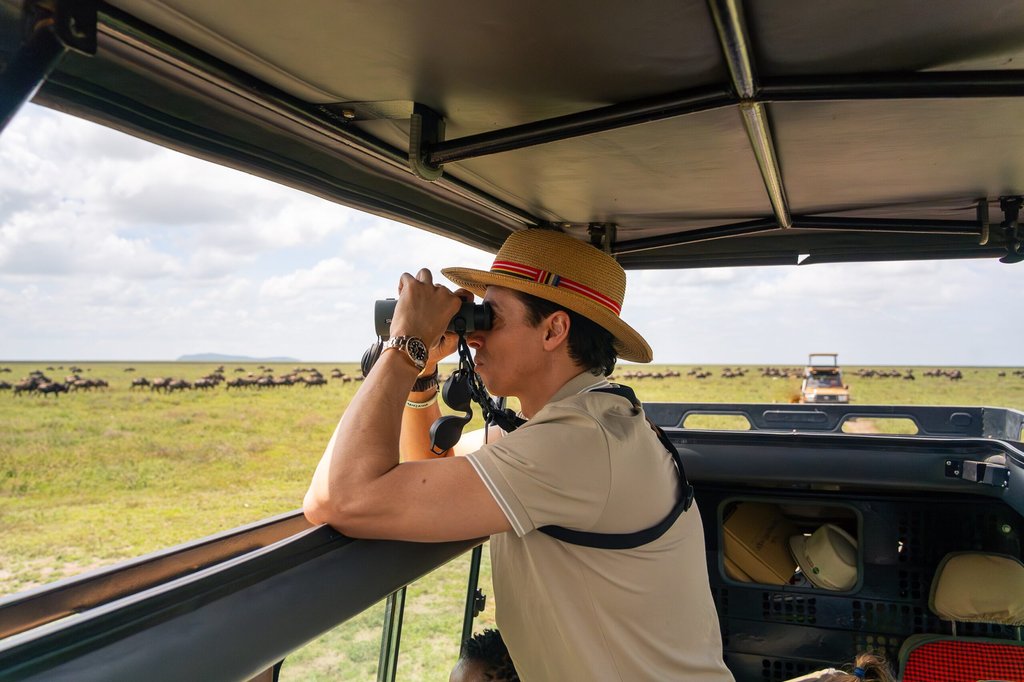
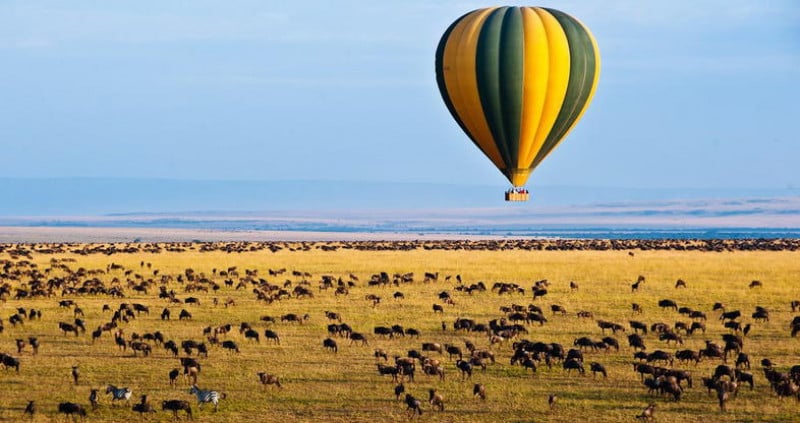
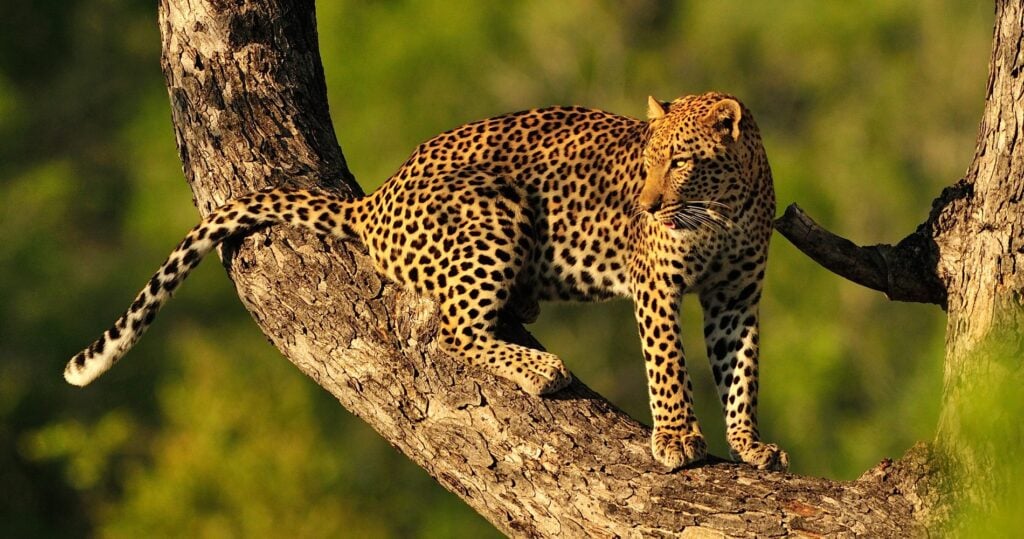
Serengeti National Park is a vast, treeless plain where millions of animals live or travel through looking for fresh grazing. Many of Africa’s most famous animals can be seen here, yet the park is best known for the annual wildebeest migration. Every May or early June, upwards of 1.5 million wildebeest, along with tens of thousands of zebra and gazelle, set off on their annual journey. This migration is among the most breathtaking sights in nature and is the main draw for a lot of travellers. The Serengeti also hosts almost 500 bird species. Each year, tens of thousands of visitors come to the Serengeti, the second-largest national park in Tanzania. For wildlife viewing in Serengeti National Park, June to September are the best months.
2. Zanzibar Beaches
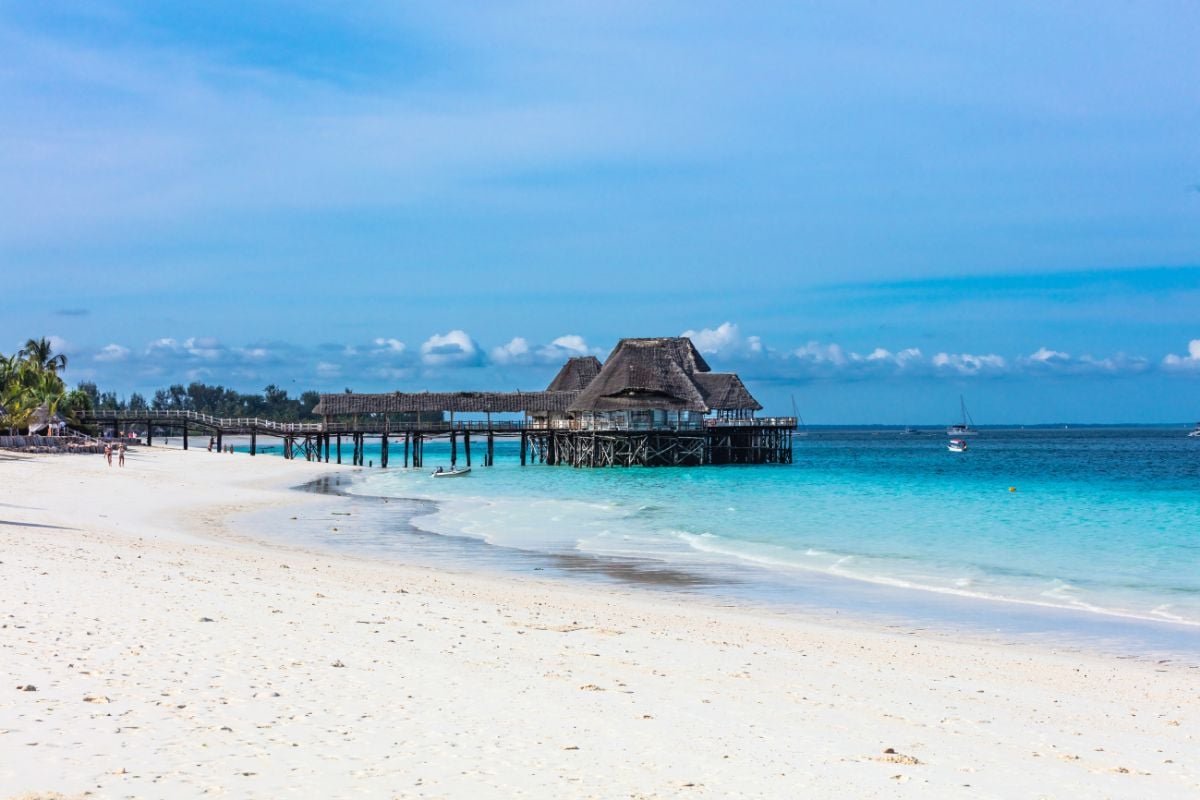
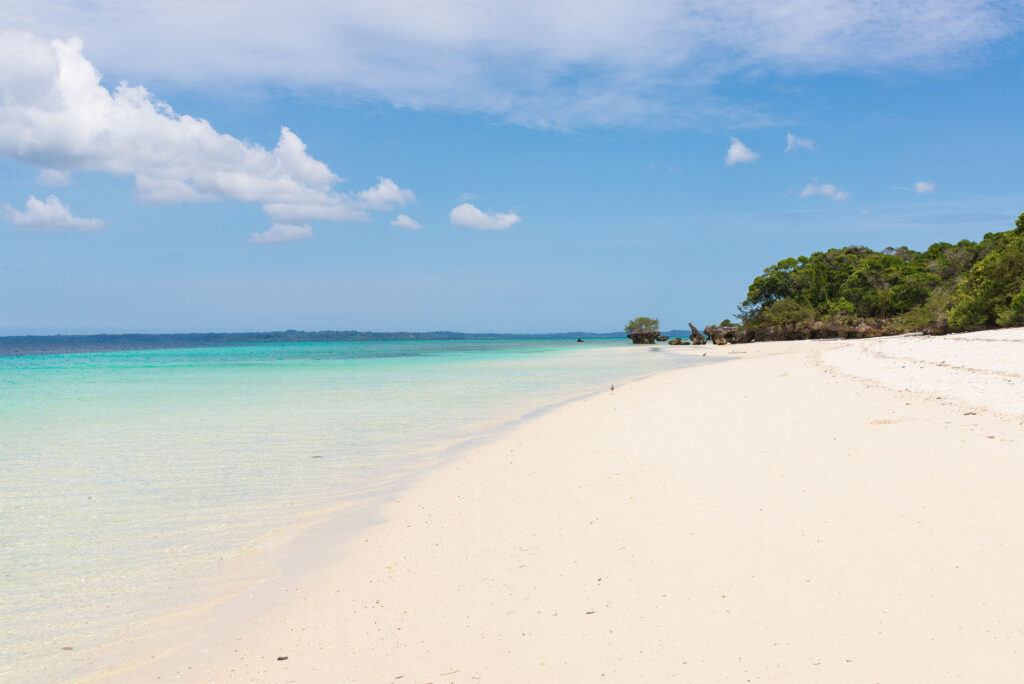
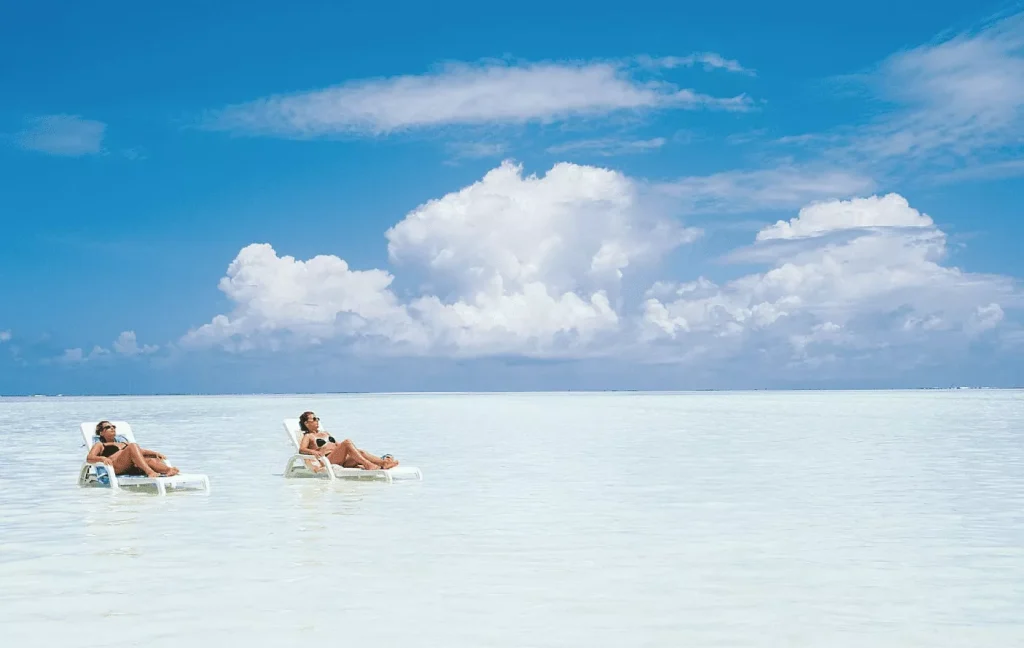
Zanzibar, also called Unguja, is a Tanzanian island that draws many holidaymakers and is famous for its gorgeous beaches. It belongs to the Zanzibar archipelago, as does Pemba, and its beaches rank among the finest on earth. Expect lovely white sand, clear and shallow water and traditional boats drawn up along the shore. How strong the surf is depends on the side of the island you are on.
3. Mount Kilimanjaro
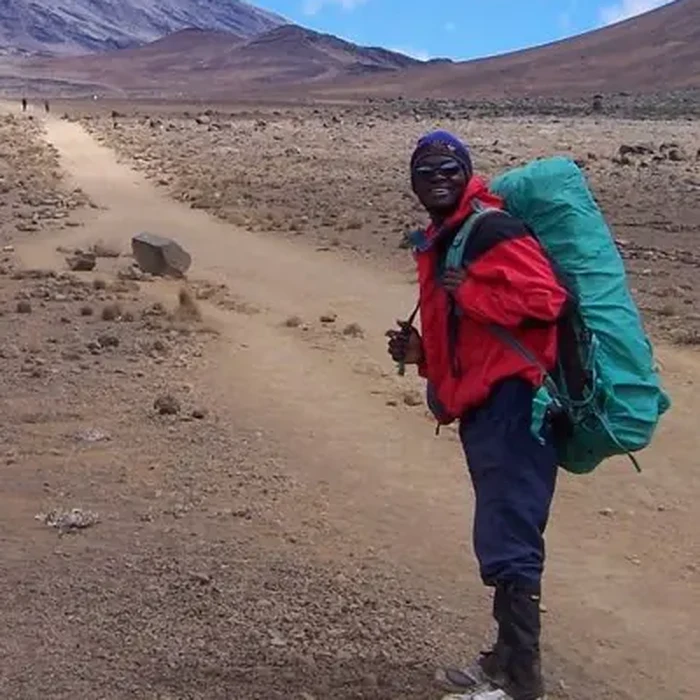
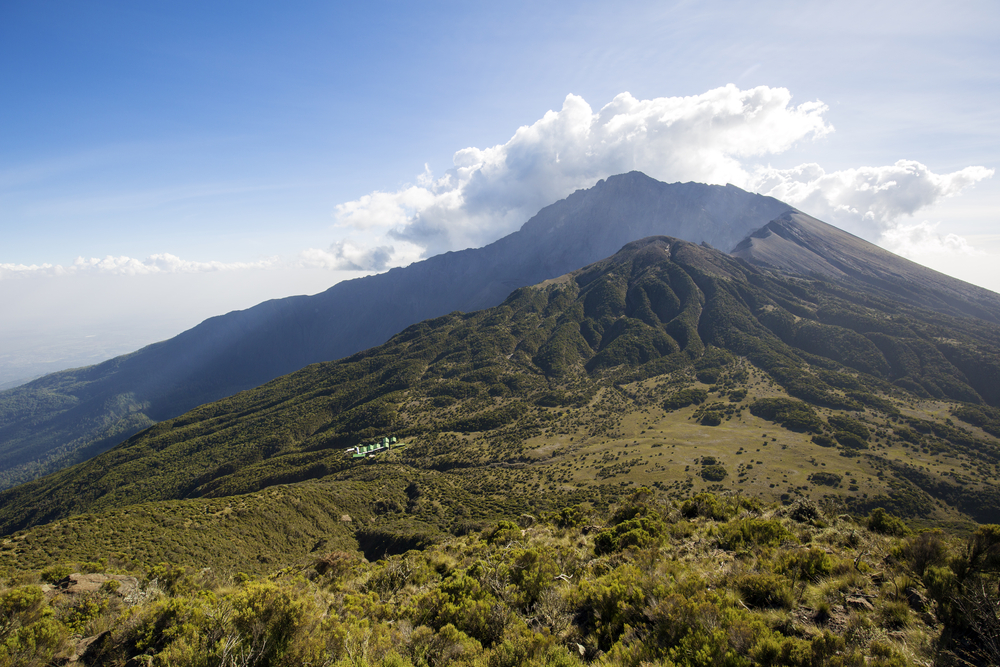
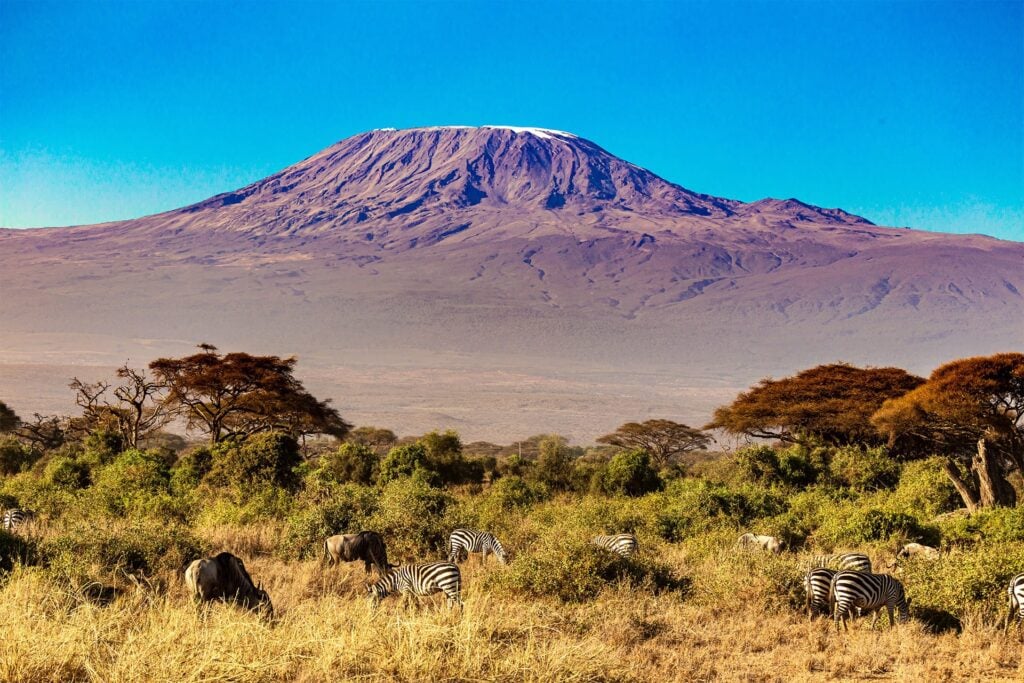
Mount Kilimanjaro (5,895 m), the tallest mountain in Africa, is Tanzania’s most iconic image. In contrast to the other parks in northern Tanzania, Mount Kilimanjaro National Park attracts visitors mainly for the chance to gaze at the beautiful snow-covered mountain and, for many, to try the climb. You can climb Mount Kilimanjaro at any time of year, but the best period is late June to October, when it is dry. Kilimanjaro, a World Heritage Site, was formed more than a million years ago by volcanic activity in the Rift Valley.
Some 750,000 years ago, three volcanic cones took shape: Shira, Kibo and Mawenzi. The highest point is Uhuru Peak on Kibo, which counts as one of the world’s Seven Summits. From the farmland at its foot, the mountain climbs through rainforest and alpine meadow to a moon-like landscape at the top. On the forested slopes you may see elephants, buffalo, monkeys and leopards, while the alpine zone hosts many different birds. In late 2020 the government gave the go-ahead for a cable car on Mount Kilimanjaro, although work has not started. It would take visitors up to 3,700 meters above sea level.
4. Ngorongoro Conservation Area
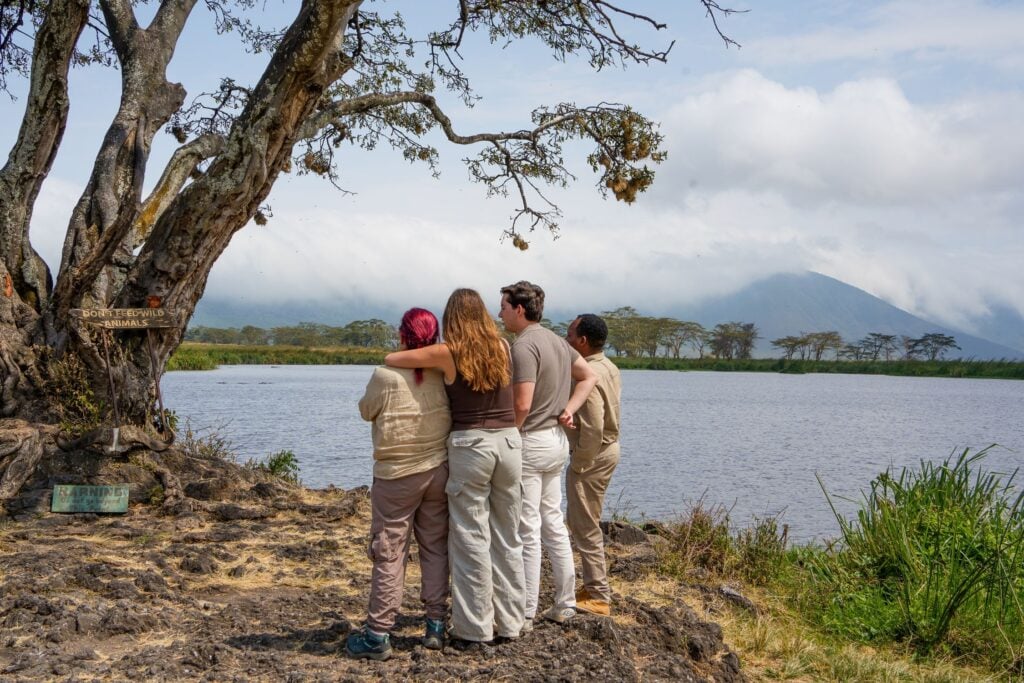
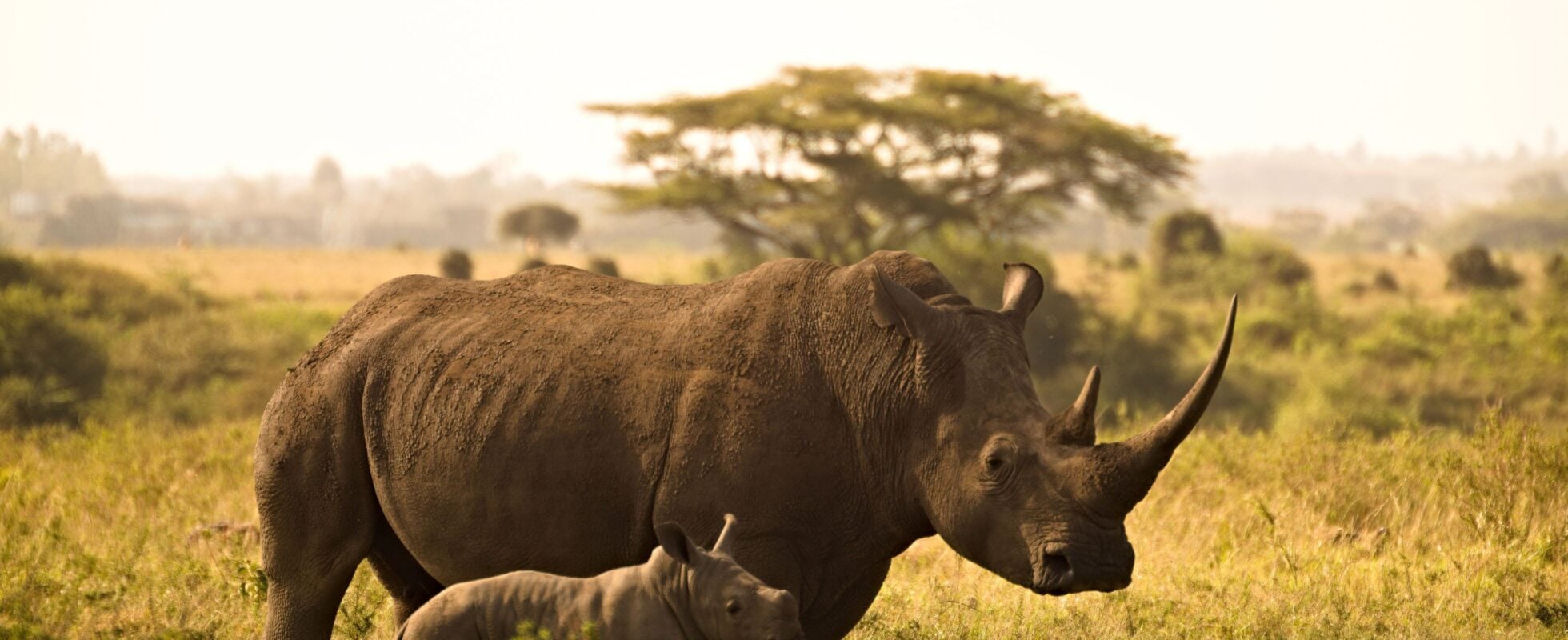
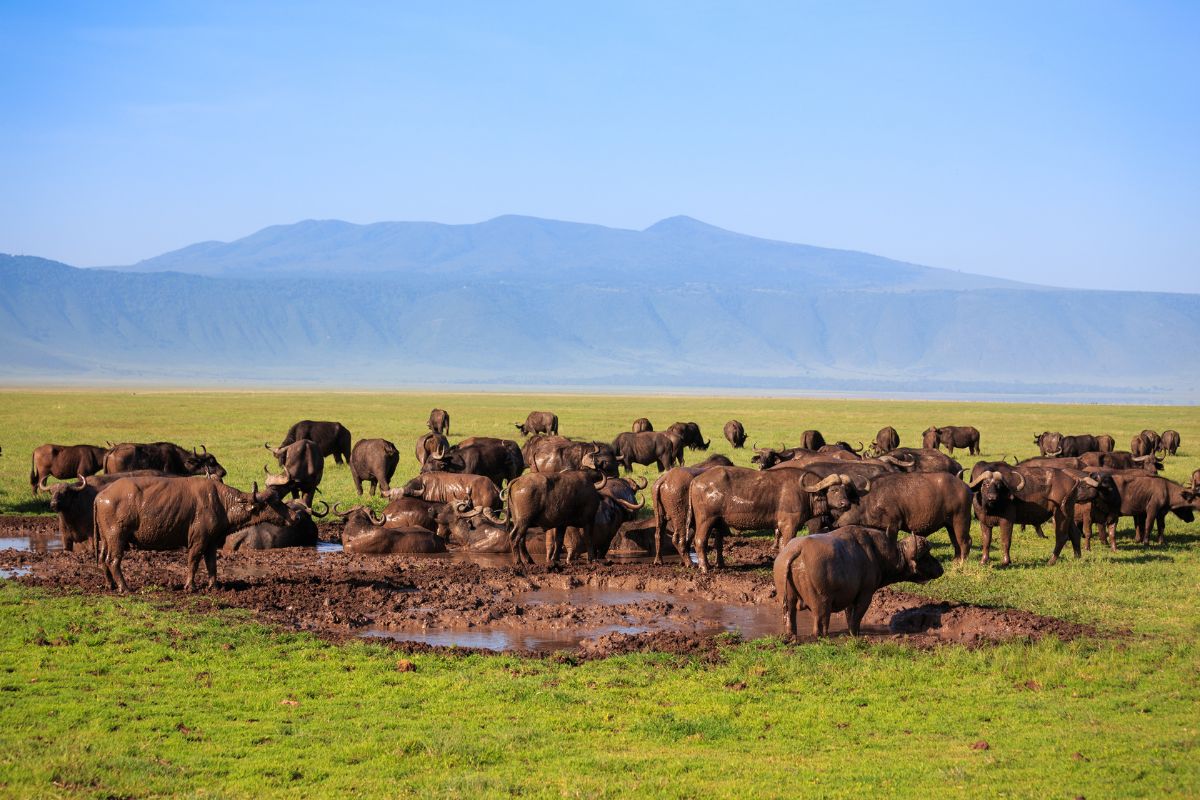
Within the Ngorongoro Conservation Area, one of the most popular wildlife areas in Tanzania, lies the famous volcanic Ngorongoro Crater. You will find it midway between the Serengeti and Lake Manyara. Because this enormous volcanic crater has water all year, many animals settle here and have no reason to migrate. Most visitors come to see large animals and to go birdwatching. Thousands of species such as lions, elephants, rhinos, Thomson’s gazelles and buffalo wander the crater floor, though wildebeest and zebras make up over half of the animals living in the Ngorongoro Crater. Lake Magadi is the top spot for birdwatching, as flocks of flamingos gather in its shallow water. Hippos happily stay underwater during the day and graze on the nearby grass in the evening.
Roughly three million years old, the Ngorongoro Crater is the largest intact ancient caldera in the world. Before its eruption and collapse, the Ngorongoro volcano ranked among the highest mountains on earth. Olduvai Gorge is another fascinating part of the conservation area. Ancient skulls and fragments of bone found at this important archaeological site have taught us a great deal about the earliest human populations. Situated across several fault lines, Olduvai Gorge has revealed ancient human remains and fossils as a result of thousands of years of erosion.
While hunting for butterflies in 1911, a German professor stumbled on fossilised bones in the Olduvai Gorge. On a later expedition, the Leakeys collected bones thought to be about 2 million years old, as well as a skull and parts of one. Further exciting finds include tools and hunting gear from between one and five million years ago, and the famous footprints of a man, woman and infant at Laetoli, near Olduvai. These and other discoveries offer further evidence that at least three hominid species inhabited this area more than two million years ago.
5. Mafia Island
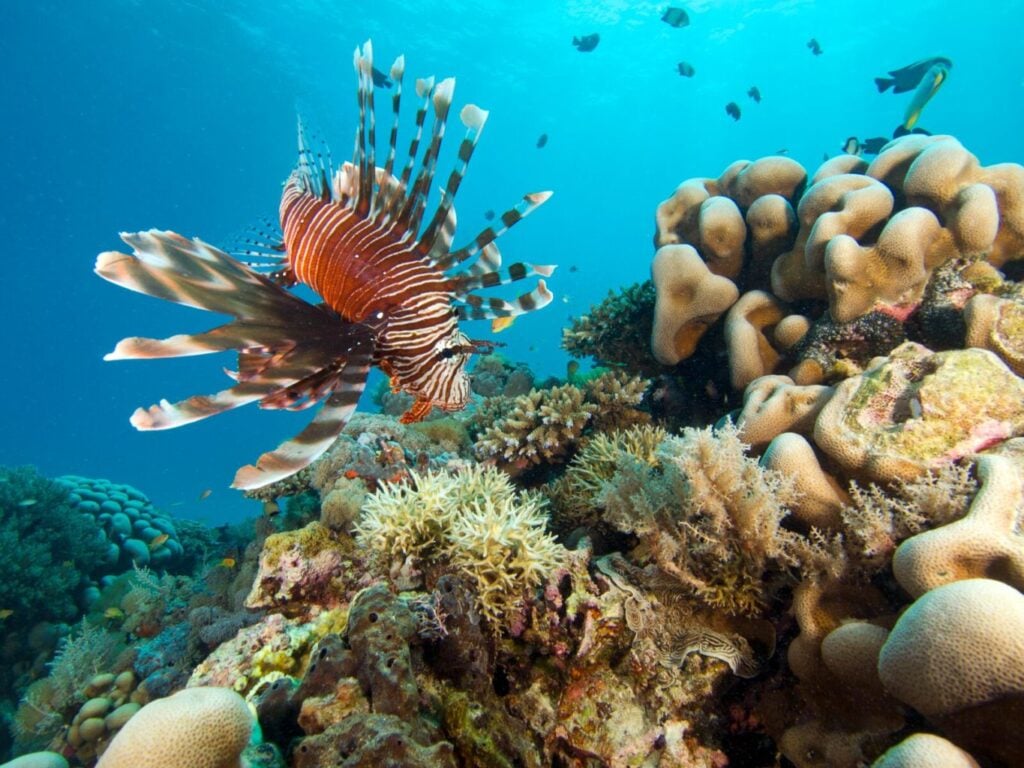
Snorkellers and divers come from around the globe to Mafia Island to discover the underwater world protected by the Mafia Island Marine Park. The weather on Mafia Island is at its best from May to October, but diving conditions peak from October to March. Mafia Island Marine Park offers a great variety of species, remarkable coral gardens and calm conditions for diving. Around 400 fish species live here, along with many kinds of birds. Mafia Island is also a traditional breeding ground of the green turtle, which unfortunately is close to extinction. Deep-sea fishing is popular on Mafia, especially for big-game fish such as tuna, marlin and sailfish.
6. Tarangire National Park
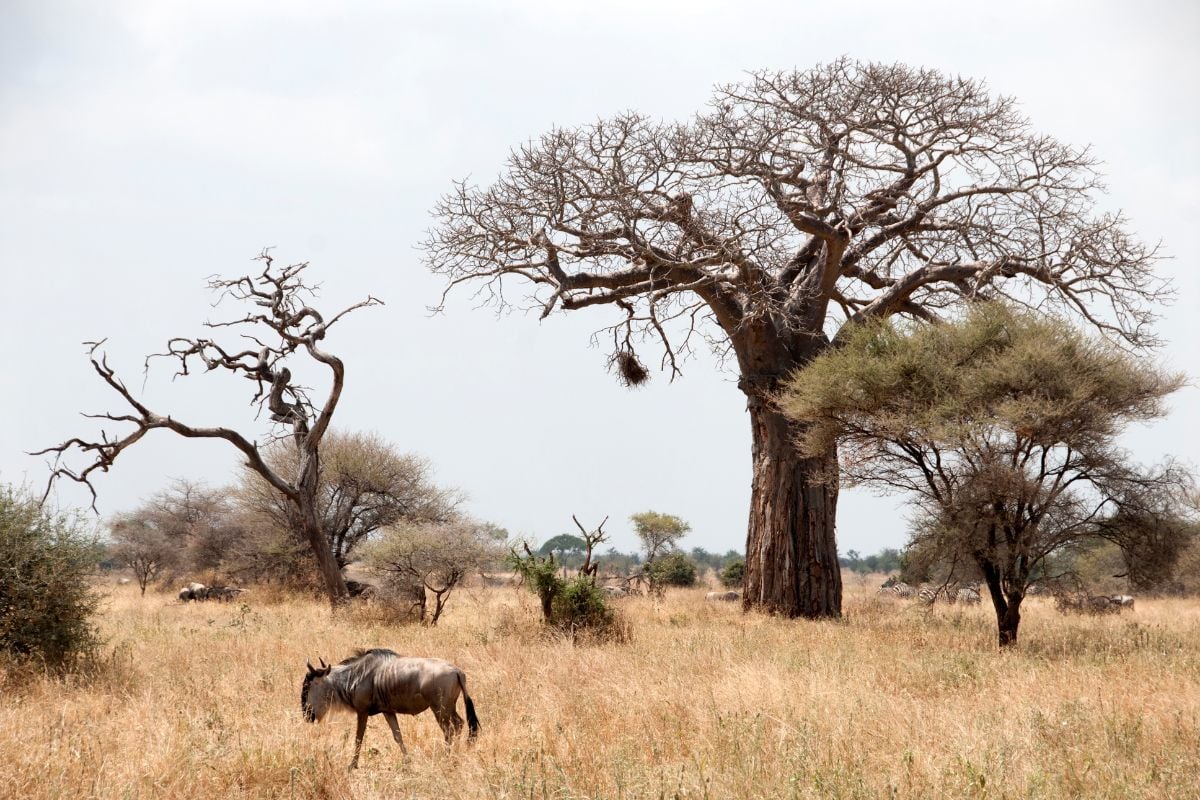
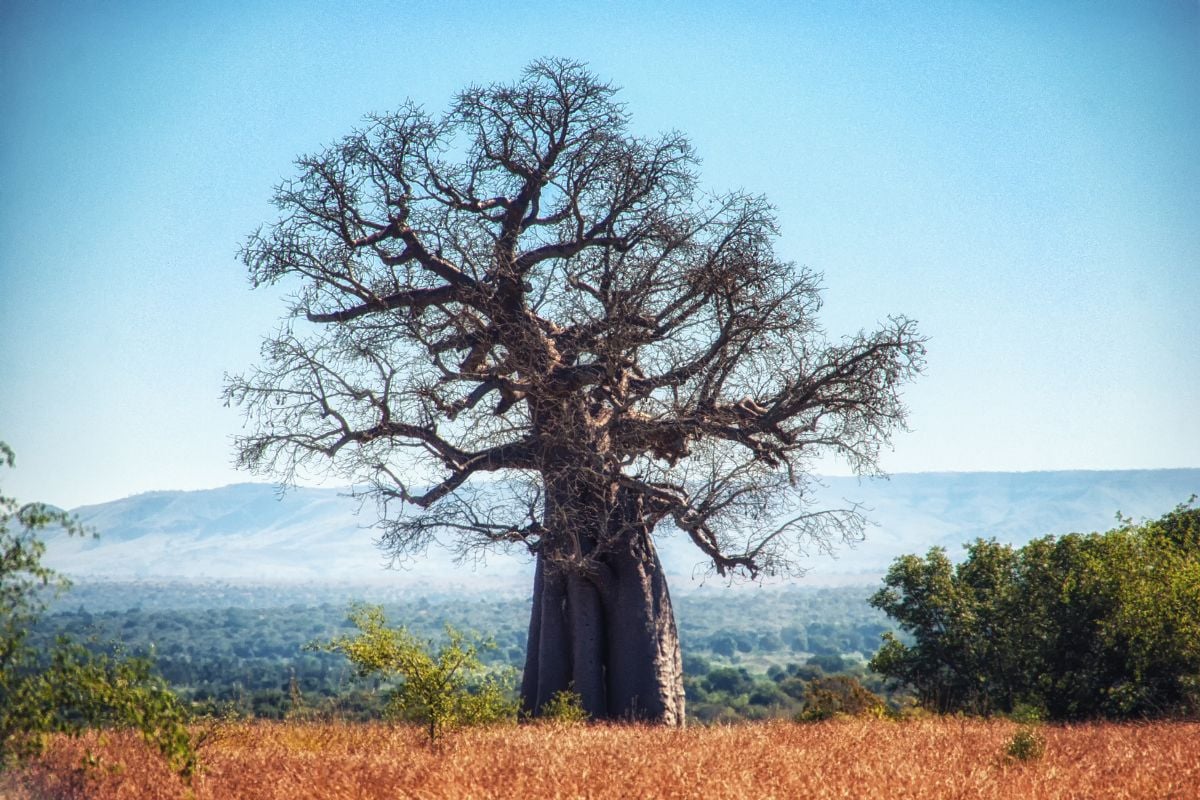
Founded in 1970, Tarangire National Park is a superb place for wildlife viewing. Visit in the dry season, from July to September, when animals gather close to the river. In that season, many migratory animals collect around the lagoons of Tarangire National Park, among them wildebeest, zebra, buffalo, impala, gazelle, hartebeest and eland. The park is also known for its many elephants and for the baobab trees scattered across the green scenery. Over 300 bird species have been recorded in Tarangire, which makes it excellent for birdwatching. Among them are buzzards, vultures, herons, storks, kites, falcons and eagles.
7. Pemba Island
Pemba Island is the northernmost island of the Zanzibar archipelago. Close to Pemba lie several uninhabited islands, where visibility for scuba diving is unrivalled in the Indian Ocean. This underwater paradise features sea fans, coral gardens and brightly coloured sponges. Chake Chake, the main town on Pemba, is a well-known base for divers. With fewer tourists than Zanzibar, Pemba has a more laid-back feel. Mountain bikers in particular are keen to tackle the 1,000-meter peaks, which are rugged and cut by deep valleys. Nearby Misali Island Beach is a place you should not miss, with a gorgeous white sand beach. Pemba is a major global producer of cloves and is known for its juju traditions of healing and magic. People come from all over East Africa to learn from the traditional and voodoo healers or to seek a cure.
8. Lake Manyara National Park
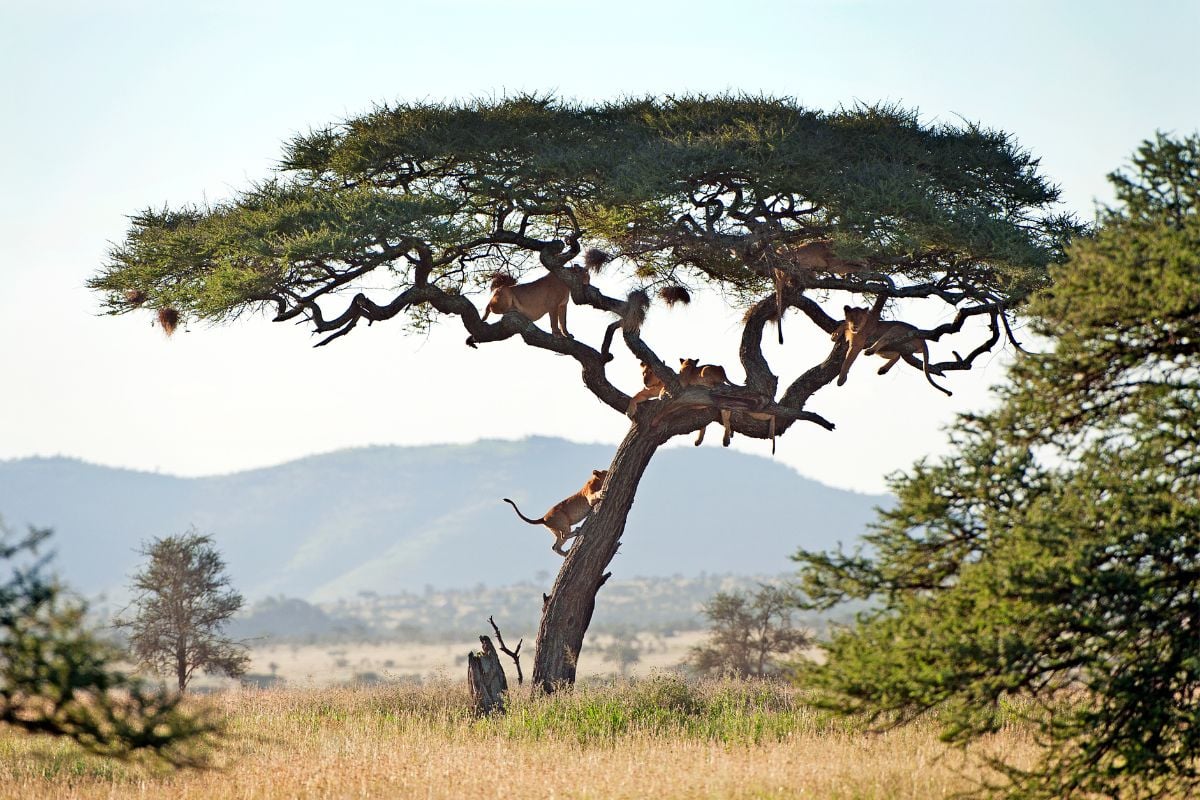
Wetlands, grasslands and forests make up the scenery of Lake Manyara National Park. Water covers two-thirds of the park, and Lake Manyara attracts many kinds of birds, among them thousands of flamingos at certain times of the year. Its key attractions are the large number of elephants, the tree-climbing lions and the hippos, which you can see much closer here than in other parks. This park has the largest baboon population in the world. Popular activities in Lake Manyara National Park are birdwatching, canoeing, mountain bike trips and game drives.
9. Julius Neyere National Park
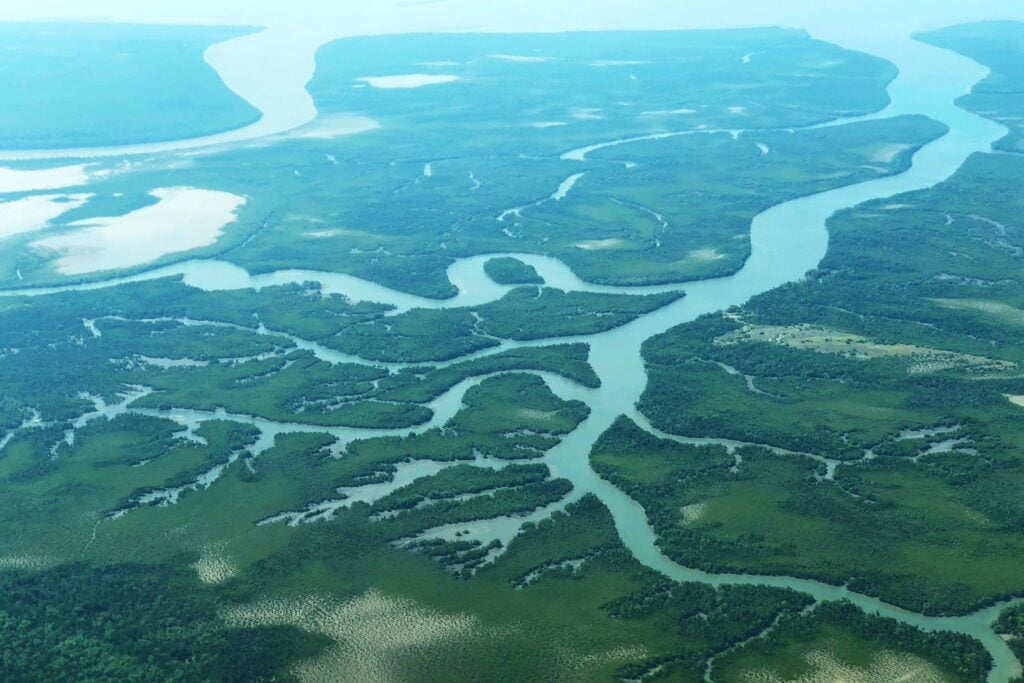
Africa’s largest game reserve is Julius Neyere National Park. Established in 1922, it covers 5% of Tanzania. The southern part is off limits: it is undeveloped, densely forested and full of cliffs. Travellers can only visit the area north of the Rufiji River. In this part of Julius Neyere National Park you will find wide open grasslands, woodland, rivers, hills and plains. The park is split by the Rufiji River, whose catchment area is the largest of any river in East Africa. The river is an important feature of the reserve and gives you the opportunity to see many water-dwelling animals. You can spot elephants, hippos and rhinos, as well as buffalo, antelope, giraffes, warthogs, wildebeest, lions, leopards and cheetahs. Over 350 bird species have been recorded in Julius Neyere National Park.
10. Stone Town
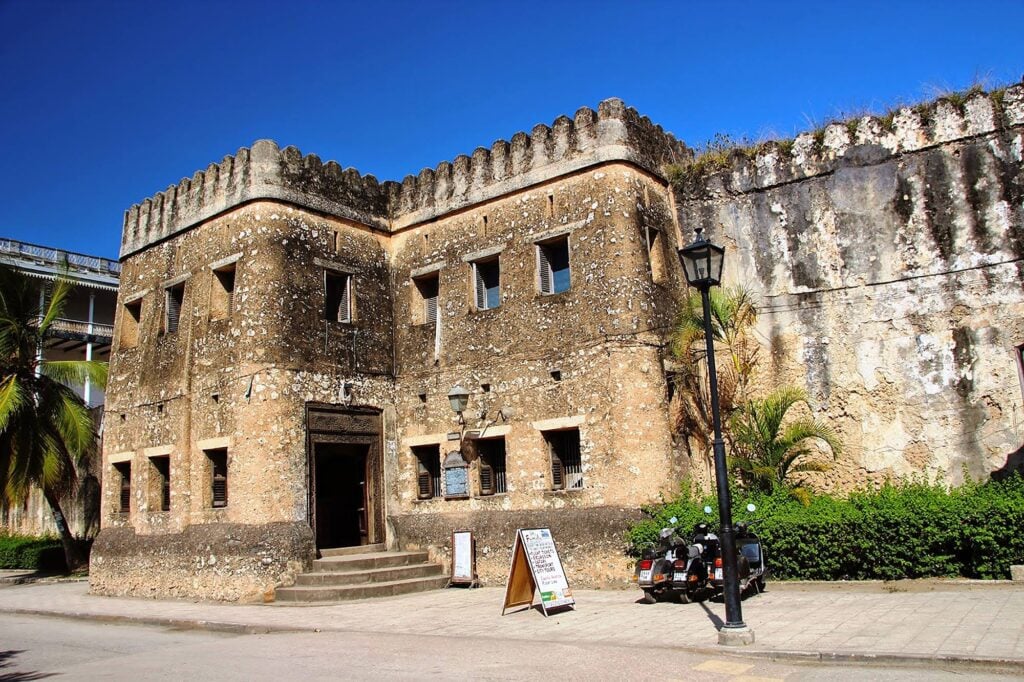
Stone Town, the cultural heart of Zanzibar, has changed little over the last 200 years. Its special charm comes from the stately old Arab mansions along its winding alleys and twisting streets. Most houses in Stone Town were built in the nineteenth century, when Zanzibar was among the most important Swahili trading towns in the Indian Ocean. Visitors can admire the beautifully carved, brass-studded wooden doors found on many of the houses. As the oldest Swahili city in the world to have been lived in without interruption, Stone Town has seen many of its famous landmarks restored to their old glory.
A number of the historic buildings now serve as museums or visitor attractions. Dotted around the town are a few fascinating old churches of historical importance. A walk along Creek Road brings you to the old Stone Town area, where you will find the Darajani Market, Beit el-Amani, City Hall and the Anglican Cathedral. Other key sights include the Forodhani Gardens, the Old Dispensary with its carved wooden balconies, the former sultans’ residence known as Beit el-Sahel or the People’s Palace, the Hamamni Persian Baths built in 1888, and the Old Fort, the oldest building in Stone Town.
11. Lake Victoria
Lake Victoria, Africa’s largest freshwater lake, is bordered by Kenya, Tanzania and Uganda. The lake feeds the White Nile and provides an income for the millions of people living around it. The Tanzanian side of Lake Victoria is among the least visited parts of the country, although the cities of Bukoba, Musoma and Mwanza offer several attractions. Some of the islands near Mwanza and Musoma have become wildlife sanctuaries. Around Lake Victoria you can take boat trips or hikes, or head out birdwatching and fishing. Rubondo Island National Park, on the southwest shore of Lake Victoria, includes several other smaller islands.
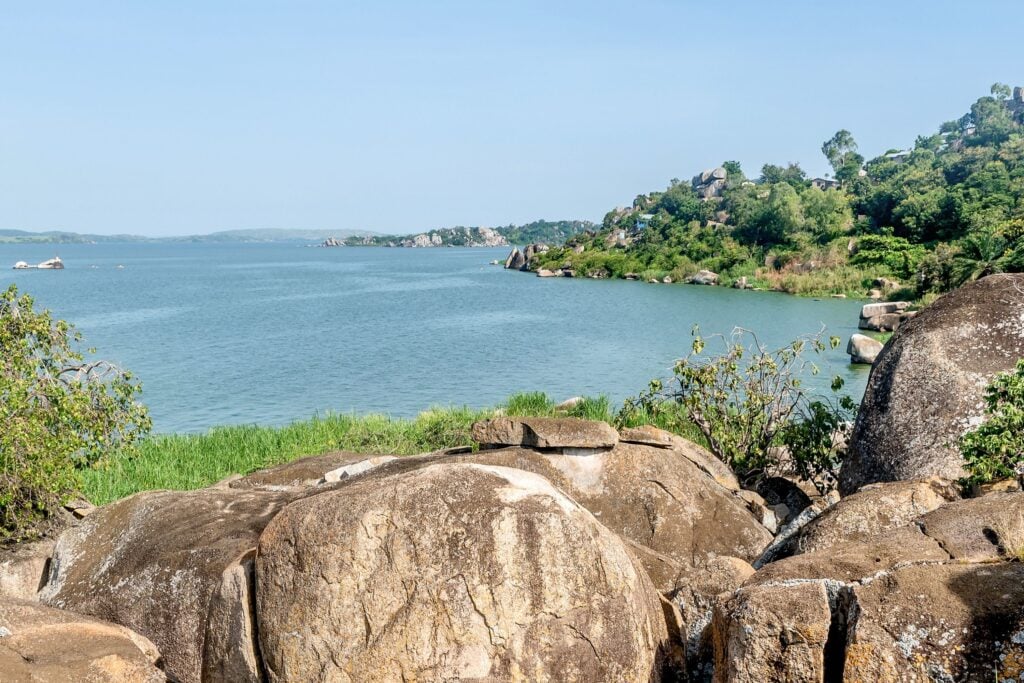
12. Gombe Stream National Park
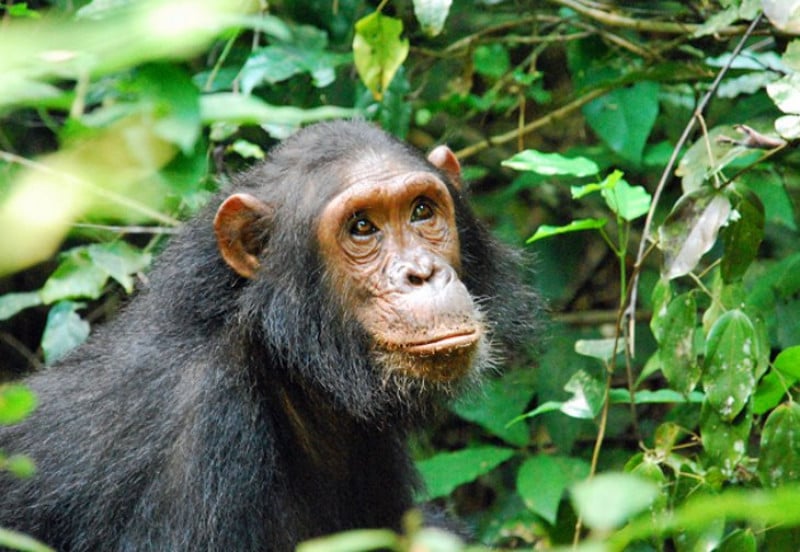
Gombe National Park, also occasionally called Gombe Stream National Park, mainly attracts visitors who want to leave the usual routes behind and watch chimpanzees. One of the smallest national parks in Tanzania, it became famous through the research of Jane Goodall. The British scientist arrived in the country in 1960 to study wild chimpanzees, and her work ultimately grew into the longest-running behavioural research project in the world. On guided walks, visitors head into the forest to watch chimpanzees in their natural environment. Many primates and other animal species live in the park. More than 200 bird species inhabit the tropical forest, among them barbets, starlings, sunbirds, crowned eagles, kingfishers and palm-nut vultures. Hiking and swimming are also popular; one trail leads through the forest to a waterfall in a valley.
13. Katavi National Park
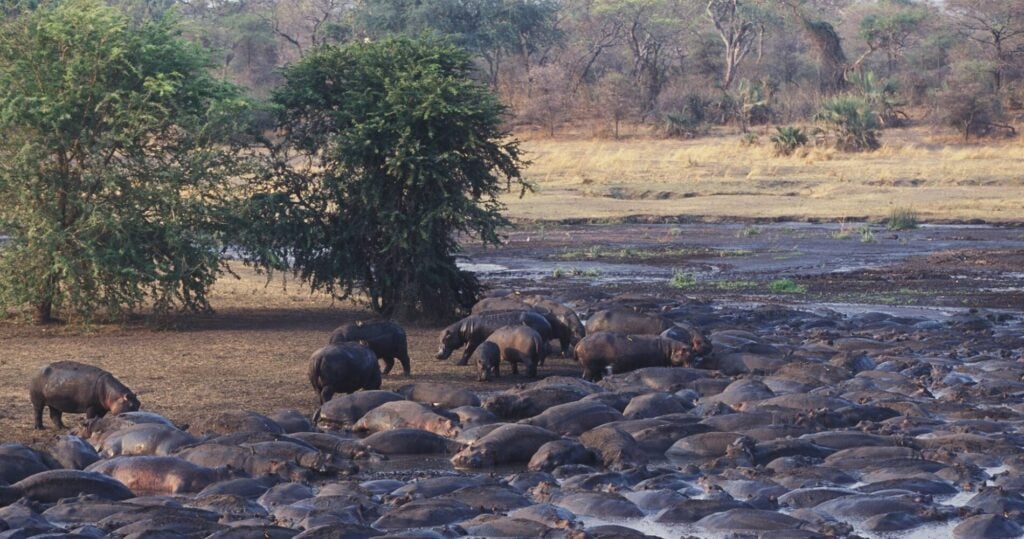
Remote Katavi National Park offers untouched nature. Its defining feature is a huge flood plain, cut through by the Katuma River and several seasonal lakes. In the lakes you can see big groups of hippos, crocodiles and over 400 bird species. A highlight in Katavi is the sight of up to 200 hippos trying to squeeze into one pool towards the end of the dry season. Katavi National Park comes alive in the dry season, when herds of impala, reedbuck, lions, zebras and giraffes gather to drink at the last ponds and streams. As the floods retreat, tens of thousands of elephants and buffalo gather in the park too.
14. Arusha National Park
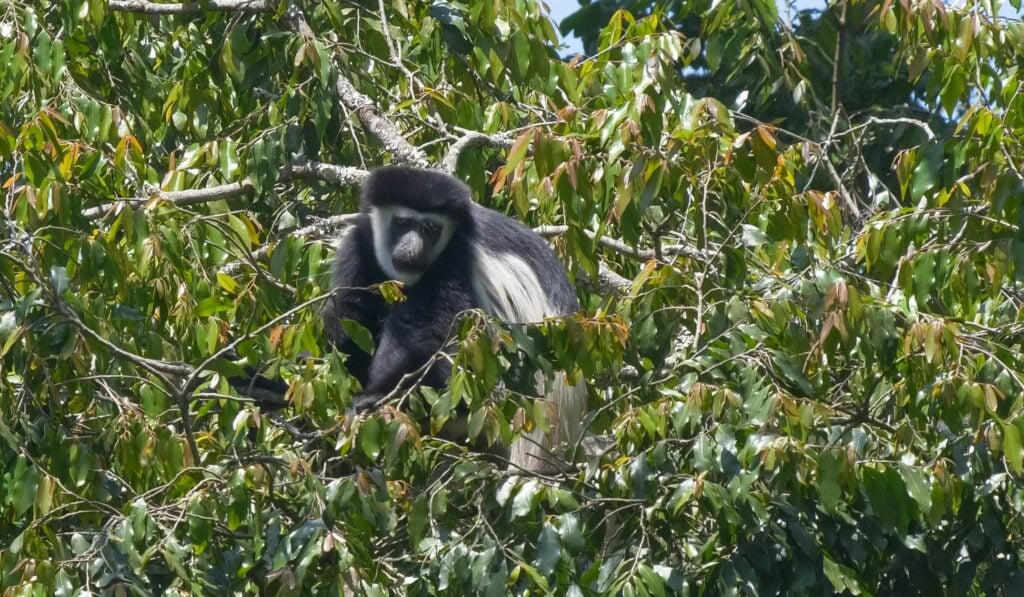
Although it is smaller than other Tanzanian national parks, Arusha offers a range of habitats, from the forest of Mount Meru and the Ngurdoto Crater in the southeast to the Momella Lakes, a group of seven crater lakes. Herds of buffalo, zebra and warthog wander across the marshy crater floor, while black and white Colobus monkeys can be seen in the forest around it. Many resident and migratory waterbirds live at the Momella Lakes. People come here to see the wildlife and to climb Mount Meru, the second-highest mountain in Tanzania and one of Africa’s beautiful volcanoes. A narrow ridge up to the summit gives spectacular views of the volcanic cone, which sits in the crater several thousand feet below. The climb is steep, but the trail also passes through parkland, forest, a wide stretch of heather and moorland.
15. Ruaha National Park
Ruaha National Park, the largest park in Tanzania, was set up in 2008. It has one of the highest elephant densities in Tanzania, as well as huge herds of buffalo and gazelle. The main feature of Ruaha National Park is the Great Ruaha River, whose banks offer spectacular wildlife viewing. Via a hydroelectric plant at Kidatu, the river also supplies a significant part of Tanzania’s electricity. As the least visited park in Tanzania, Ruaha National Park has kept its environment largely untouched. Birdwatchers can enjoy more than 400 bird species that do not occur in northern Tanzania, while photographers are especially attracted by the river, the dramatic gorges and the tall trees.
Frequently Asked Questions
When should you go on safari in Tanzania?
The best time to visit Tanzania is the long dry season, from July to October. During these months, the Great Migration, treks, safaris and beach holidays on Zanzibar are all at their best. July is roughly the busiest month for visiting Tanzania. As the migration heads towards Kenya, elephants gather in Tarangire National Park. In August your chances of seeing the Big Five are higher, as animals start searching for water, which makes their movements easier for guides to predict. Large numbers of flamingos also come to Lake Natron, where they find food and shelter. In September, the final month of the peak season, the migrating herds of wildebeest and zebra move through the Serengeti. Their main obstacle is the Mara River, which runs from Kenya’s Northern Serengeti. Watching herds of wildebeest swim frantically across crocodile-filled water can be thrilling. If the wildebeest population fascinates you, late January is an excellent time to witness the calving season on the Ndutu Plains.
Where Are The Best Beaches In Tanzania?
Tanzania’s finest beaches are on the island of Zanzibar, with incredibly white sand and turquoise water. Among the best are Nungwi Beach, Kendwa Beach and Paje Beach, one of the top kiteboarding beaches on the island. Notable runners-up can be found on Mafia Island and Pemba Island, in particular Misali Island Beach and Utende Beach.
Which town in Tanzania is best for tourism?
Stone Town in Zanzibar ranks among the leading tourist towns in the world. You can chat with the friendly locals, explore the narrow alleys or visit the Old Fort, an impressive historic building that the Omani Arabs built to protect themselves against the Portuguese. At the scenic Forodhani Night Food Market, visitors can enjoy delicious street food. Beautiful Swahili architecture, lively and bustling markets and a stunning ocean view make the town spectacular and one of a kind.
Is Tanzania Worth Visiting?
Tanzania truly has something for every type of traveller. Amazing game reserves full of wildlife, lovely beaches, luxurious accommodation and wonderful culture and food are only some of its attractions.
Our final word on the best things to do in Tanzania
When you travel to Tanzania, it pays to plan everything you would like to do so you get the most out of your trip. While putting together your holiday itinerary, think about including these must-see destinations. Seeing every one of the 15 best things to do in Tanzania on our list will give you a remarkable insight into the country and make your trip truly memorable.