
Katavi National Park is a wilderness that has remained relatively untouched. You will find it in the remote southwest of Tanzania, in an arm of the Rift Valley, where it runs down to the shallows of Lake Rukwa. The park sits on a high flood plain around Lake Katavi, to the south of the Mahale Mountains. Katavi's wilderness counts among the most virgin areas in the country, and it is home to the largest buffalo herds on the planet.


Katavi’s landscape
The landscape of Katavi is dramatic, varied and unique. It is made up of flooded areas with thick reeds and dense waterways, which are home to a large population of around 200 hippos, along with crocodiles and a variety of birds. In the forests to the west, herds of buffalo and elephant move beneath the tree tops. After the rains, seasonal lakes fill up with muddy water, which draws animals from every corner of the park to drink. Among them are the rare roan and sable antelope, a must-see if you want to explore the continent's wilderness on a private safari. Katavi National Park combines excellent game viewing with a genuine wilderness feel, which makes for fantastic photo opportunities!
Wildlife in Katavi National Park
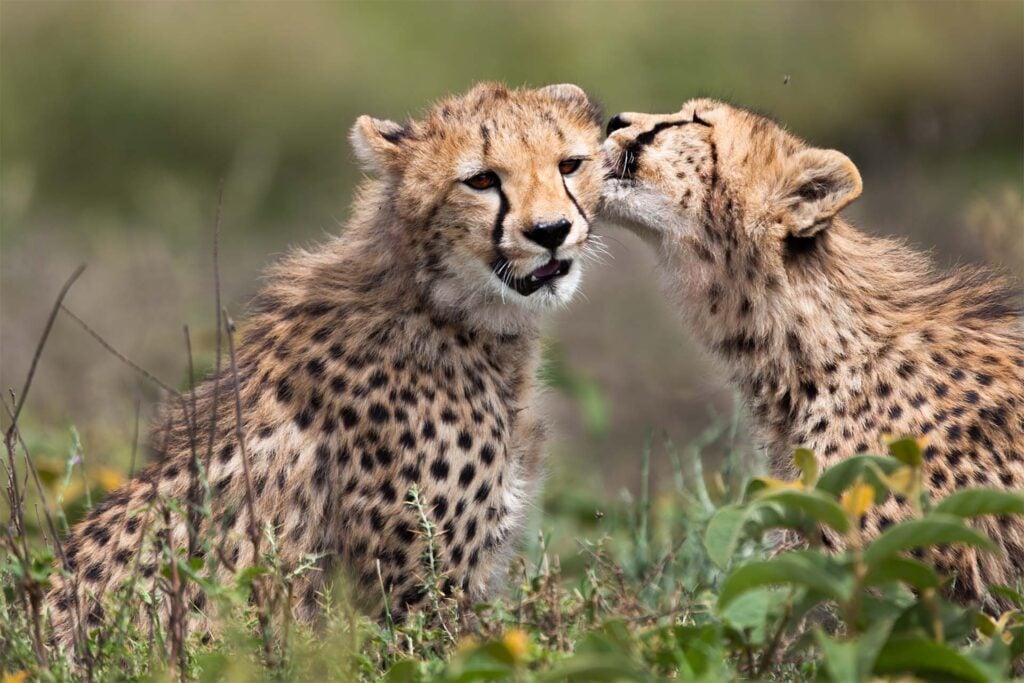
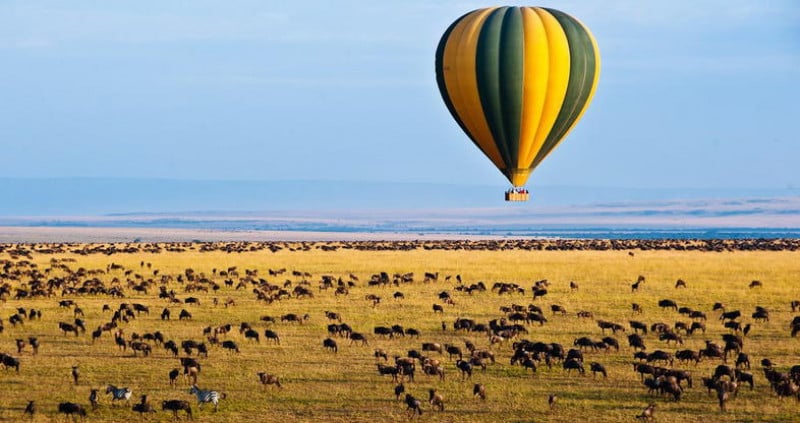
Far off the beaten track, this national park offers wildlife viewing that is still unspoilt! It is home to several large herds of thousands of Cape Buffaloes and to an estimated 4000 elephants. Zebras, wildebeest, giraffes, eland, and sable and roan antelopes also roam the park in abundance, while cheetahs, wild dogs, hyenas, leopards and lions keep a close eye on them, waiting for a chance to hunt.
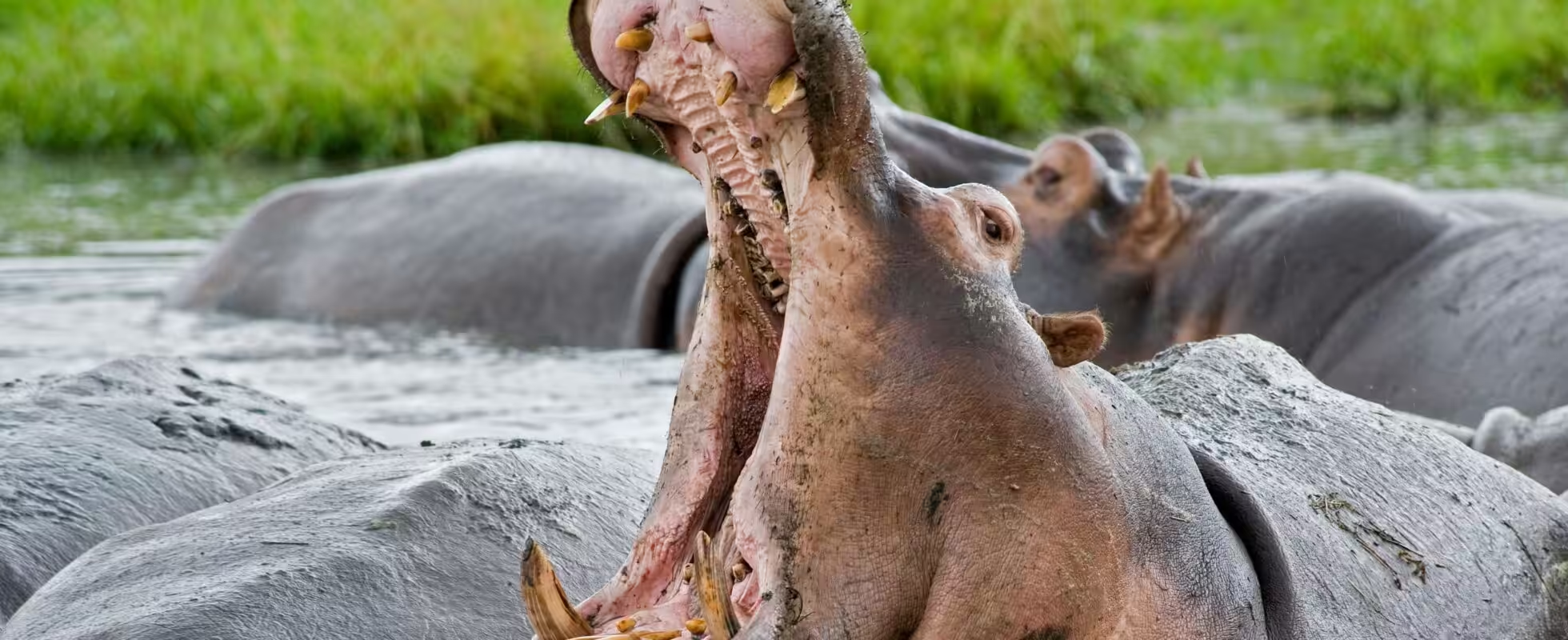
Towards the end of the dry season, the hippos crowd together in any pool that is deep enough. This leads to fights between the males at that time of year, and these territorial clashes happen almost every day!
A wide variety of birds also lives along the riverbanks. Altogether, 450 different species are found in Katavi National Park.
Excursions and activities in and around Katavi National Park
Close to Katavi, on the shores of Lake Tanganyika and south of Kigoma, lies Mahale national park. It is well known as a place to meet the endangered chimpanzees face to face, and it is well worth combining with your trip!
Travel time to Katavi National Park
Because of its location, the park is hard to reach by jeep, so we recommend flying in; flights leave from various places in the country.
Kigoma – Katavi: 5 hrs drive
Mbeya – Katavi: 9 hrs drive
Our experts' travel tips for Katavi
I'm Michael, and I have worked as a guide at Katavi National Park for 12 years. The huge numbers of elephants they see here always impress our guests. Still, the hippos are the main attraction, particularly when the water is low and they fight over every last inch of the water holes! Some guests spend hours here taking photos.
How long to stay? At least 2 days
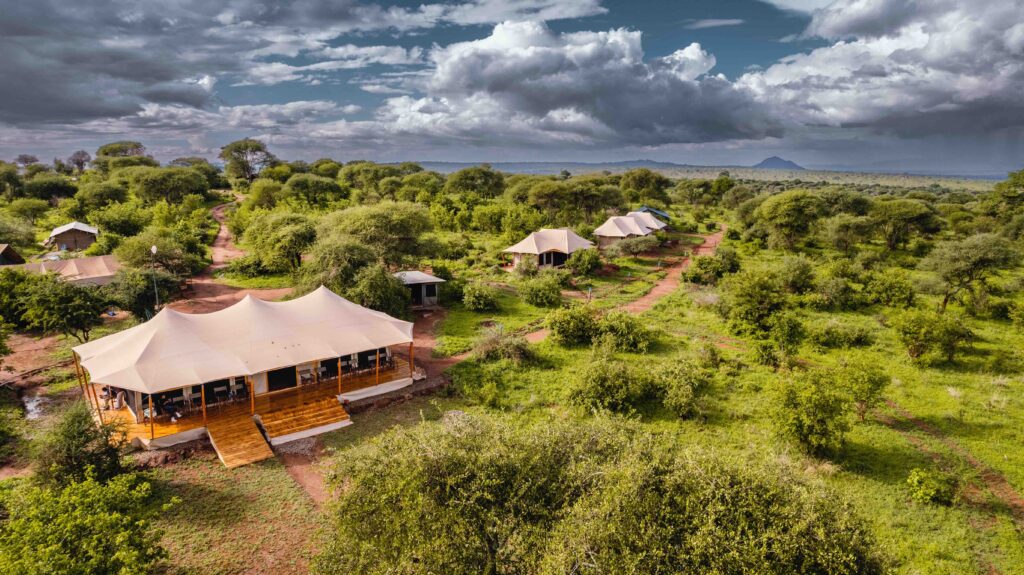
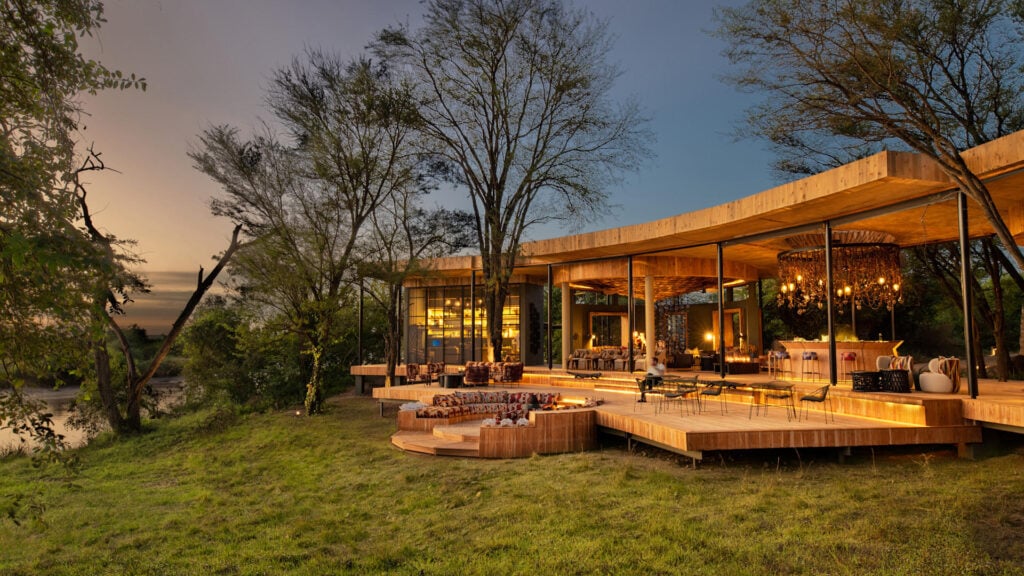
Where to stay? Katavi Wildlife Camp sits on the Katisunga plain. From the veranda of your tent or the upper viewing lounge you get a great view of the wildlife, and you might even witness predators on the hunt!
Best time to visit Katavi
You can visit Katavi National Park at any time of year. From June to October and from December to February, the animals gather around the water holes that remain and are easy to reach. In the rainy season, the vast wetlands provide splendid scenery for adventurous visitors.
Information and facts
Katavi National Park is real wilderness. The few intrepid travellers who get there enjoy a thrilling taste of Tanzania as it must have been a century ago. With the largest herds of buffalo on the planet, Katavi National Park remains a relatively untouched paradise.
Most common animals
- Hippos
- Crocodiles
- Cape Buffaloes
- Elephants
- Zebras
- Wildebeest
- Giraffes
- Eland
- Sable and roan antelopes
- Cheetahs
- Wild dogs
- Hyenas
- Leopards
- Lions
Facts about Katavi National Park
- Remote and untouched wilderness
- Huge population of around 200 hippos
- Herds thousands of buffalo and elephant
- Seasonal lakes with hippos
- Fantastic photographic opportunities
Katavi highlights
- Area of 4,471 km²
- Declared National Park in 1997
- The name comes from “Katabi”, a well-known local hunter