15 November 2026
You will see many percentages online about how many people reach the summit of Kilimanjaro. Reliable, independent statistics are hard to find, so we are careful with numbers. What is clear is the pattern.
Longer climbs work better
Climbers on short programmes (five or six days) turn back more often than climbers on seven, eight or nine days. The reason is acclimatisation: your body needs time to adapt to lower oxygen levels.
Profile matters too
Routes with a "climb high, sleep low" day, like Machame and Lemosho (via Lava Tower to Barranco), give your body a useful stimulus. Routes that gain height quickly, such as Umbwe, are harder on the body.
What else influences your chance
- Pace. Walking slowly from day one.
- Hydration and eating. Even when you have no appetite.
- Sleep. Rest days and good tents help.
- Your guide. Daily health checks and good judgement.
- Weather. Heavy snow or wind on summit night occasionally stops groups.
Be wary of guarantees
No honest operator can guarantee you will reach the summit. Very high percentages in advertising are worth questioning: ask how they are measured.
Our approach
We recommend at least seven days, preferably eight on Lemosho or nine on the Northern Circuit. Guides from our partner check every climber twice a day. See Which route is right for you? and plan your climb.
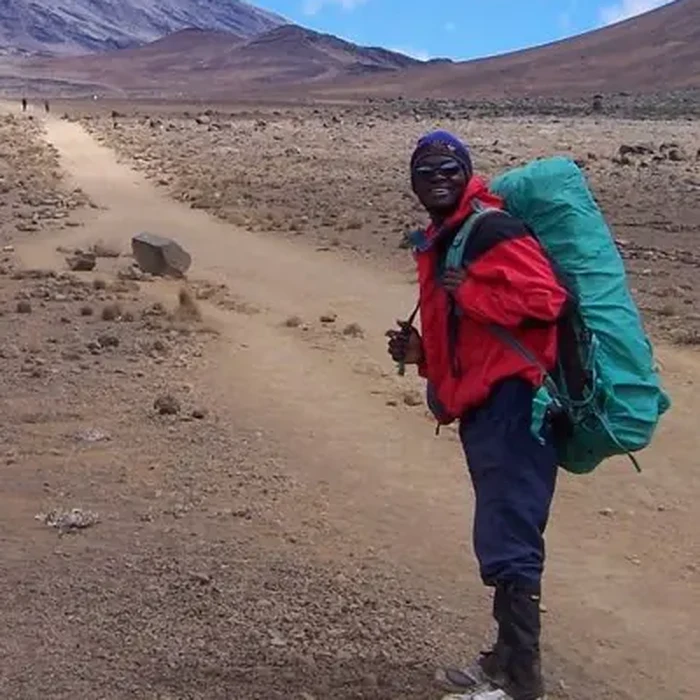
Cover photo: Nichika Sakurai on Unsplash (Unsplash License). Illustrative photo; see our photo credits.