15 November 2026
Many people are surprised by how well you eat on Kilimanjaro. The cook and crew prepare everything in a small kitchen tent, often with fresh ingredients brought up from below.
A typical day
- Wake-up: tea or coffee in your tent, plus a bowl of hot water for washing.
- Breakfast: porridge, eggs, toast, sausages or pancakes, and fresh fruit.
- Lunch: sometimes a hot lunch in camp, on longer days a packed lunch with sandwiches, fruit and biscuits.
- Afternoon tea: popcorn or biscuits with tea or hot chocolate when you arrive in camp.
- Dinner: soup to start, followed by rice, pasta or potatoes with vegetables and a sauce, meat or fish.
Why you need to eat
At altitude many people lose their appetite. Still, your body needs energy. Soups are especially useful, as they also help with fluids. Bring snacks you really like for summit night.
Water
Water is collected from streams and boiled or treated by the crew. Bring two or three litre bottles or a hydration bladder.
Dietary needs
Vegetarian, vegan, gluten-free and lactose-free diets can be arranged if you let us know in advance. Severe allergies need careful planning; tell us early. See also vegetarian, vegan and gluten-free in Tanzania.
Small comforts
A warm drink in the mess tent at sunset, with the cloud layer below you, is one of the quiet highlights of a climb.
Plan your climb and tell us your dietary wishes.
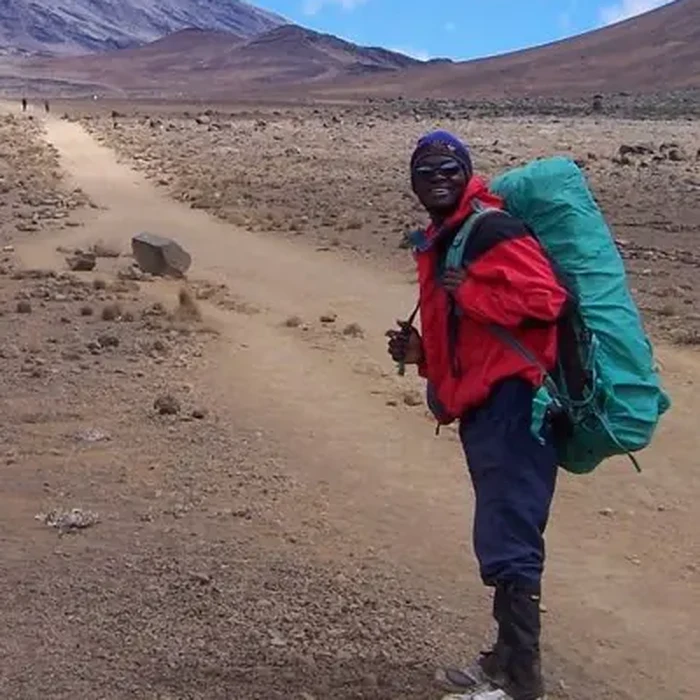
Cover photo: Md Shahin on Unsplash (Unsplash License). Illustrative photo; see our photo credits.