16 May 2023
Thinking about scuba diving in Zanzibar? Lying in the Indian Ocean just off the coasts of Kenya and Tanzania, this tropical archipelago has some of the world's loveliest, most idyllic beaches and dive sites.
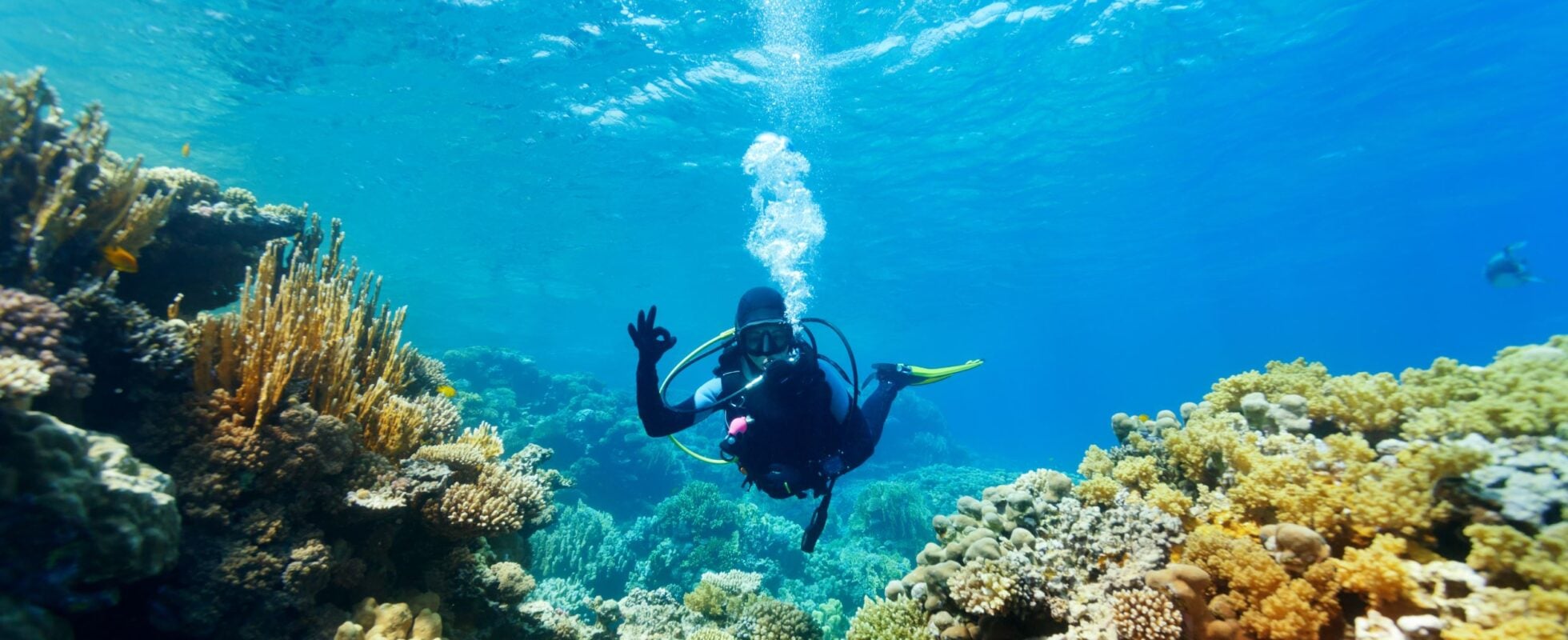
In Zanzibar you'll find beauty above the sparkling water as well as beneath it, with a number of local dive sites offering plentiful coral reefs and a rich mix of sea life – more than 500 species of marine life in total.
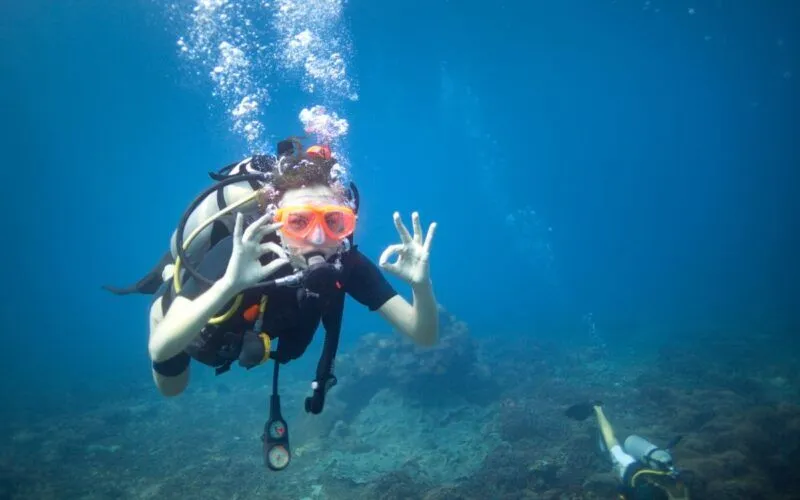
Zanzibar has over thirty dive sites – covering both reef exploration and wreck diving – so there is something for everyone, whether you are a snorkeler or a deep diver.
So below, we'll go through a selection of the best places for scuba diving in Zanzibar, and we'll also look at the ideal time of year to dive. Let’s begin.
The best time of year for scuba diving in Zanzibar
For scuba diving in Zanzibar when conditions are at their most stable, October, November, March and April are the best months to choose.
During these months the winds are usually light and aren’t strong, and the sea is calm, which gives you the clearest possible visibility underwater.
December and January make up Zanzibar's windy season. The strong winds at this time can reduce visibility, restrict how much you can explore or even lead to your dive being cancelled altogether.
Keep in mind, though, that Zanzibar's rainy season starts in April, and this may have an effect on your dives.
With that covered, let’s move on to some of the finest dive sites you can visit on your Zanzibar holiday!
Kungui Dive Site
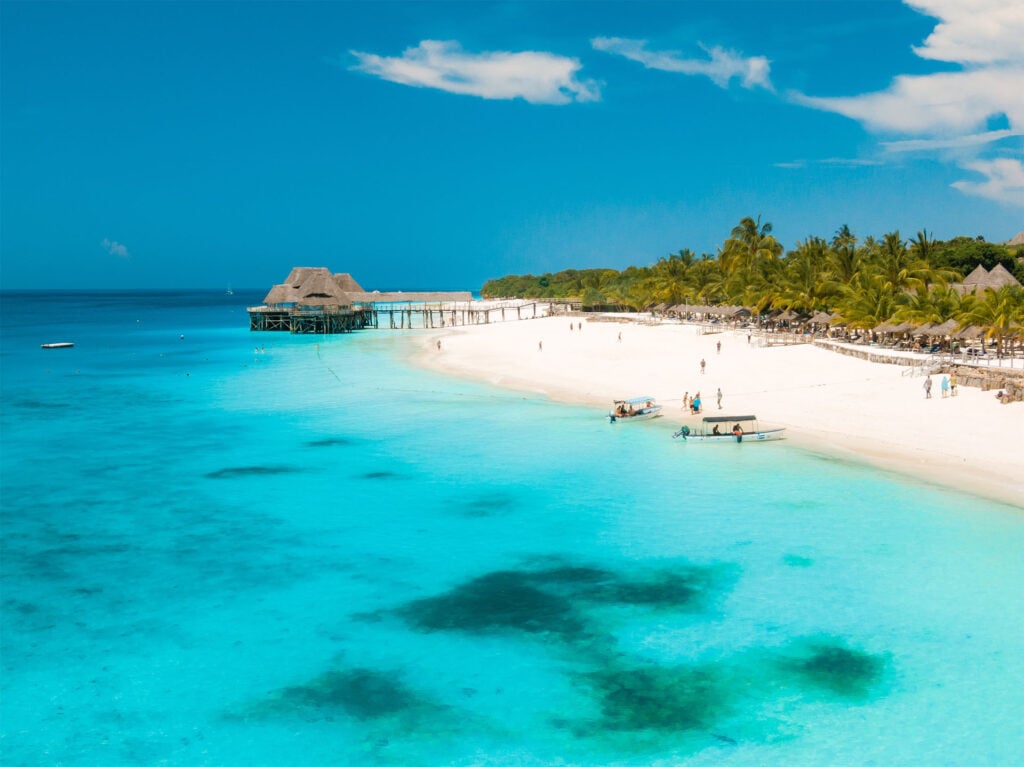
In the south of Zanzibar – in the Kizimkazi area, to be precise – lies the Kungui scuba dive site, which is a popular spot with visitors mainly because it gives you the chance to swim with dolphins.
It is roughly thirty minutes from Zanzibar by boat and suits divers of every level, from beginner to intermediate to advanced.
In its shallower section there is a coral garden at a depth of about 20 meters, after which the site drops away steeply.
Beginners will enjoy the shallow section, while the drop-off wall is ideal for more advanced divers.
Kungui has a wide range of creatures to look out for, including octopuses, stingrays, turtles and many types of fish – scorpion fish among them.
Tumbatu Island
In northern Zanzibar you'll find Tumbatu Island, which has three distinct dive sites: Mwana, Shetani and Popobawa.
Each of them has some of the loveliest coral gardens in Zanzibar, with a mix of soft and hard corals.
At these sites the reef starts at roughly 3 meters and goes down to around 12 meters, so it works well for beginner divers and snorkelers alike.
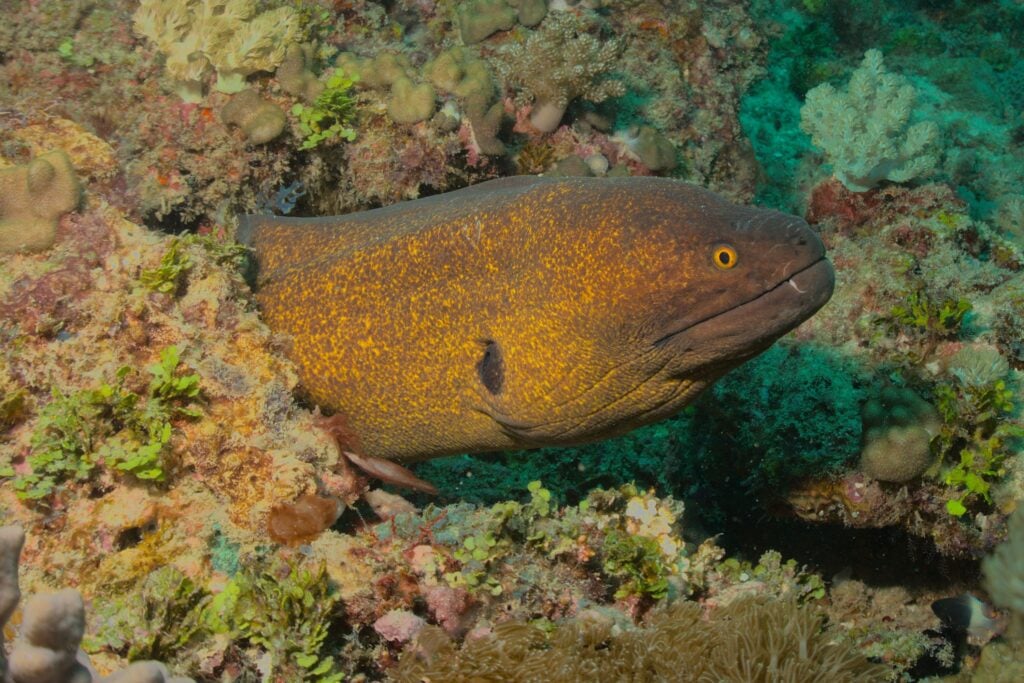
Across the dive sites around Tumbatu Island you can see turtles, leaf fish, scorpion fish, nudibranchs, moray eels and octopuses.
Mwana Wa Mwana
Just northwest of Tumbatu Island you’ll come across Mwana Wa Mwana, a dive spot with an unusual name that suits divers of every experience level.
Mwana Wa Mwana is a coral garden laid out in terraces, beginning in shallow water at just 3 meters deep. From there the reef gradually slopes down to 12 meters.
Beyond that is a sandy bottom that keeps sloping until it reaches 18 meters.
At Mwana Wa Mwana you may come across stingrays, cuttlefish, nudibranchs, sea turtles, seahorses and other sea creatures.
Ras Misikitini
Ras Miskitini, also located northwest of Tumbatu Island, is a small coral wall with two levels of depth.
It begins at roughly 5 meters and drops to 12 meters. You’ll come across a few coral bommies before the slope eases down to about 20 meters.
The marine life here is varied and includes leaf scorpion fish, sea turtles, Spotwing flying gurnard and others.
Three Turtles
Three Turtles lies below both Mwana Wa Mwana and Ras Misikitini, to the west of Tumbatu Island. Like Ras Miskitini, it is a small coral reef wall.
It isn’t as deep as Ras Miskitini, however: the first drop goes from 3 to 12 meters, followed by a sloping descent down to 16 meters.
Three Turtles is known for its bright, vivid coral, which makes it a memorable dive for snorkelers and divers alike.
At Three Turtles you'll find plenty of reef fish, along with sea turtles, scorpion fish, octopuses and stingrays, among others.
Mnemba Island
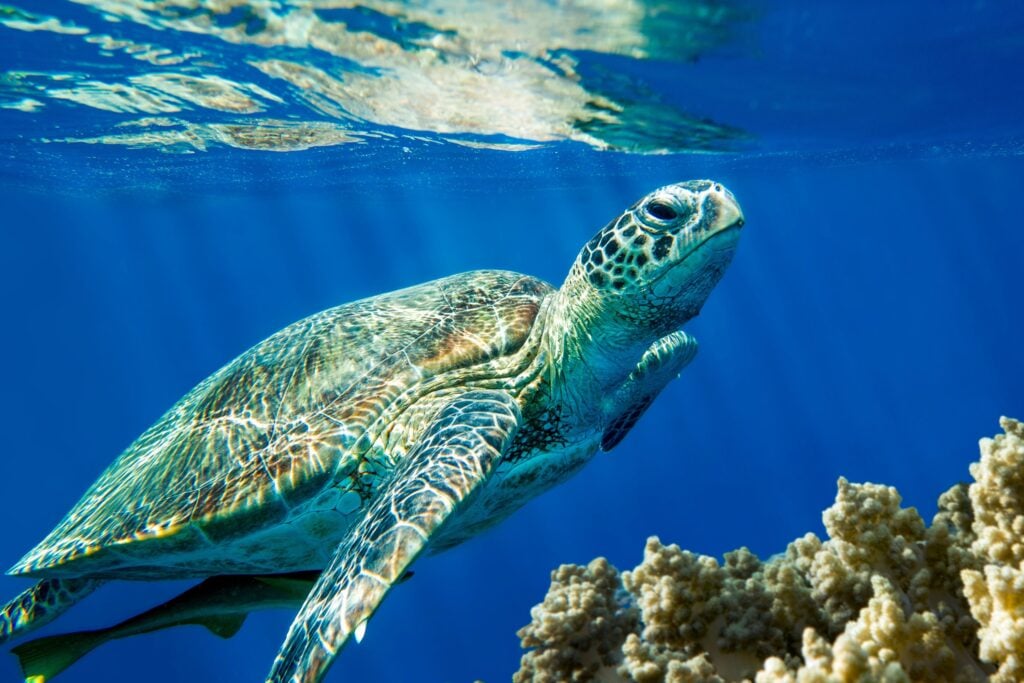
Lying in the northeast and very close to the main island, Mnemba Island is widely considered home to some of Zanzibar's very best dive sites.
Mnemba Island has several dive sites, with Big Wall, Kichwani and Wattabomie among the most popular.
Big Wall
With a considerable depth of 18 meters to over 35 meters, Big Wall is more suitable for intermediate to advanced divers.
The Big Wall reef is a vertical wall out in the open sea, which, together with the strength of the current, makes it a better option for more experienced divers.
Big Wall doesn’t have a lot of coral, but it does have lots of overhangs and caves that are ideal for exploring.
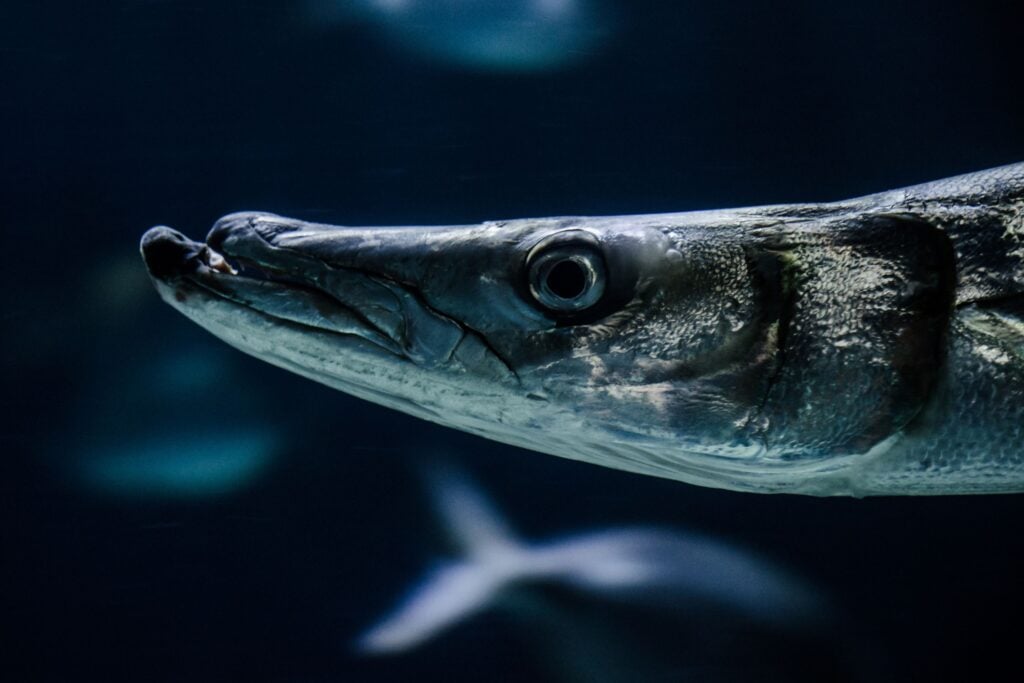
Sea life you'll commonly see includes lobsters, rainbow runners, Napoleon wrasses, bigeyes, barracudas, groupers and tunas. Less frequent sightings include white tip reef sharks and stingrays.
Kichwani
Among the dive sites around Mnemba Island, Kichwani is regarded as one of the prettier ones, and it suits a range of experience levels.
This sloping reef wall goes from 2 to 30 meters deep and is covered in hard and soft corals that are home to a wide range of marine life.
You can expect schools of brightly coloured reed fish, trigger fish, moray eels, napoleon wrasses, scorpion fish, leaf fish and plenty more (with the odd white tip reef shark as well).
Thanks to a gentle current, you can also drift along the wall safely.
Wattabomie
Wattabomie is another dive that suits all experience levels. It is a coral reef on the southern side of Mnemba Island, with depths of roughly 6 to 30 meters.
Its gentle slope makes it ideal for a more relaxed dive. What makes the bottom of the reef unusual is its mix of lovely plate coral and remarkable bommie coral formations.
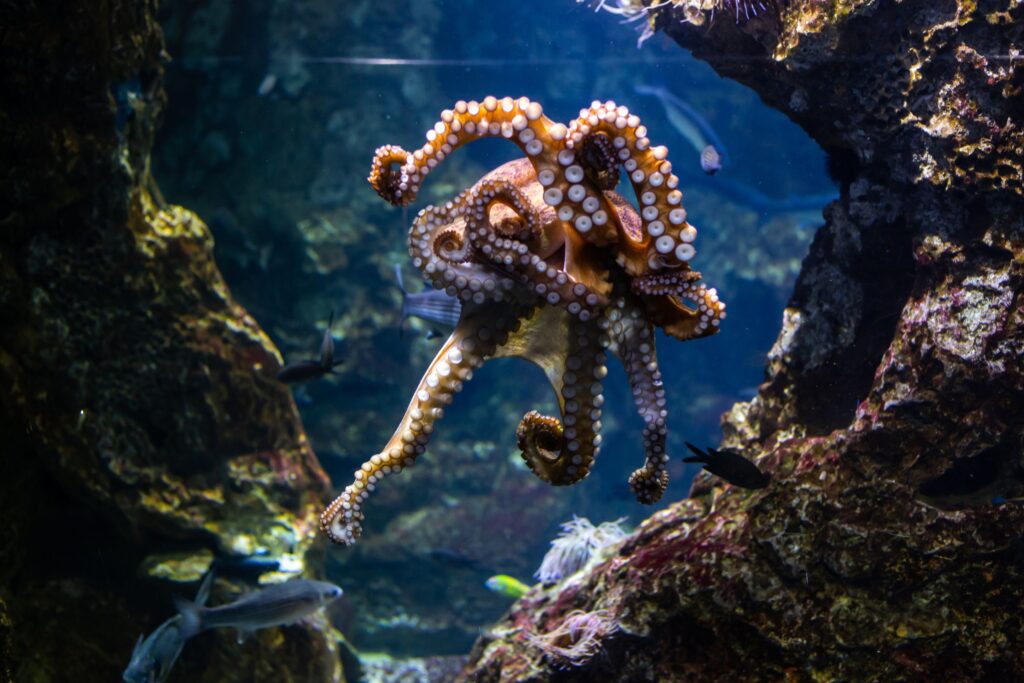
The area is home to a variety of tropical reef fish, plus barracudas, Indian Ocean walkmen, octopuses, snappers, mantishrimps, groupers, king fish and more.
Now and then you can even see green turtles and bottlenose dolphins!
Magic Reef Dive Site
Among the dive sites in northern Zanzibar, the Magic Reef is a favourite with underwater photographers thanks to its lovely scenery.
Ranging from 12 to 20 meters deep, the reef is ideal if seeing a wide variety of marine life is your main interest.
If you dive the Magic Reef, the fish and sea life you'll see include crocodile fish, mantis shrimp, cleaner shrimp, turtles, octopuses, frog fish, seahorses and more.
Leven Bank
In the far north of Zanzibar lies Leven Bank, another dive site best left to experienced and advanced divers because it sits in the middle of the open ocean.
It is also a steeply descending slope, going from about 12 meters down to 55 meters, with a strong current.
Leven Bank has lots of big game fish – king fish and tuna, for example – along with trevally, barracuda and moray eels.
Tiny marine life such as nudibranchs can be found here too, and the area is known for its large schools of reef fish.
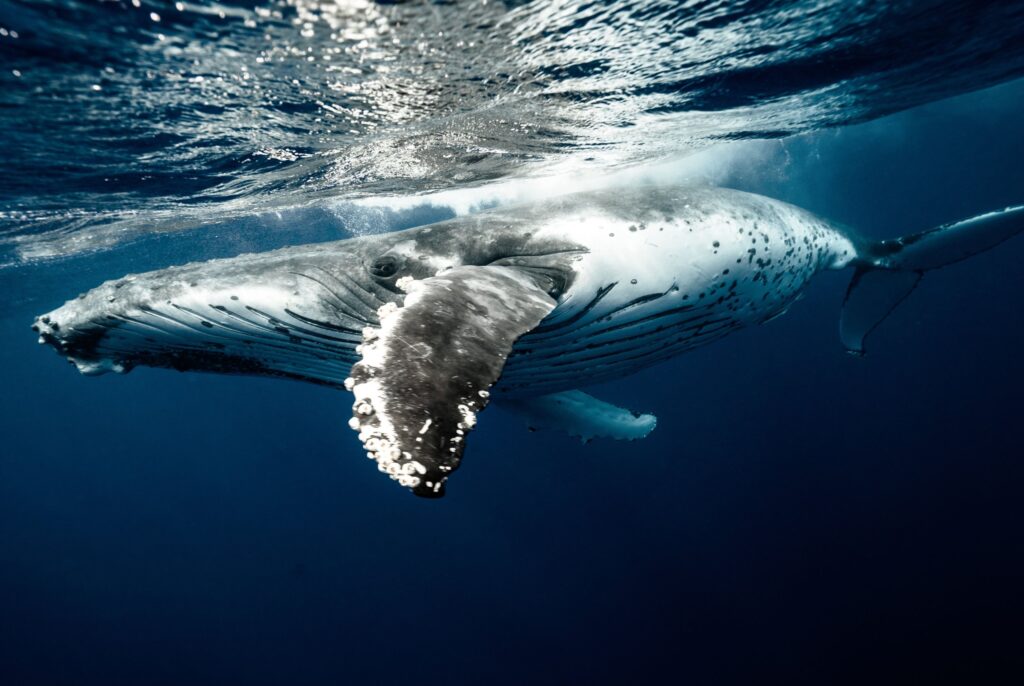
On top of that, between August and September you have a chance of seeing beautiful Humpback Whales.
Boribu Dive Site
Reached by a long boat trip from Stone Town – the old part of Zanzibar City (Zanzibar's main city) – the Boribu dive site is packed with colourful underwater sights, from striking gorgonian sea fans to big barrel sponges, columnar corals and plenty more!
As for the sea life you'll meet while diving at Boribu, the site tends to attract schools of pelagic fish, as well as moral eels and big lobsters.
Come at the right time of year and you may even see a whale shark!
Nungwi
On Zanzibar's northeastern tip lies Nungwi, which has several lovely dive spots, including Shane’s Reef, Mbwangawa, Kichafi and others.
Shane’s Reef is a rather unusual dive site, combining coral reefs with sandy patches on the bottom; it starts at 10 meters and gently descends to 14 meters.
From there it slopes down – once more, gradually – to 20 meters.
On Shane’s Reef you can find macro marine life as well as other sea creatures, including Spotwing flying gurnard, weedy scorpion fish, black-botched porcupine fish, seahorses and more.
Mwababnga
Mwabanga is a large coral reef where hard and soft corals come together across two main areas of plate coral formations.
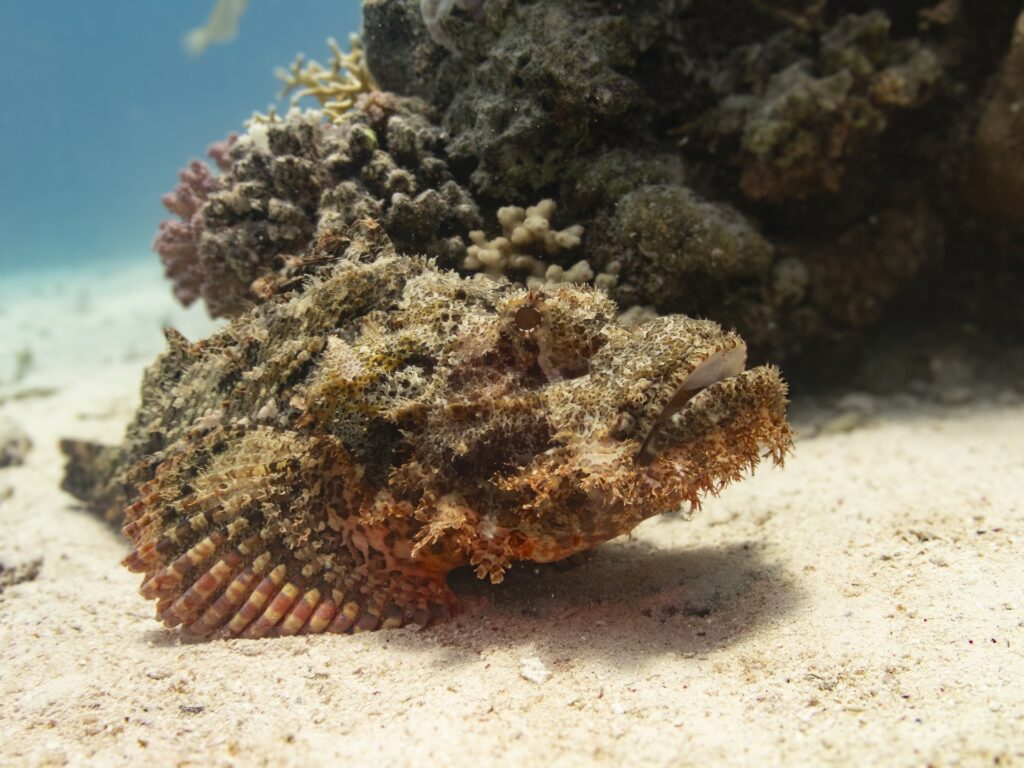
It starts at a shallow 7 meters, with gentle slopes going down to 18 meters. Thanks to the mild current, you can do some drift diving while watching guitar fish, stingrays, groupers, stone fish, colourful reef fish and more.
Kichafi
Kichafi, another coral reef dive spot, has hard and soft corals edged by colourful sea cabbage and distinctive, colourful plate coral formations.
At 10 to 16 meters deep, it suits a variety of experience levels.
Dive Kichafi in the early morning or late afternoon and you may see mackerels, cobias or large stingrays. At other times, you’ll see spade fish, parrot fish and reef fish, among others.
Hunga Reef
Lying below Shane’s Reef, northwest of Zanzibar, this round reef is another open-sea site, with depths of 10 to 17 meters.
Hunga is known for its very good visibility and its huge bommies, which are covered in a variety of bright, colourful corals.
Hunga makes for a superb mid-water dive, where trigger fish, crocodile fish, unicorn fish, bat fish and redtooth are common, and you may also see spot eagle rays.
Final Thoughts
Those are some of the best places to go scuba diving in Zanzibar!
We hope our list shows that whether you are a beginner, intermediate or advanced diver, you have lots of choice if you want to enjoy a scuba diving adventure in Zanzibar.