
14 February 2024



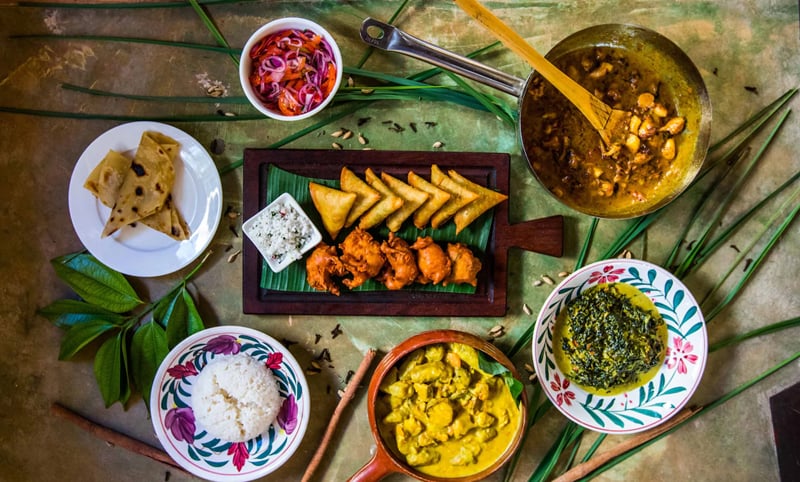

Nestled in the heart of East Africa lies a land brimming with diversity, both in its landscapes and culinary tapestry. Tanzania, a country renowned for breathtaking safaris and majestic Mount Kilimanjaro, also boasts a rich and diverse gastronomic heritage that is as vibrant as its culture. In this article, we embark on a flavorful expedition to uncover the essence of Tanzanian cuisine, delving into the savory delights and cultural significance of its traditional dishes.
14 February 2024
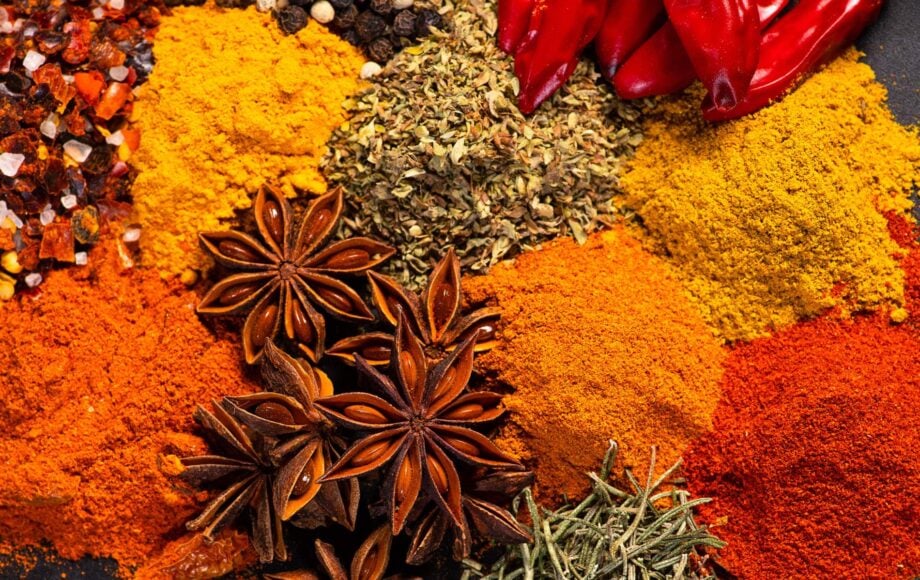
The food of Tanzania is remarkably varied, and both the ingredients and the way dishes are prepared change from one region to the next. One typical feature is the generous use of spices such as cloves, cinnamon and ginger, along with coconut milk, which give dishes a rich, fragrant flavour.
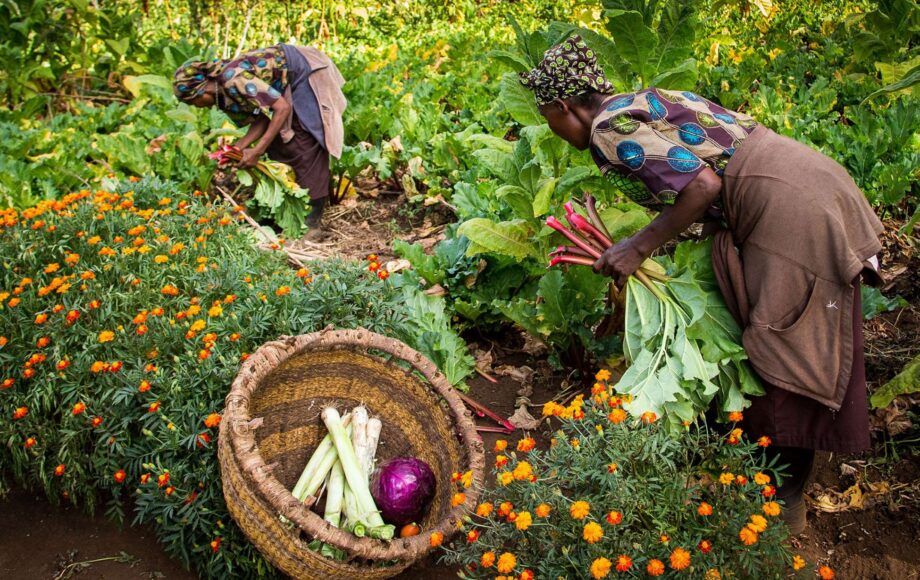
Beans, spinach, okra and cassava leaves are among the vegetables you will often find in Tanzanian cooking, while rice and ugali are the staples on which many meals are built.
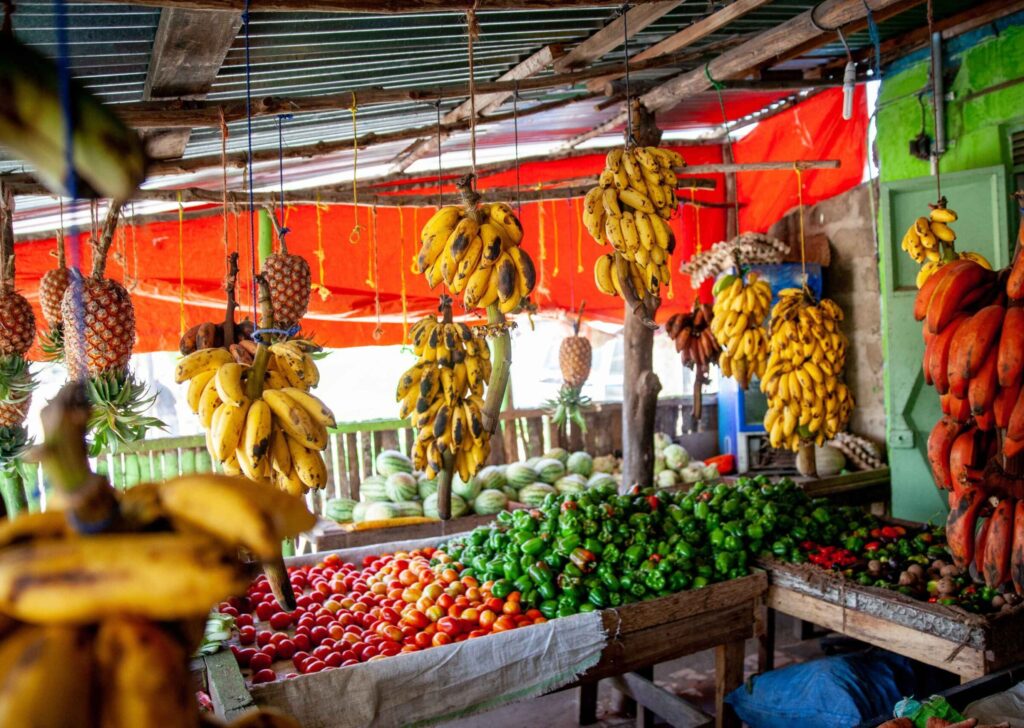
Fruit plays a special role in the Tanzanian kitchen. Tropical treats such as papaya, mangoes and watermelon are plentiful and appear on tables in homes all over the country, giving locals and visitors alike a refreshing and healthy choice.
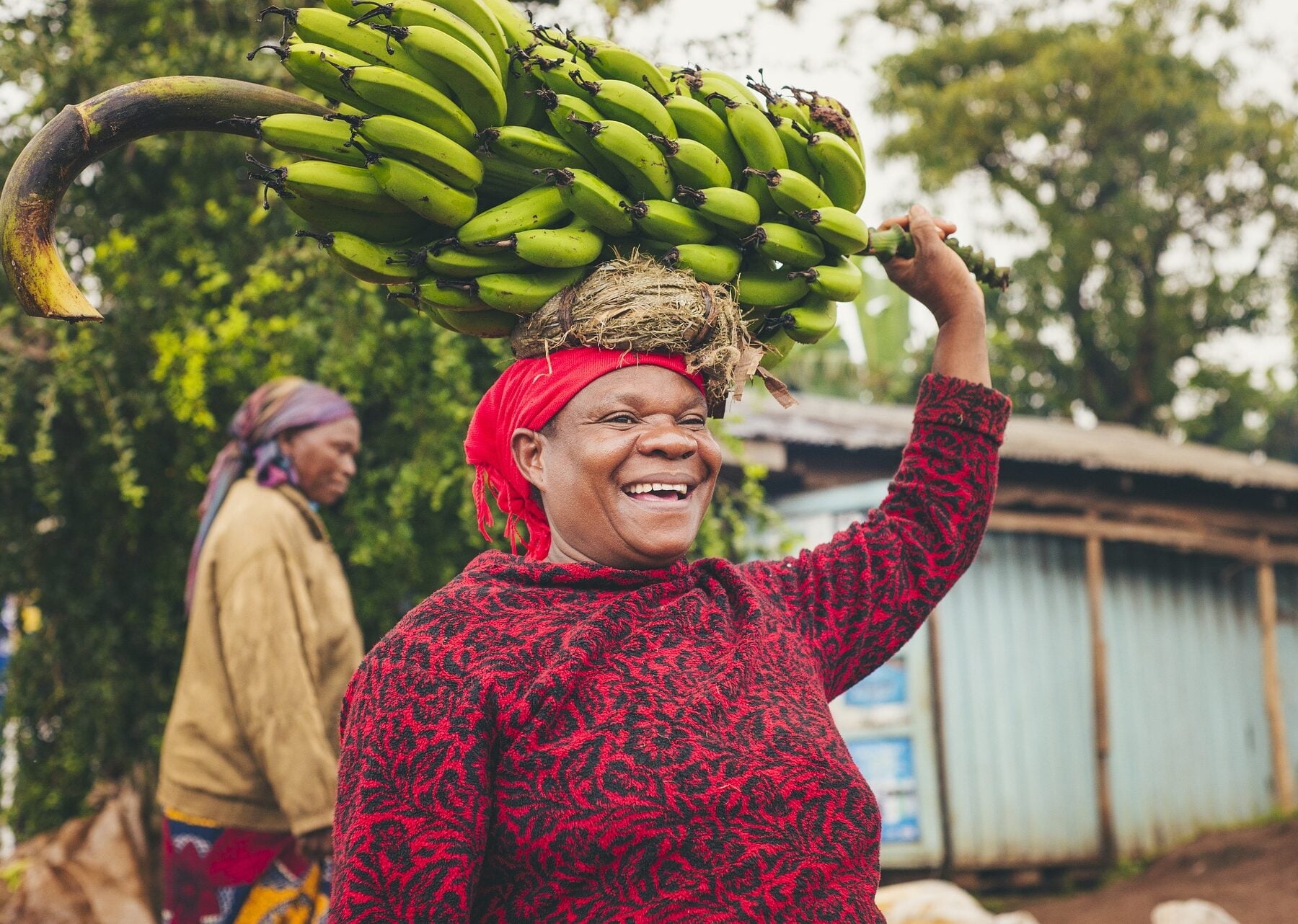
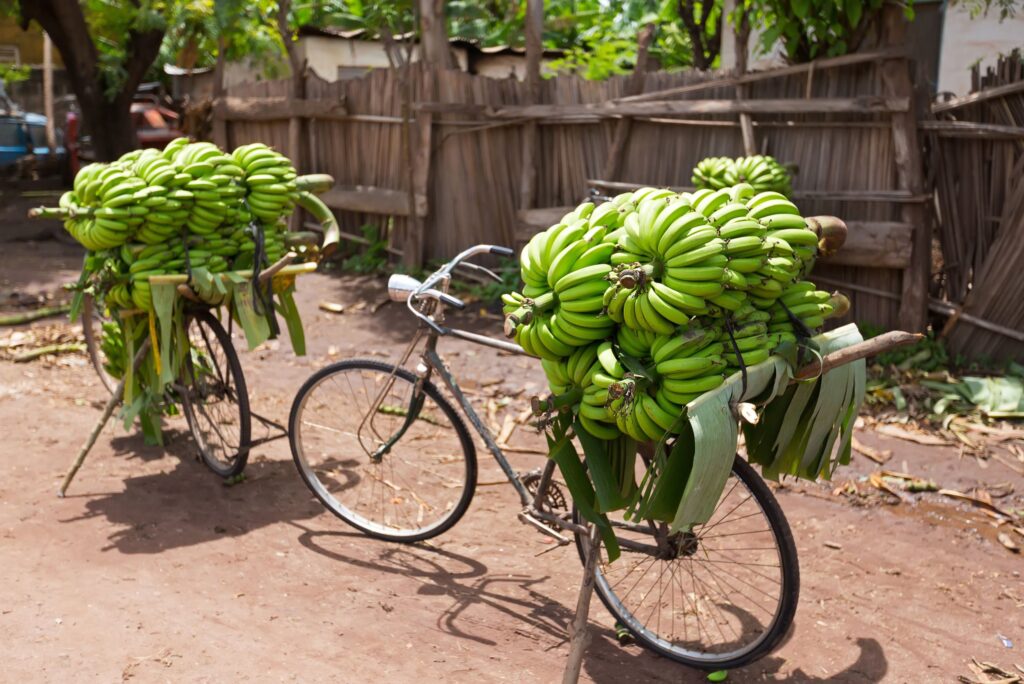
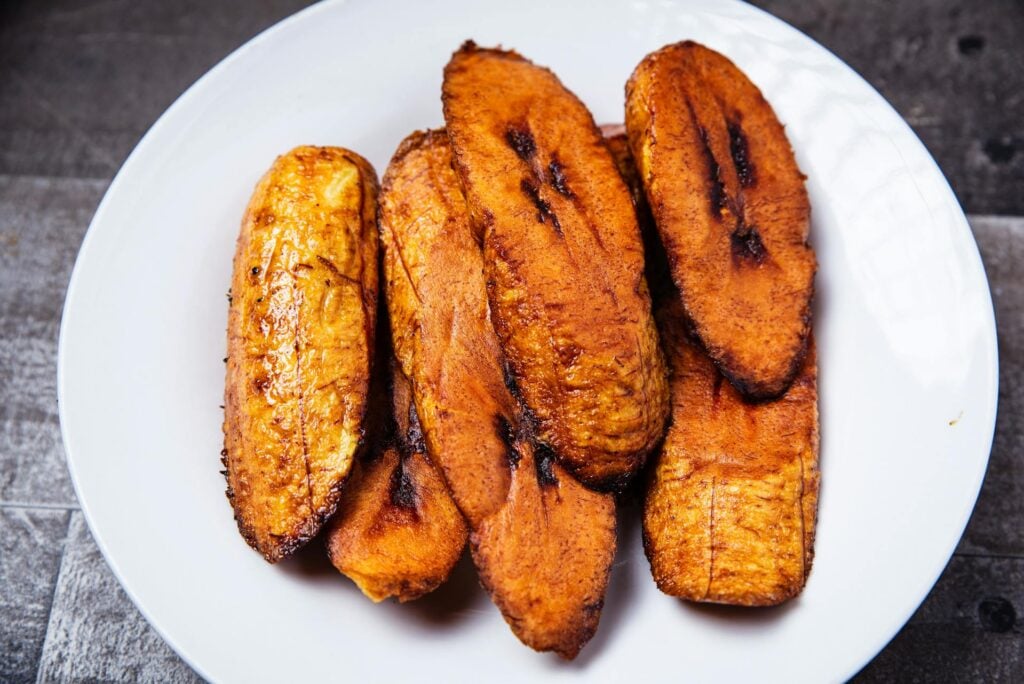
A fascinating feature of Tanzanian food culture is the wide range of plantains, with no fewer than 17 different kinds. These adaptable fruits are frequently fried into crunchy chips or added to all sorts of stews and soups, bringing both texture and taste to traditional dishes.
As Tanzania has one of the biggest livestock populations in Africa, meat has long been part of its regional cooking. Chicken, beef and goat are the most popular meats in traditional Tanzanian dishes, and each brings its own flavour and texture.
In areas such as Arusha, where tribal customs remain strong, meat is the main event at mealtimes, and the portions are generous enough for even the biggest appetite. Elsewhere in the country the servings of meat can be smaller, in keeping with local tastes and cultural habits.
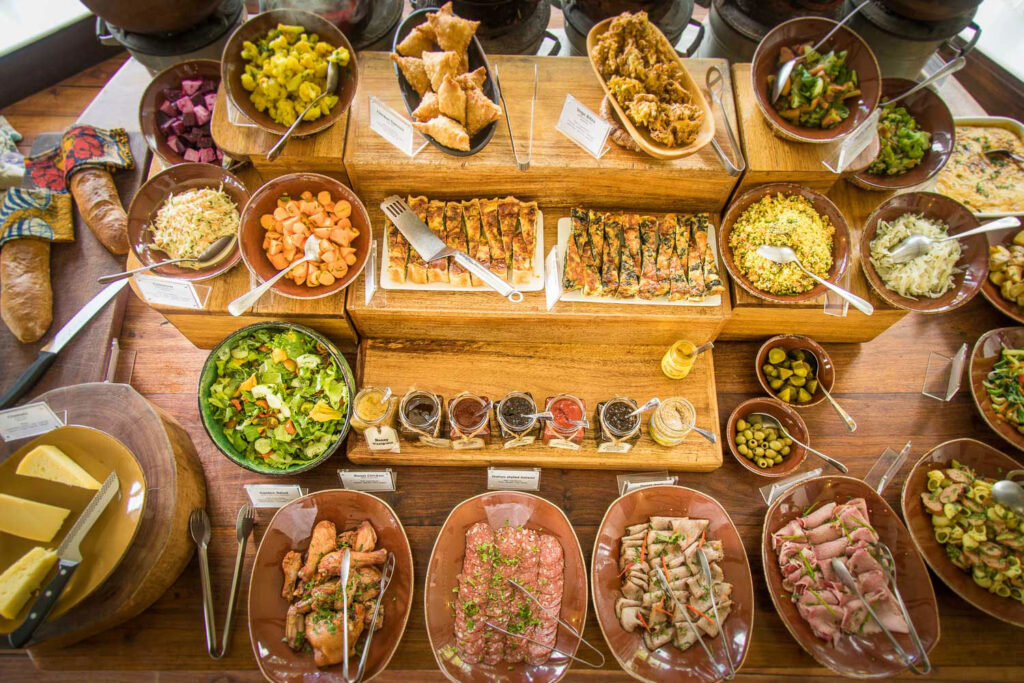
Indian cooking has also left its mark on Tanzanian food. This goes back to the 19th century, when Indian merchants started settling in Tanzania to trade. The exchange between the two cultures brought a mix of spices, cooking methods and flavours into Tanzanian cuisine, adding to its heritage and to its wide variety of tastes.
Tanzania and Kenya, its neighbour, have more in common than a border: they also share a food culture, and many dishes in both countries have similar names and flavours.
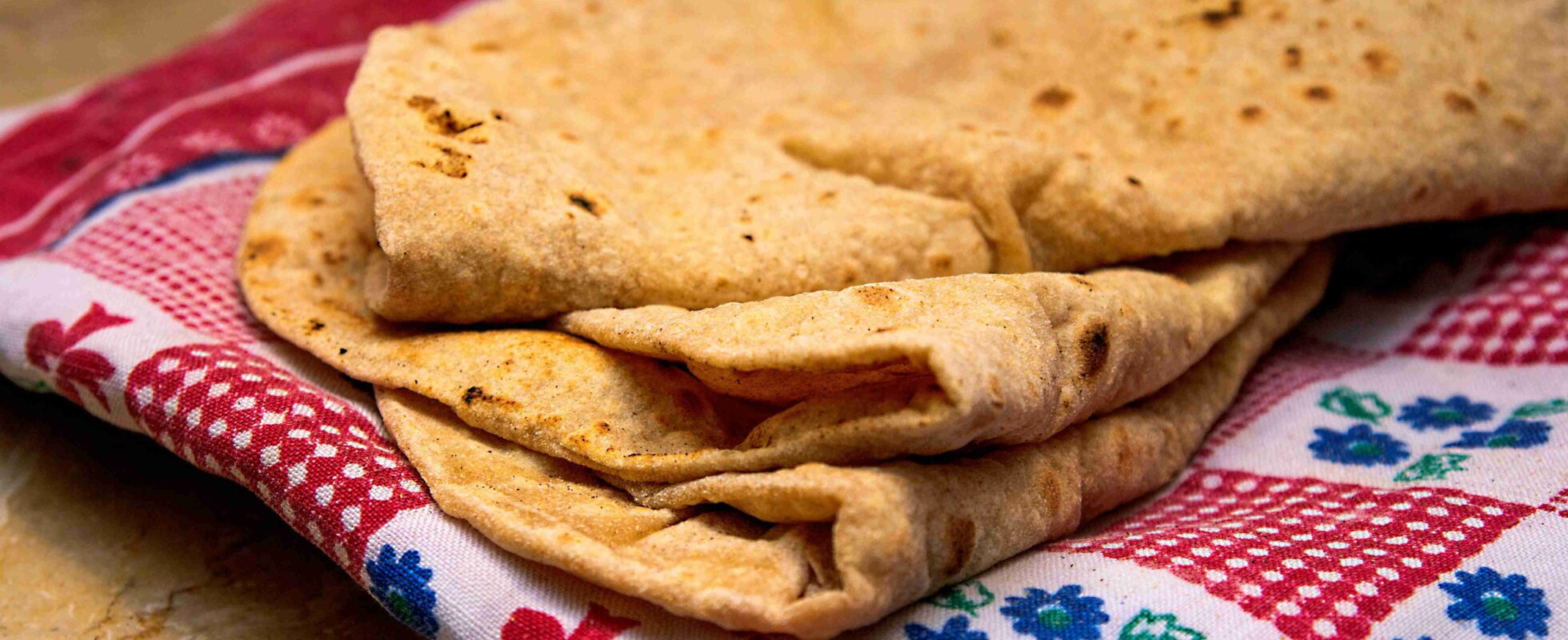
In busy cities such as Dar es Salaam you can clearly taste the Indian influence, with many Indian-run restaurants serving popular staples such as chapati and samosas, which add a pleasant fusion to the local food scene.
Tanzanians like something sweet for special occasions, and cakes are a popular way to celebrate important events. Every city has its own selection of pastry shops where you can satisfy a craving for something sugary, but bear in mind that cake is often seen as a luxury, and the prices reflect that special status.
In Tanzania, cooking takes time and patience; it is done with love. Tanzanian dishes are not quick meals: they take longer to prepare, mainly because they are usually made in large quantities so that people can eat together.
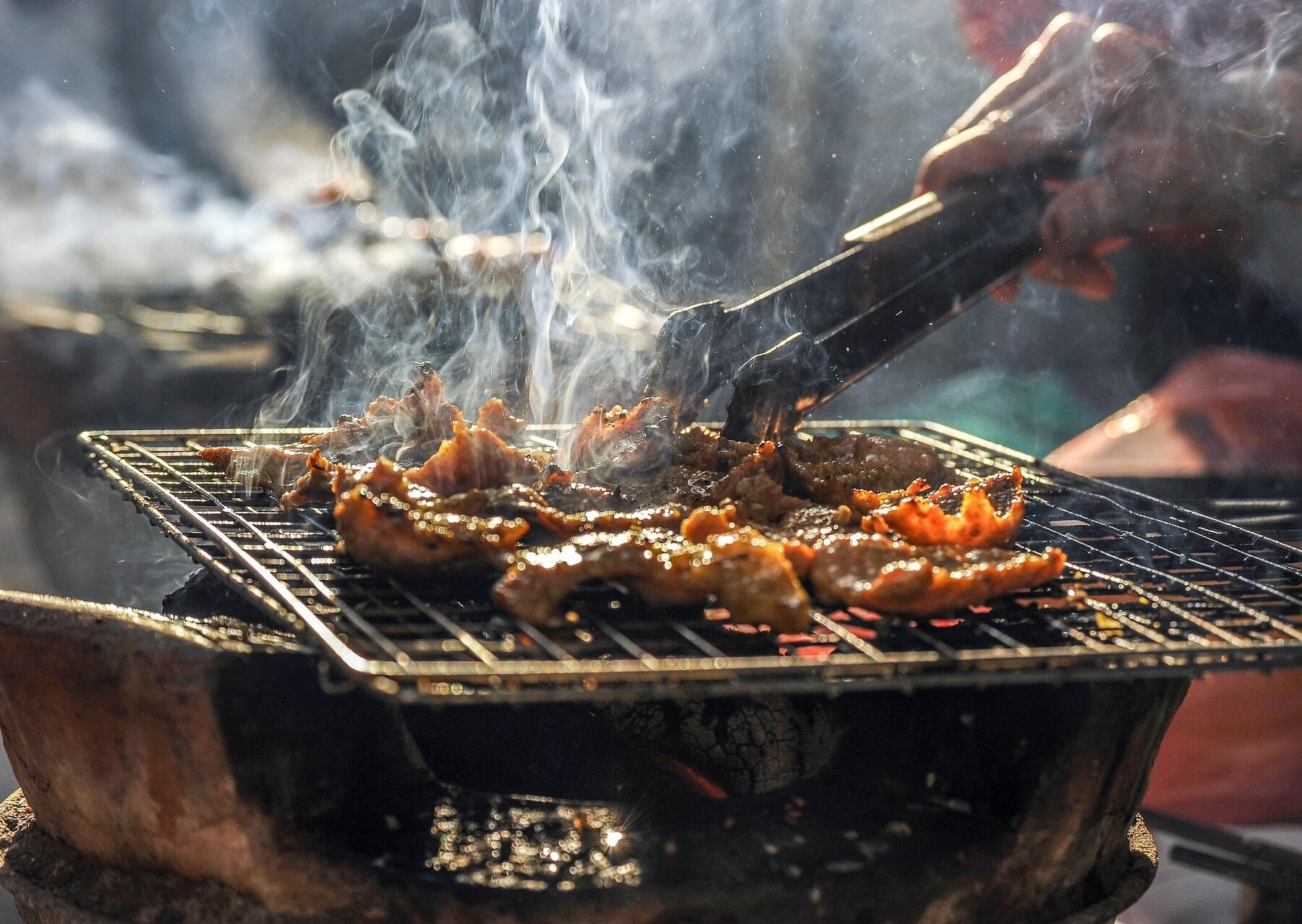
Cooking on wood or charcoal fires also makes Tanzanian food more time-consuming. This traditional way of cooking gives a distinctive smoky taste, but it is a slower process. So it is quite normal for an everyday Tanzanian meal to take several hours, while the dishes simmer and the flavours blend above the flickering fire.
Ovens are rare in Tanzanian kitchens, so cooks mostly boil, grill and fry with vegetable oil. These are familiar techniques, but they are carried out over an open fire, which gives each dish an authentic touch and shows how inventive Tanzanian cooks are in working with what they have.
Traditionally in Tanzania, vegetables and grains are often boiled, which softens them and lets their natural taste come through. Rice and ugali, for example, are usually boiled until just right, forming a filling base for many meals. Citrus fruit and many vegetables, on the other hand, are valued for their freshness and are often eaten raw, bringing plenty of flavour and nutrients to the meal.
Charcoal fires are central to Tanzanian cooking. They help keep the original flavours, as well as the texture and nutritional value of the food. This traditional method gives dishes a clear smoky note, while meat such as chicken or duck, and all kinds of vegetables, bananas and cabbages, become perfectly tender over the open flames. Together this produces the harmony of flavours that sums up Tanzanian cuisine.
Here is our top 10 of Tanzanian dishes, each giving you a tasty look at the lively food culture of the country
Ugali is the undisputed king of Tanzanian food and holds the honoured title of national dish. It is far more than a meal; it is a cornerstone of daily life in Tanzania, and people eat it around four times a week on average.
Walk into any local restaurant and you will almost certainly see ugali on the menu, at a fair price that puts it within everyone's reach. This much-loved staple rarely comes on its own; it is usually served with a selection of tasty side dishes. Whether it comes with vegetables, soup, dagaa (small fish), beans or different kinds of fish, particularly in state schools, ugali lies at the centre of many Tanzanian meals.
For people whose work calls for physical stamina, such as fishermen, builders, factory workers or farmers, ugali is more than food—it gives them nourishment and energy. Known as a high-energy dish, this filling meal keeps hard workers going through long, tiring days, which is why it is seen as an essential part of Tanzanian food and culture.
The popularity of ugali reaches across jobs and gender roles, and office workers eat this favourite Tanzanian dish too. Many people even have ugali for breakfast, giving them a filling start to their day.
Among some Tanzanian tribes, such as the Sukuma, ugali has cultural meaning as a dish linked mainly to men. Yet its appeal goes well beyond gender, and men and women alike enjoy its comforting flavour and filling texture.
Made from a simple but clever mix of flour and hot water, ugali has a firm texture that goes well with many tasty side dishes. Maize flour is by far the most common, but other grains such as millet, cassava and sorghum also give this classic Tanzanian dish their own character.
People often mix two or more kinds of flour, for instance corn with millet or corn with sorghum, to improve both the flavour and the nutritional value.
Wali Maharage, made with rice and beans, is a treasured dish at Tanzanian dinners and often takes centre stage at social events, from religious festivals and weddings to sad occasions such as funerals, as well as festive holidays.
Prepared with care and with love, Wali Maharage is a real treat; great attention to detail goes into it so that it has a delicious taste and a satisfying texture.
The beans and rice are traditionally cooked on their own first and then brought together in this tasty dish. The traditional seasoning is kept simple, with nothing more than salt, oil and coconut, though modern versions may use a wider range of flavours.
For the beans you need carrots, onions, tomatoes, oil, green peppers and a mix of seasonings, which together make a rich and fragrant bean stew. When it is ready, the beans go into a bowl and the rice is carefully placed on a plate—often eaten with the hands for a truly authentic meal.
In restaurants, Wali Maharage comes with two tasty side dishes: a fresh green vegetable such as matembele or mchicha, which contrasts nicely with the filling main dish, and a special sauce called mchuzi ya nyama, with a hint of meaty flavour that lifts every mouthful.
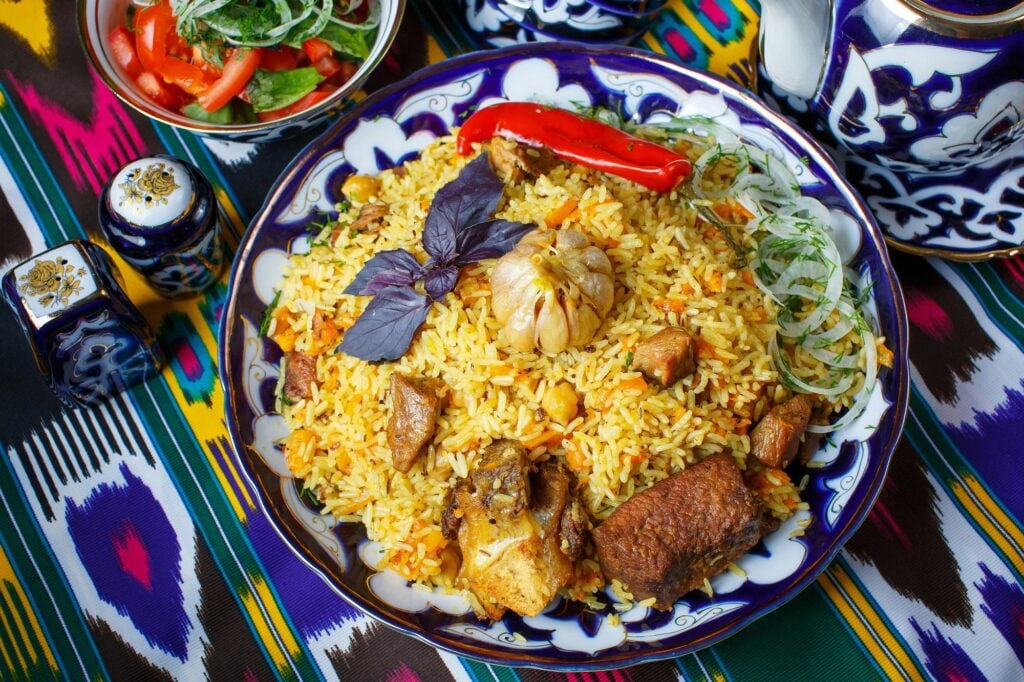
In Tanzanian pilau, the spices really come together: black peppercorns, cloves, cumin, cardamom and cinnamon are the stars of the typical pilau masala mix. Pilau is known for its rich taste and aroma and has a treasured place in the food of Tanzania.
Spicing in Tanzania is about more than just seasoning—it is a food tradition firmly rooted in every national occasion. Whether at a festive gathering or an ordinary meal, pilau has pride of place on the table, and together with the much-loved ugali it has become a true food icon.
Tanzanian pilau is also very versatile, with lots of choices to suit every taste. You can have it as a simple vegetable dish or with juicy chicken, beef or lamb; either way, pilau is the classic one-pot wonder—a filling, tasty meal that satisfies both your appetite and your soul.
In Tanzania's seafood cooking, octopus has a special role, offering plenty of room for creativity in the kitchen. Of all the tempting ways to prepare it, one clear favourite is a rich coconut curry called “pweza wa nazi”, a much-loved traditional dish from Zanzibar.
This tempting dish is not only tasty but also very filling, and it shows off the rich flavours of what Tanzania's coast has to offer. Octopus is the star here, but it is good to know that you can easily swap it for any other local fish or seafood and get a similarly delicious result.
Making octopus tender takes a little skill. In the past, fishermen would gently beat the octopus on the beach after catching it, which helps soften the meat. To get it as tender as possible, though, cooks choose to boil it first before adding it to the curry. That way the octopus soaks up the rich flavours of the coconut curry as it simmers until just right.
As Tanzania has so much fresh seafood, an octopus dish is a food adventure you should not miss.
Urojo is a much-loved dish from Zanzibar with a special place in the hearts and homes of the islanders, who often have it on the menu every week.
The thing that makes urojo so special is how adaptable it is, as every household gives this iconic dish its own personal touch. Recipes differ widely, from the choice of ingredients to the way it is cooked, and often depend on which local produce is in season and on what the cook prefers.
Urojo is a filling soup packed with all sorts of ingredients, a real abundance of flavours and textures. Soft potatoes and tasty mishikaki, boiled eggs and crunchy kachori, a mix of vegetables and crispy fried cassava pieces: each spoonful brings a pleasant surprise for your taste buds.
You can buy urojo from street vendors in the evening, and it is more than just food; it is an experience that sums up the lively food culture of Zanzibar.
In Tanzanian cooking, red snapper has a special place and is valued for its delicate flavour and tender flesh. This lovely fish is a real treat and is usually prepared simply: lightly marinated and then skilfully grilled until perfect.
Red snapper is tasty and can be eaten in many ways, for example as the main ingredient of a fragrant curry or as the heart of a balanced meal with rice and vegetables.
You can easily find red snapper at food stalls throughout Tanzania, but it is also simple to cook at home. Just take care not to marinate the fish for too long, because leaving it in the marinade too long can spoil its natural taste and texture. Even so, the mild flavour of red snapper makes it ideal for taking on spices and seasonings, leaving lots of room for creativity in the kitchen.
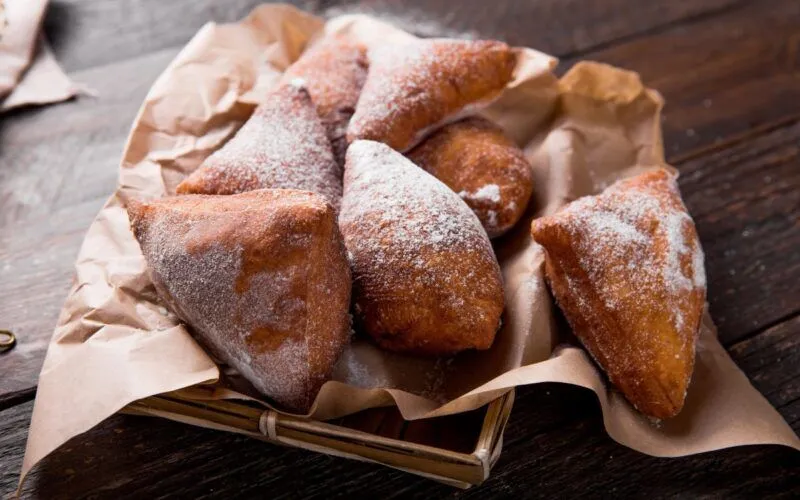
Mandazi is a favourite snack among Tanzanians. Although it is good at any time of day, many people start their morning with mandazi, eating it with comforting porridge or a hot cup of tea for a satisfying breakfast.
Making mandazi starts with a simple, tasty dough of eggs, sugar, wheat flour, bicarbonate of soda and fresh milk. Once it has rested for a short while, the dough is formed into different shapes, such as triangles, rectangles or even balls, and then deep-fried in hot oil until it is crisp and golden brown.
When day turns to evening, mandazi is still a popular snack in coastal areas of Tanzania such as Dar es Salaam, Tanga and Pwani. There, people often eat it with a hot cup of tea and some beans, a comforting and filling way to relax after a long day.
Mandazi also features at special occasions, and it plays a prominent part in Muslim wedding celebrations.
If you are short of time, mchuzi wa biringani is one of the fastest and easiest Tanzanian dishes to make. It is based on thin slices of aubergine, fried in oil until they are soft.
There is more to it, though. The aubergine is joined by a mix of onions, ginger, tomatoes, garlic and carrots, which add depth of flavour and texture. Cooks sometimes add potatoes as well, whose starch thickens the sauce and gives the dish a richer consistency.
Depending on what you like, this versatile dish can be served as a filling soup or as a tasty aubergine curry. If you want an extra layer of flavour, adding dairy or coconut milk brings out the taste of the vegetables even more, making it a rich and satisfying meal.
Mshikaki is a favourite Tanzanian delicacy of juicy beef, marinated in a tasty mix of ginger, lemon and chilli peppers, then skilfully threaded onto skewers and grilled over charcoal.
This delicious dish is more than food—Tanzanians of every age enjoy it as a cultural experience, especially as a popular snack. It is often eaten with roasted potatoes, making the tempting “chips mshikaki”, and it is also frequently served with fried cassava and sweet roasted or smoked plantains.
In the evening, the smell of sizzling mshikaki fills the streets of Tanzania as street food sellers fire up their grills for hungry passers-by.
You will not only find mshikaki at the roadside; this versatile dish also turns up in shops, bars and music venues all over the country. Served with a refreshing beer or glass of wine, mshikaki turns every get-together into a celebration of Tanzanian flavours and traditions.
One stand-out dish in Tanzanian cooking sums up the taste of the coast: mchuzi wa samaki, a tasty fish stew known for its versatility and rich flavour. The type of fish can differ from region to region, but the dish always makes for a satisfying meal.
In the north of Tanzania, “kambale fish” is the star, giving the stew its own distinctive flavour. In the central region, by contrast, “migebuka fish” gives the dish its typical taste, which shows how many types of fish are found across the country. And around the Lake Zone, you are sure to come across versions made with tilapia or Nile perch.
Besides the fish, mchuzi wa samaki contains a mix of tomatoes, coconut, green peppers, carrots and onions. Tanzanian cooks sometimes add the fresh tang of lemon juice and the fragrant warmth of curry powder to lift the dish even further.
Peek behind the scenes and learn more about harvests, spices and culture.
Tanzanians eat together, often sitting at a low table or on a mat on the floor. Before the meal begins, there is a treasured custom of washing your hands with warm water at the table, a cleansing ritual ahead of eating.
One key point of table manners in Tanzania is that you eat only with your right hand, whether you are right- or left-handed, because it is seen as the “pure hand,” while the left is regarded as “dirty.”
The food is usually set out on a large platter, and everyone gathers round to help themselves. At the centre of many meals is a heap of rice, shaped like a hill, surrounded by a selection of tasty dishes.
Even when there are several people eating, salad usually comes on one plate, which makes sharing easy and creates a feeling of togetherness. Tableware in Tanzania is plain and practical, with medium-sized plates and few utensils, so the attention stays on the flavours and on enjoying the food.
For a really authentic meal, dinner is often served on a mat on the floor, with symbolic arrangements of bananas, leaves and coconuts around it. At gatherings, people sometimes use bridge tables, with big soup plates and smaller soup cups for the main dishes.
Following tradition, Tanzanians do not use cutlery but would rather eat with their hands—a habit thought to improve the taste and the whole experience of the meal, and one that reflects the heart of Tanzanian hospitality and food culture.
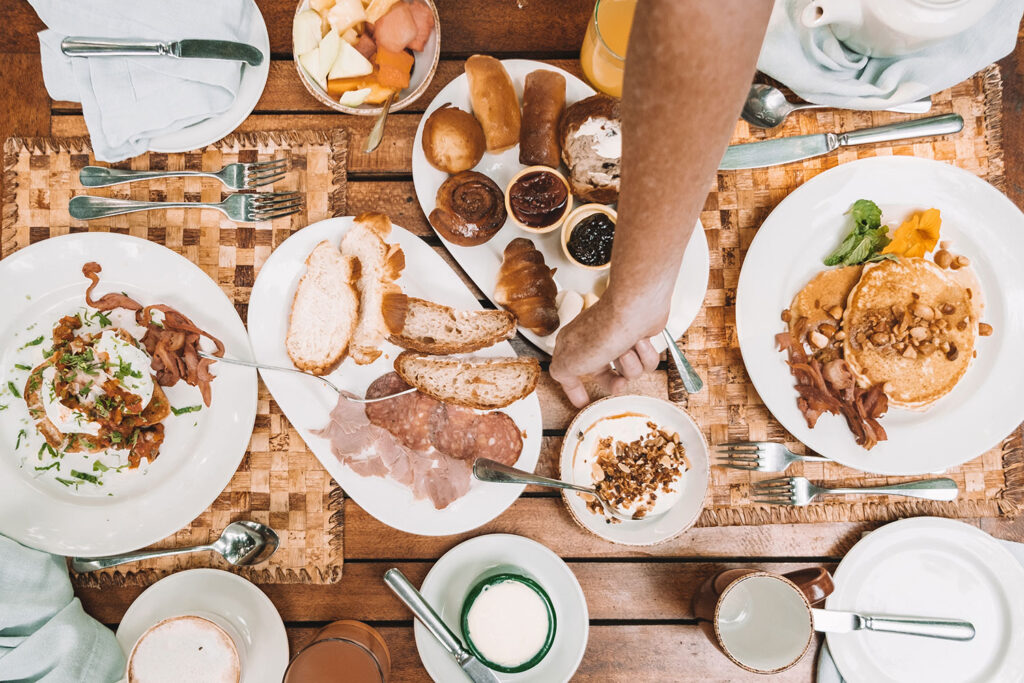
Breakfast in Tanzania offers a lovely range of choices, from savoury to sweet. Favourites include flatbread or chapati, which give you a filling start to the day with their pleasing texture and taste. If you have a sweet tooth, try mandazi, a kind of fried doughnut, a tasty treat that goes perfectly with a cup of tea or coffee.
The morning spread also includes vitumbua, tasty doughnuts with coconut and cardamom that have a distinctive mix of flavours and aromas your taste buds will love. Then there are samosas, savoury pastries with all sorts of tasty fillings, which make a satisfying and flavourful breakfast.
All of these are eaten in the morning with a cup of tea, or “chai,” as the locals call it.
Lunch is the main meal of the day in Tanzania, and it is usually eaten at 1:00 PM.
Lunch is built around staples such as ugali or rice, which form a filling base for the meal. Beans are an important part too, adding protein and depth of flavour. Vegetables bring freshness and nutrients, and mchicha, a kind of spinach, often appears, adding bright colour and an earthy taste.
Chapati bread rounds off the meal with a touch of warmth and comfort, ideal for mopping up tasty stews or eating with the other dishes.
At the end of the day, dinner in Tanzania carries on the food journey in a familiar, comforting way. Just like lunch, the evening meal usually centres on staples such as ugali or rice, served with beans, vegetables and chapati bread.
Supper has much in common with lunch, but now and then a piece of meat is added, giving the meal a little extra indulgence and protein. Even so, dinner is usually less lavish than lunch, with the emphasis on simple, nourishing food.
Dessert after dinner is not usual in Tanzanian food culture. The meal is finished off with sweet, refreshing fruit instead, served together with the main course, giving the day's food a satisfying and wholesome end.
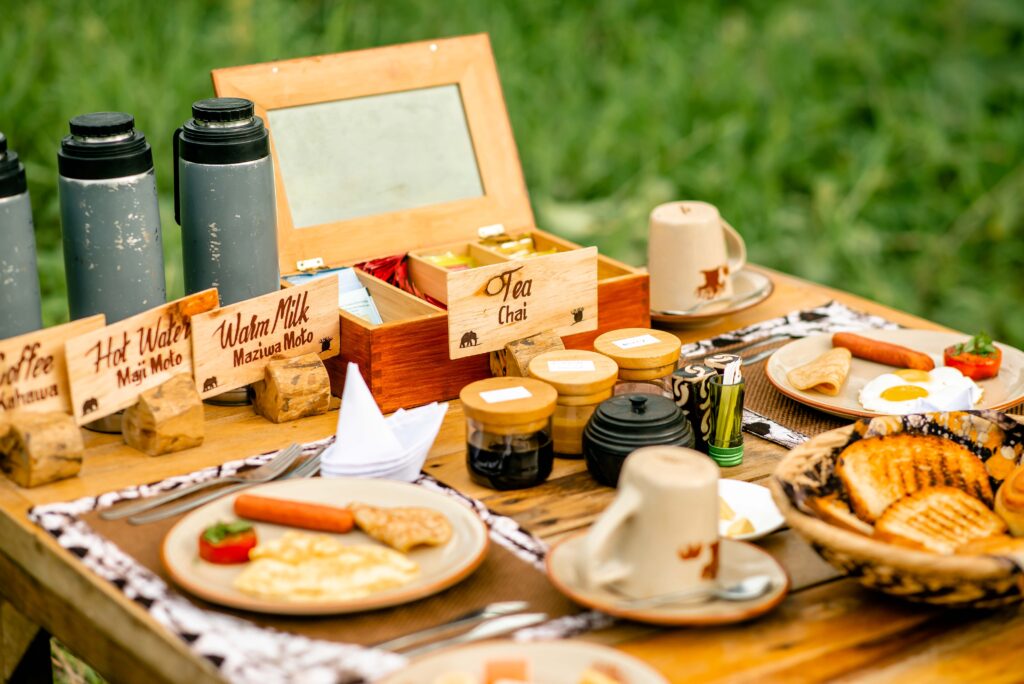
Chai (tea) is the undisputed number one drink in Tanzania, loved for its simplicity and comforting warmth. It is easy to make and drunk all day long, and it has a special place in Tanzanian culture as a favourite companion at meals and social gatherings.
Plantains do not only feature in traditional drinks; they also matter in Tanzanian alcoholic drinks. One of the country's treasured beverages is mbege, a national drink from the Kilimanjaro region. Made from fermented bananas, mbege has a distinctive, refreshing taste that captures the spirit of Tanzania's rich food heritage.
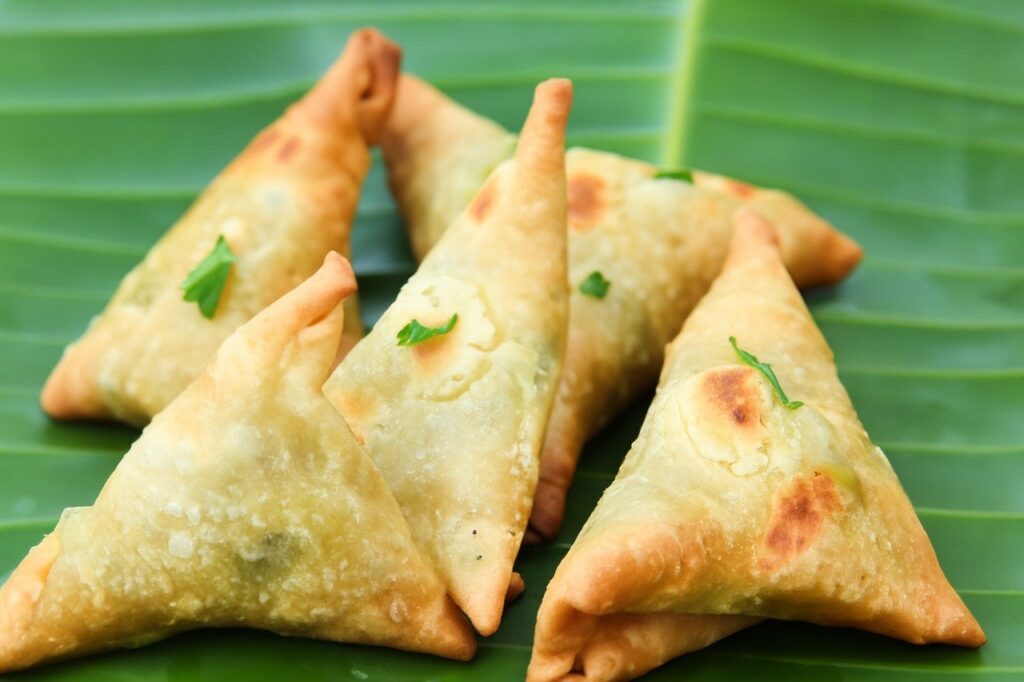
The samosa is a much-loved snack all over Tanzania and a treat with endless appeal: a deep-fried pastry case generously filled with a tasty mix of minced beef, garlic, spices and onions.
The appeal of the samosa goes even further thanks to a vegetarian version, a tasty alternative for anyone with particular dietary wishes or restrictions.
Wali wa nazi is one of the most popular side dishes in Tanzania, a lovely take on rice that is both tasty and comforting. The dish is kept simple: the rice gets just a little salt and is boiled until perfect in a mix of coconut milk and water.
Similar to nasi lemak, the well-known dish from Malaysia, wali wa nazi charms you with its rich coconut aroma and creamy texture. It is extremely versatile and goes perfectly with all kinds of curries and stews, bringing depth and richness to each mouthful.
Wali wa nazi is not only eaten in Tanzania; it is also part of the cooking of neighbouring countries such as Kenya and Uganda.
If you are travelling to Tanzania and want to learn a lot more about the local food, a food tour could be a good idea.
Led by a local guide, you get the chance to dig deeper into the flavours, customs and stories behind every dish, making it a truly authentic food experience.
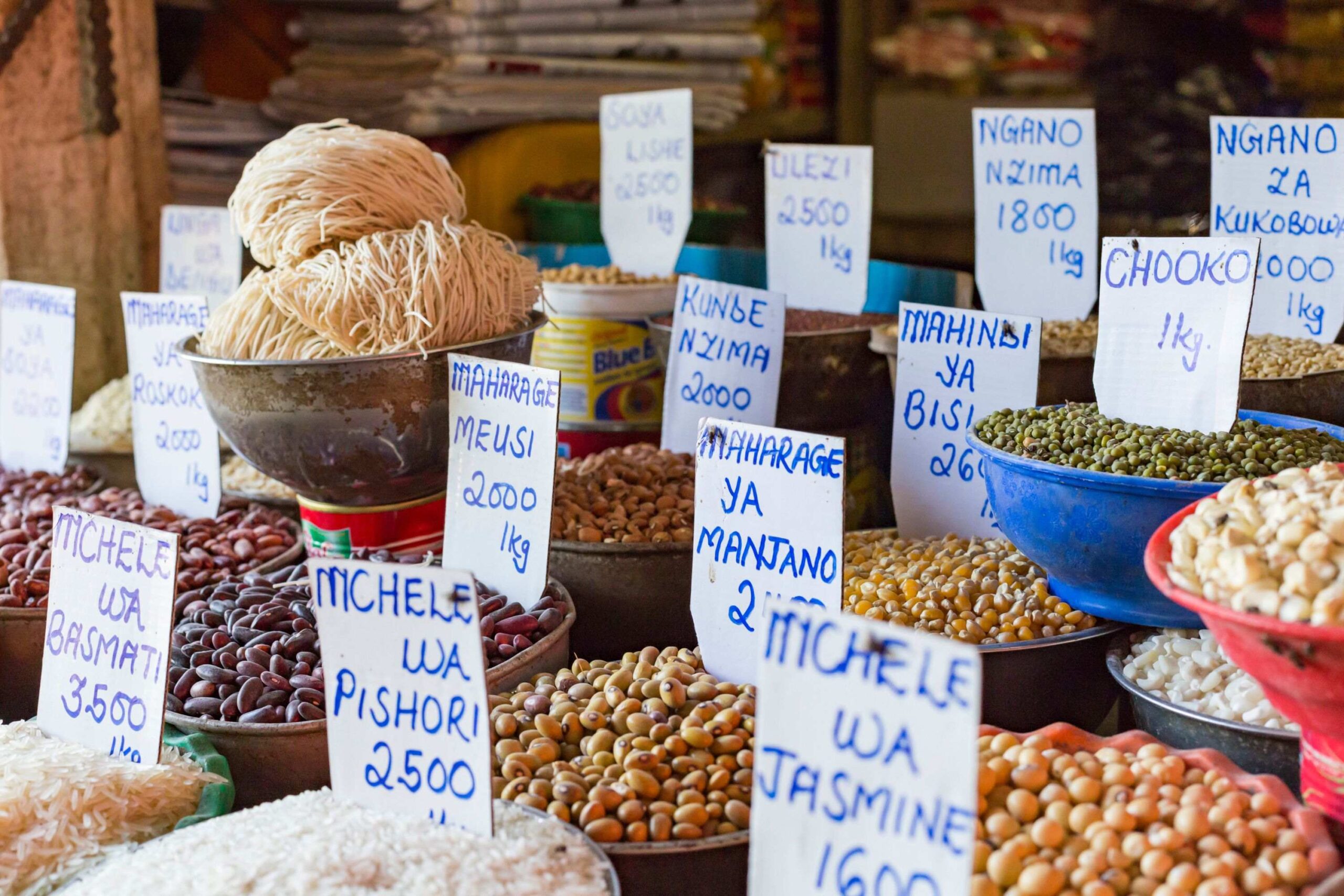
A guided tour combines expert knowledge with discovery, taking you to hidden food gems, busy markets and lively street food stalls in the city that you might easily miss on your own. Whether you are tasting juicy grilled meat, enjoying fragrant stews or trying exotic fruit, every stop on the tour is a tempting journey through the varied food culture of Tanzania.
You can of course explore the food scene by yourself, but with a guided tour you get a carefully planned experience, so you won't miss any of the dishes you really should try or any of the hidden food treasures.
So whether you are an experienced foodie or just curious about the flavours of Tanzania, a food tour is the ideal chance to set off on a unique food journey, led by the people who know the local cooking best.
Food tours are not the only way to get to know the local food. Read about our top three tips for enjoying tasty dishes, and find out how to bring the taste of Tanzania and Zanzibar home with you.
The food of Tanzania mirrors the rich cultural variety of the country, as every region has its own food traditions and flavours. With more than 125 tribes adding to the mix of Tanzanian cooking, it is hardly surprising that dishes differ so much from region to region.
Yet despite all this variety, some dishes have become favourites everywhere, loved by Tanzanians from every background. From comforting ugali to fragrant mchuzi wa samaki, these top 10 dishes give you a taste of Tanzanian food heritage that goes beyond regional borders.
Receive a free, no obligation quote
Start planning your dream trip
Tijs Krops and Edrian Waterman in the Netherlands help you plan
NL: +31 6 29351377 WhatsApp: +31 6 29351377 tijskrops2005@gmail.com During your trip: Baraka Dalali, Kilimanjaro Nature Tours, Arusha · +255 787 301 259