
1 November 2022
Tanzania is not only the home of plenty of beautiful wildlife, it also has a wealth of outstanding nature. Below we list the best-known and most common Tanzania trees that you will come across on safari.
For anyone who loves nature and wildlife, it is well worth choosing to travel to Tanzania!
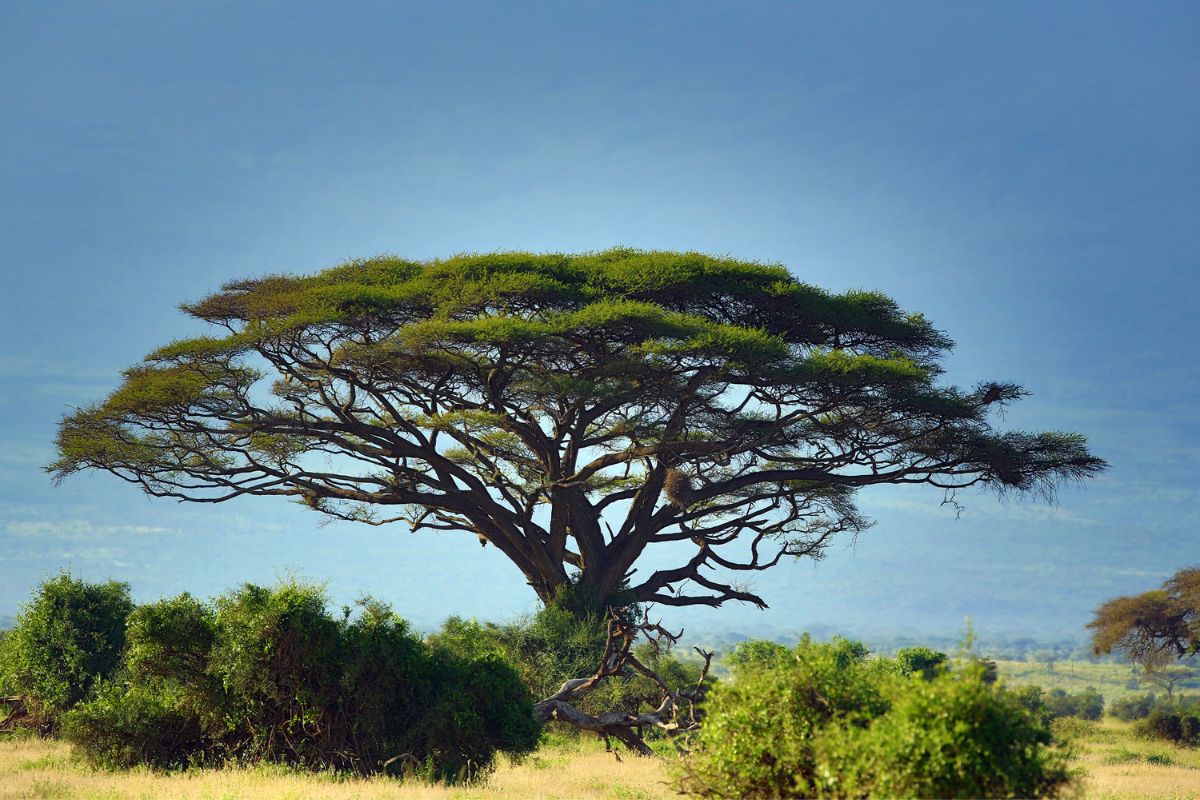
It may never have occurred to you, but on safari you will see a great deal of nature as well as plenty of animals.
That applies to every African country, Tanzania included.
Common Tanzania trees you may spot on safari
This guide looks at a number of the most common trees in Tanzania that you may see while on safari.
Want to know more? Then read on!
Yellow Fever Tree
On safari, you will most likely visit several different kinds of habitat.
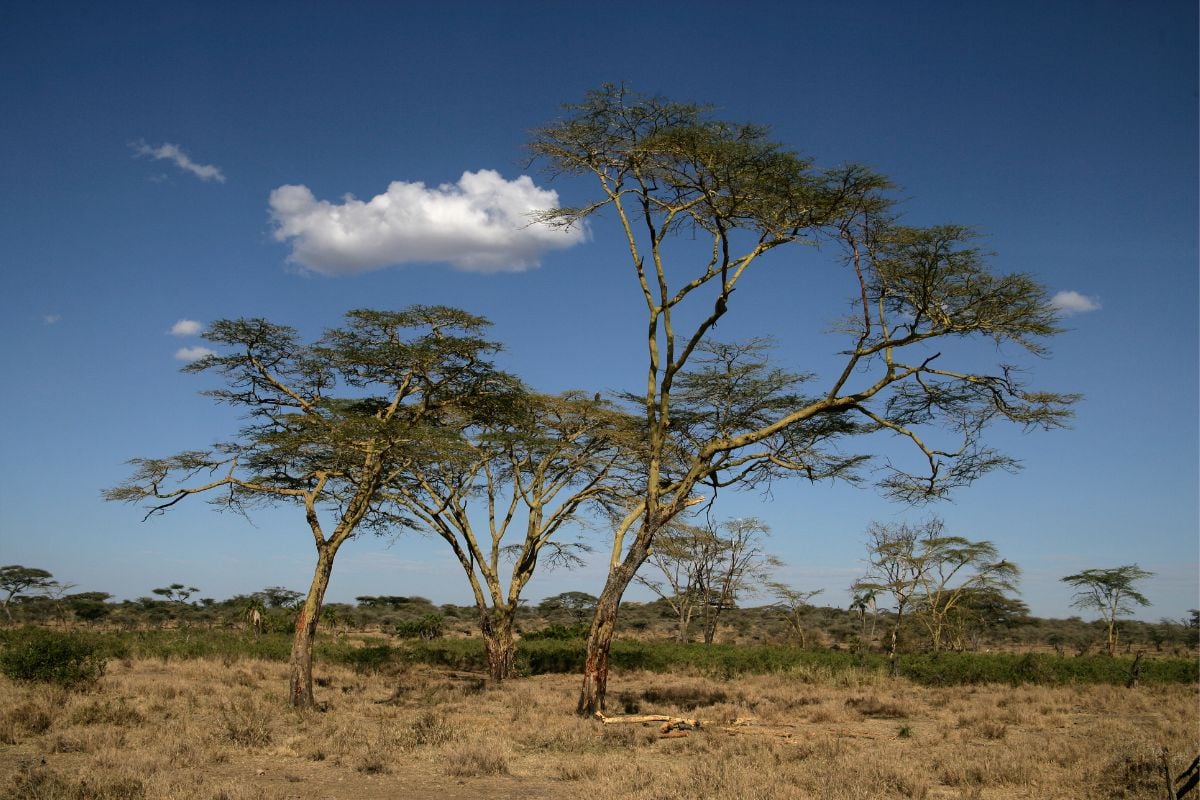
Near wet places, such as land along rivers, swamps and floodplains, you may come across a yellow fever tree.
In areas close to water, yellow fever trees are very common. These are tall, striking trees with broad branches and yellow bark that is easy to recognise.
That yellow bark is the reason the trees carry “yellow” in their name.
The “fever” in the name dates from a time when people believed the trees, not the nearby water, caused malaria.
These lovely trees are something you are almost sure to see on safari.
Baobab Tree
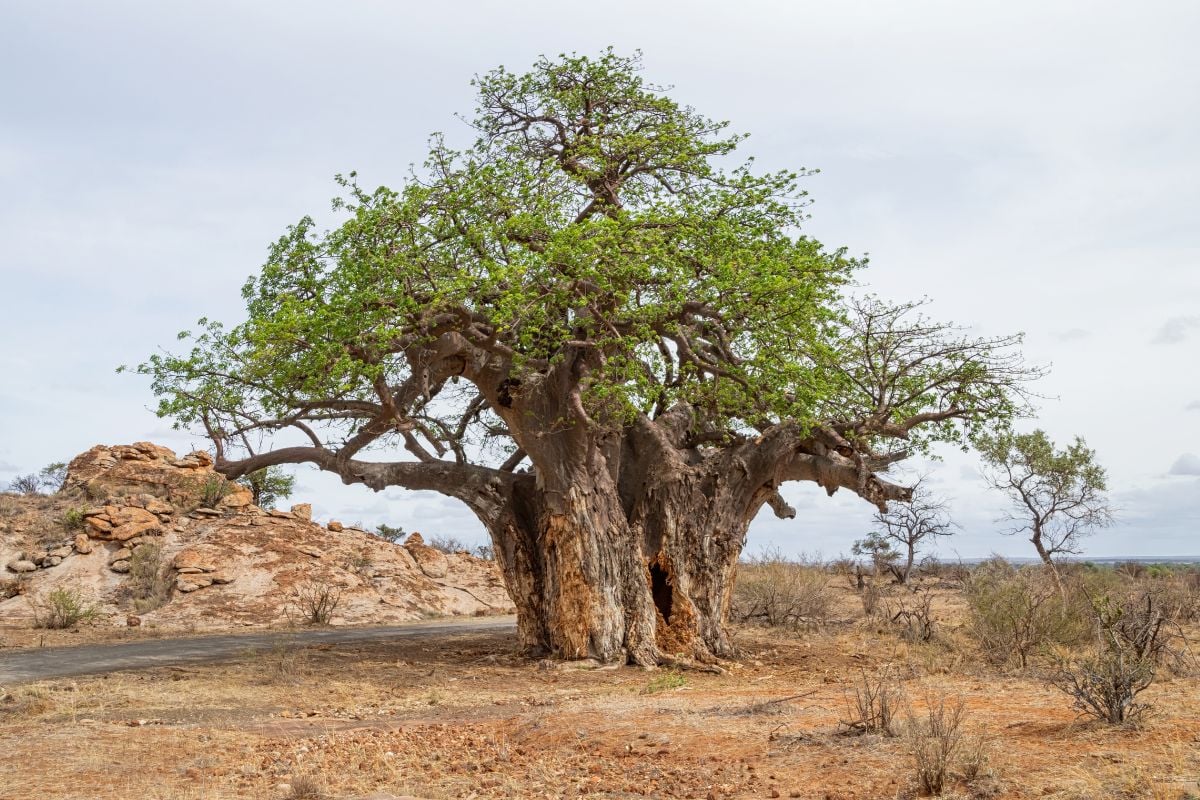
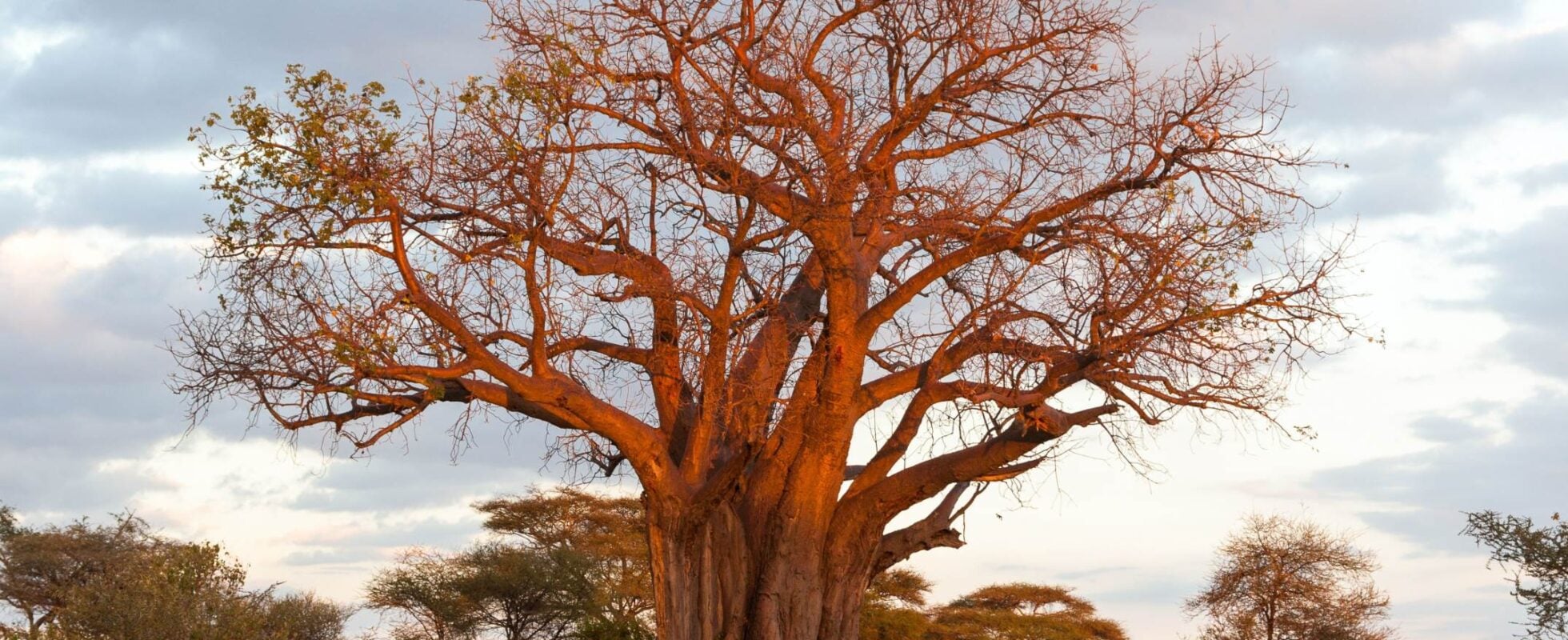
On your safari in Tanzania you might also come across the baobab tree. Over 9 species of baobab grow around the world, and the one found in Tanzania is the largest.
Their tangled branches look a lot like roots, which is why baobabs are fondly called upside down trees. On safari you will usually find them in hot, dry woodland.
These magnificent trees grow in several different parts of Tanzania, so you have a very good chance of seeing them on your safari.
Euphoria Candelabra
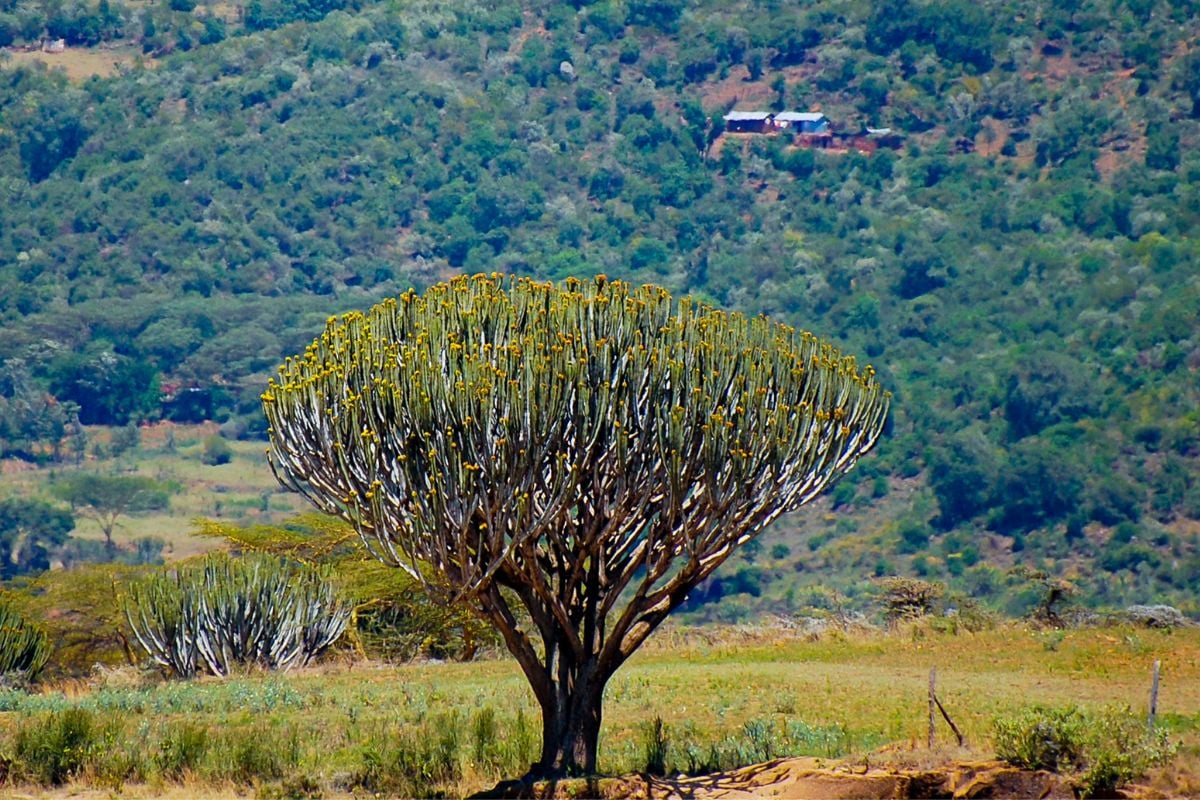
The euphoria candelabra is another very common Tanzania tree that you will see on safari.
It is a kind of succulent that grows in huge numbers in Tanzania.
Being succulents is what gives these trees their distinctive look.
On many trees the branches grow only near the top, but on the Euphoria Candelabra they begin at roughly 3 meters off the ground and carry on upwards.
As a rule these trees grow to roughly 12 meters in height, although there are a few recorded cases of them reaching more than 20 meters.
Pretty as they are, these trees are usually best avoided, because they give off a latex that is poisonous.
Contact with the latex can irritate your skin, so it is wise to admire these trees from a distance.
Wild Date Palm
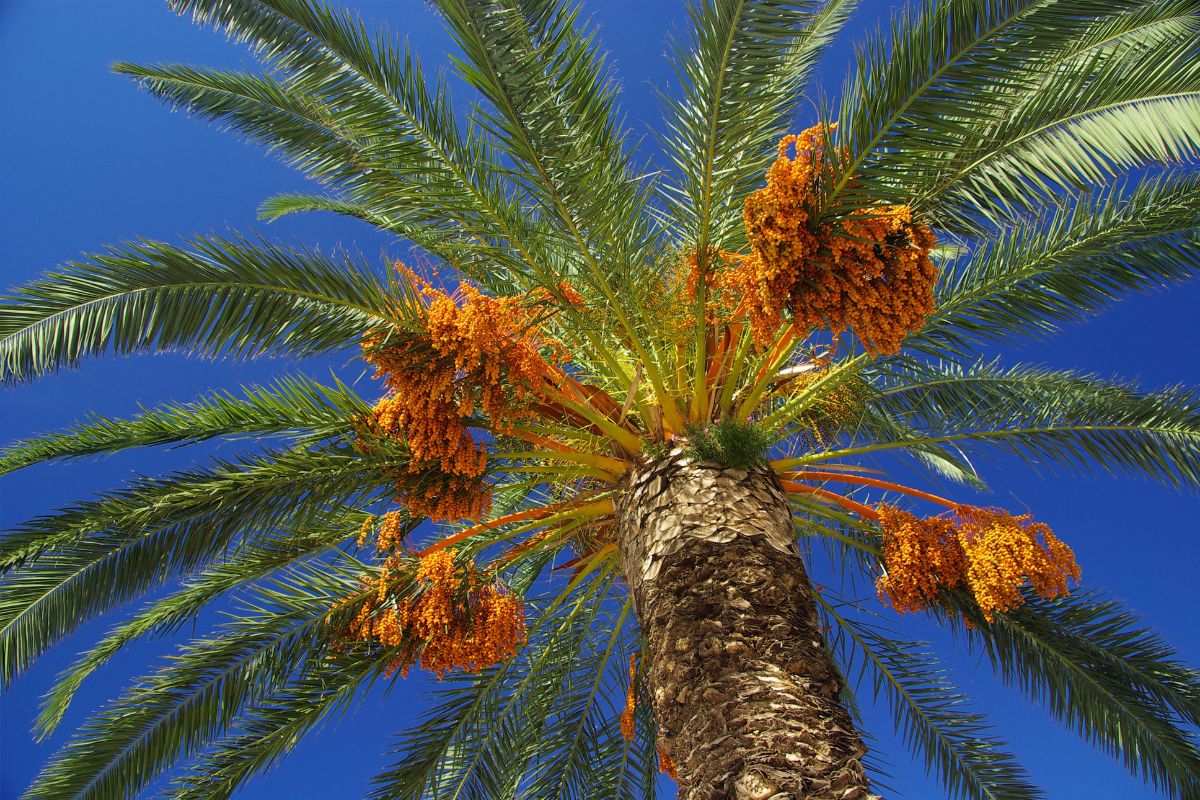
Staying with Tanzania trees that look unusual, the next one is the wild date palm (Phoenix Reclinata).
What makes this tree odd is that it grows in many different habitats.
It does not appear to need any one particular set of conditions; you will find it doing well in all sorts of places across Tanzania.
The trees usually reach a height of between 3 and 6 meters, and they often grow in clusters.
Seen from afar, they can look more like bushes than trees, purely because they grow so tightly together that the branches of neighbouring trees become intertwined.
The wild date palm produces fruit. You can eat the fruit, but it does not taste particularly good.
In many parts of Tanzania, the tree’s sap is used to make palm wine instead. You are very likely to see this tree on safari.
Acacia: Tanzania’s most common tree
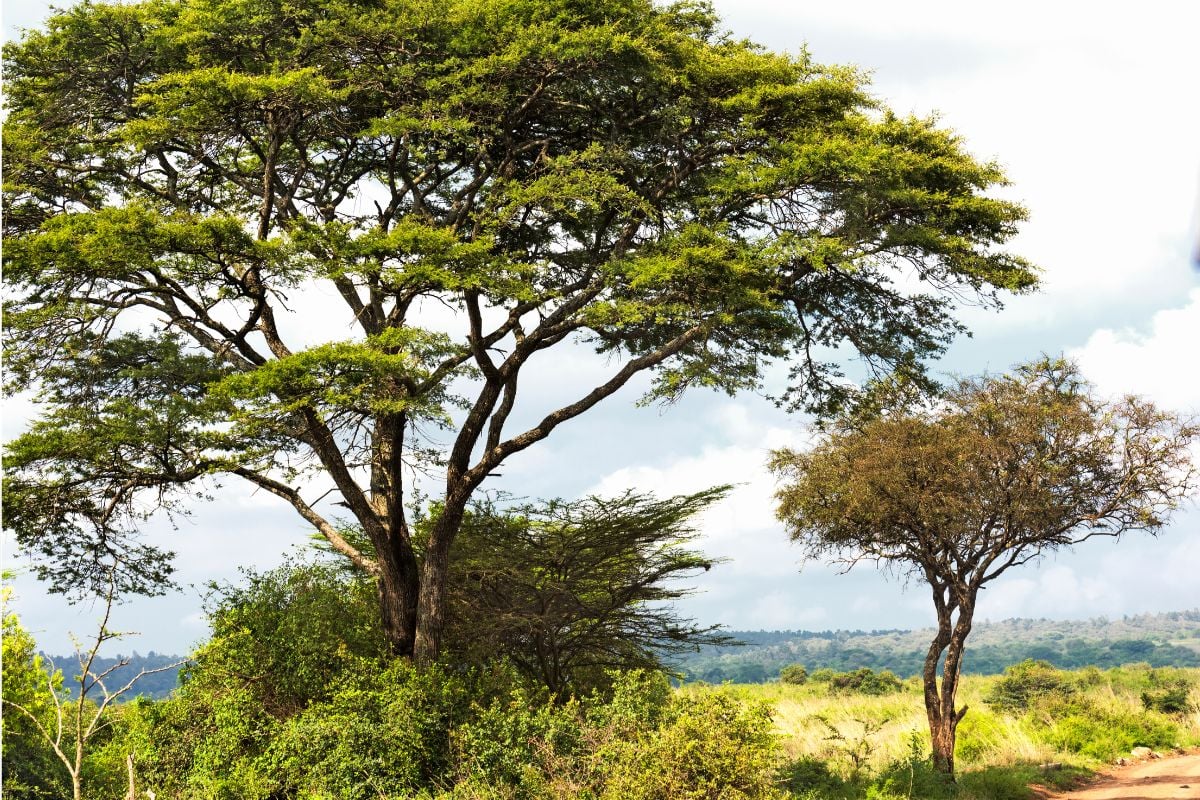
Of all the trees in Tanzania that you will see on safari, the acacia is probably the most common.
The acacia grows in many places across Africa, and it is best known as the main food source for giraffes.
In Tanzania acacia trees often grow in large numbers, and giraffes feed on their leaves and stems.
Think about trees in Tanzania and the acacia is the one that will instantly come to mind.
The acacia is closely linked with Africa and has appeared in many TV shows and films.
Wherever you go on the savanna, you will struggle to find a place where no acacia tree is growing.
Besides feeding giraffes and other animals in Tanzania, acacia trees also help keep the land stable.
They play an essential role in Tanzania’s ecosystem, which explains why there are so many of them in the country
Sausage Tree
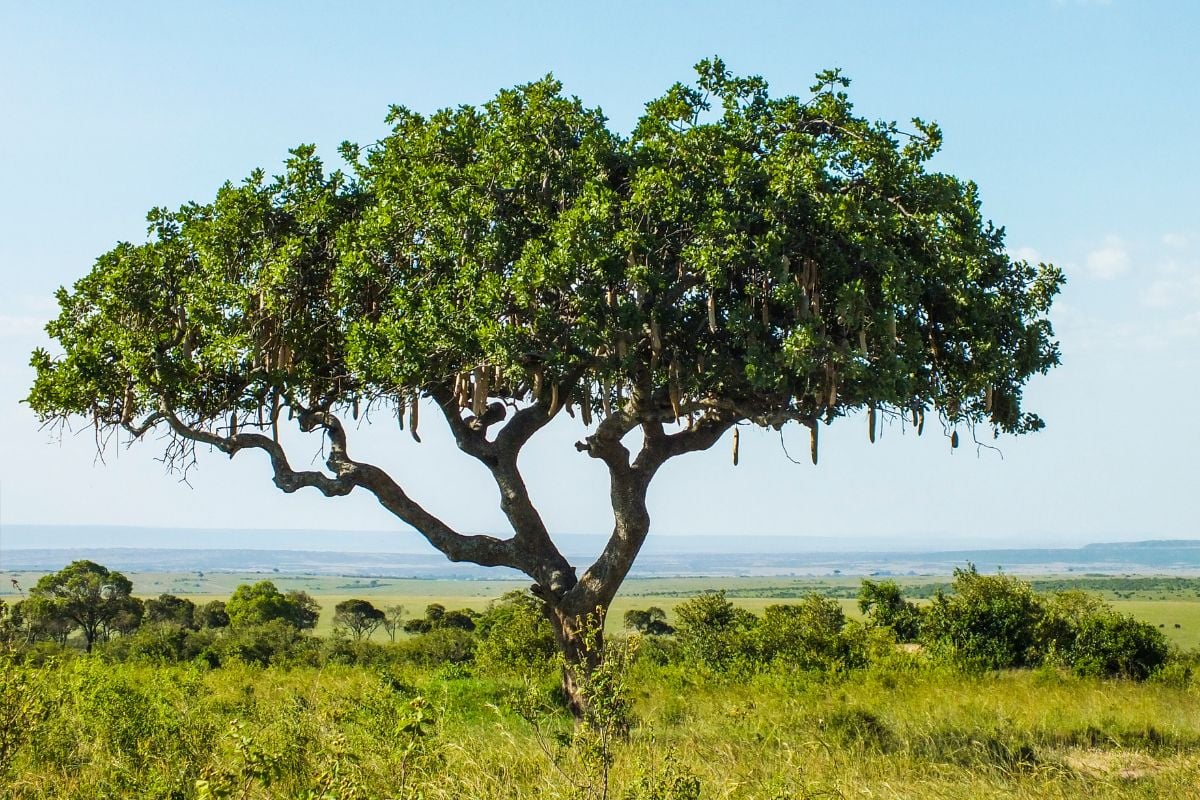
We realise this one may sound rather odd, but we are almost certain that you will come across a sausage tree during your safari.
The tree does not grow sausages, of course, but its flowers look a little like them, and that is where the name comes from.
Seen from afar, the tree is really beautiful. It is undeniably magnificent and often reaches around 20 meters tall.
These trees are wide as well as tall, which only makes them more beautiful. You will usually find them in the wet parts of sub-Saharan Africa.
This Tanzanian tree may look beautiful, but the fruit that grows on it does not smell pleasant.
The strong, unpleasant smell does serve a purpose, though: it draws in dwarf epauletted fruit bats.
The fruit bats pollinate the trees’ fruit, which helps it grow healthily.
Eating the fruit is poisonous, but it has been used successfully to create a range of skin products.
Strangler Fig
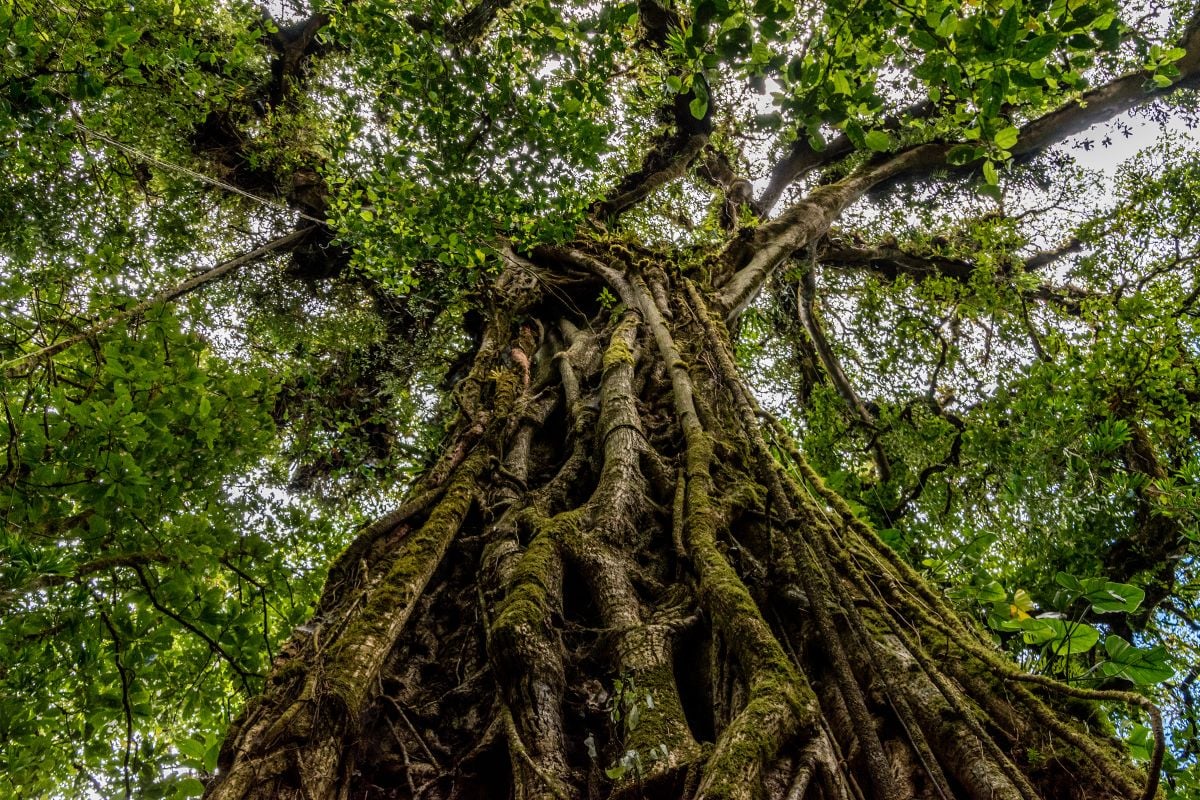
A number of Tanzania’s trees are among those that together make up the canopy in woodland on the Sahara.
Among the most common of them is the strangler fig.
It can reach anywhere from 6 to 21 meters tall, and its name comes from its aggressive way of surviving.
The strangler fig is a hemiepiphyte, which means the tree needs a host in order to grow.
Its seed drops from the canopy to the ground, and from there it grows on the host until the host dies.
At that point, the strangler fig takes the host tree’s place.
The way the strangler fig grows shows clearly that the circle of life affects plants as well as animals.
In Tanzania you will usually find this tree close to the rivers of the Serengeti.
Toothbrush Tree
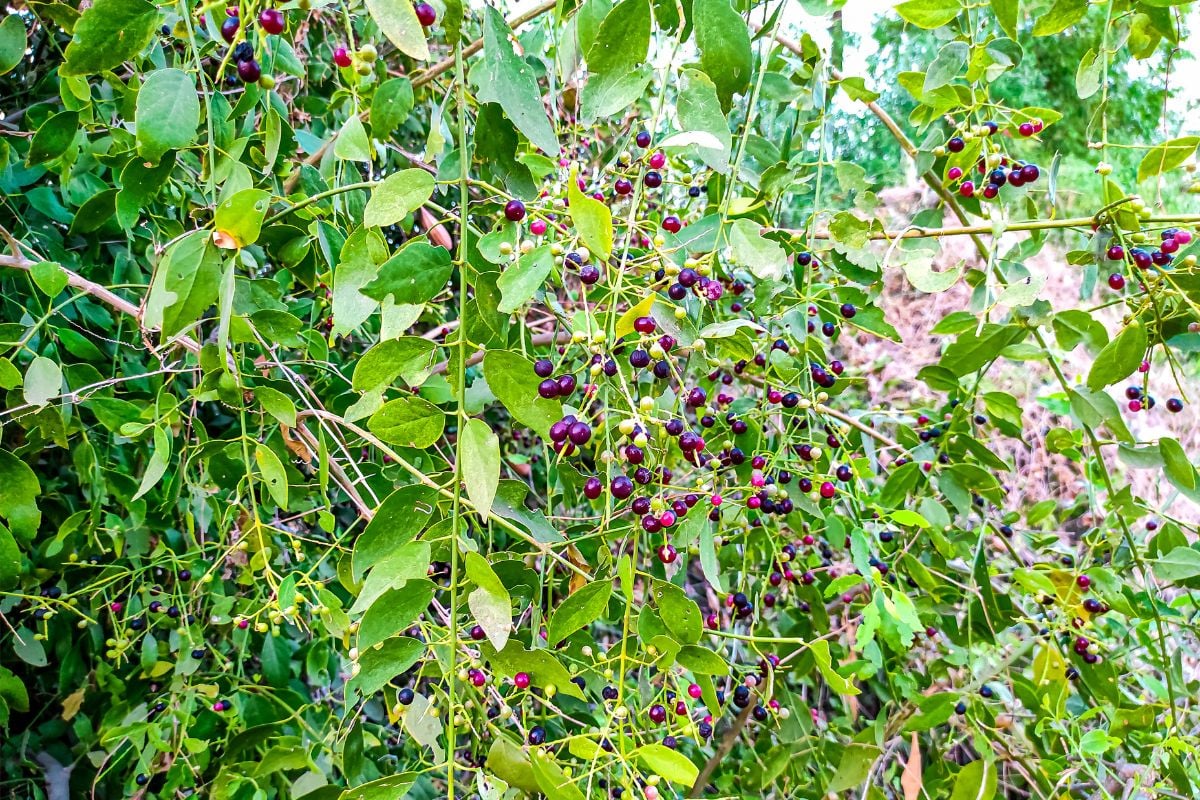
Picture a tree, and you will probably imagine a tall one, rising high above the plants and wildlife around it.
The toothbrush tree, however, is quite the reverse. Next to a person it will certainly look tall, but in reality it only reaches a height of about 4 to 6 meters.
Compared with most of the other trees in this guide, then, it is rather short. That height is exactly what makes it so easy to recognise.
The toothbrush tree does not owe its name to looking like a toothbrush.
Rather, it got this common name because in many areas it supplied the material for traditional toothbrushes (known at the time as tooth sticks).
Its value for dental hygiene has since been called into question, however.
The toothbrush tree is an evergreen shrub with a classic brown trunk and green leaves.
In Tanzania its leaves are often used to make medicine, and are even eaten as a salad.
On safari you will usually see the toothbrush tree standing out vividly against the desert.
Tanzania trees: a summary
In this guide we have looked at only a small selection of the common trees that you are likely to come across on a safari in Tanzania.
Tanzania is home not just to many beautiful animals but to plenty of magnificent wildlife as well. So keep your eyes open for these Tanzania trees on your trip.
Thank you for reading!