15 November 2026
When people compare Kilimanjaro offers, the differences can be large. It helps to know what you are actually paying for.
Park fees
A large part of every climb goes to Kilimanjaro National Park: daily conservation fees, camping or hut fees, a rescue fee and VAT. These are set by the park authority and are the same for every operator. Because they are charged per day, a longer route costs more in fees. That is one reason an eight-day climb is more expensive than six days.
The crew
A climber is usually supported by a lead guide, assistant guides, a cook and several porters. Fair wages, proper meals, warm clothing and safe loads for the crew cost money. This is where cheap operators most often cut corners. Read more in porter welfare on Kilimanjaro.
Food and equipment
Fresh food carried up the mountain, a mess tent, quality sleeping tents, a toilet tent, oximeters, a first-aid kit and emergency oxygen are part of a responsible climb.
Transfers and nights before and after
Airport pick-up, the drive to the gate and hotel nights in Moshi or Arusha before and after the climb are usually included in a full package. Check this when comparing.
What is not included
Usually flights, visa, travel insurance, personal gear, drinks in the hotel and tips for the crew are not included. Our tipping guide explains how tipping works.
Our prices
Prices depend on route, number of days, group size and season. We only quote a price after our local partner has confirmed it for your dates. Ask for a proposal and you will see exactly what is included.
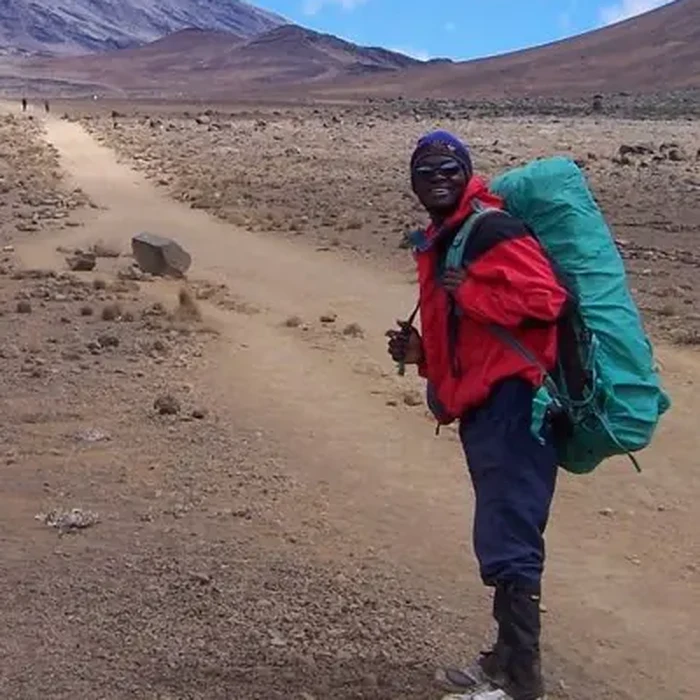
Cover photo: K15 Photos on Unsplash (Unsplash License). Illustrative photo; see our photo credits.