15 November 2026
Kilimanjaro is not technically difficult. What makes it hard is altitude. Above about 2,500 m there is less oxygen in every breath, and your body needs time to adapt.
Common symptoms
Mild acute mountain sickness (AMS) feels a bit like a hangover: headache, loss of appetite, nausea, poor sleep and tiredness. Most climbers feel some of this at some point. It usually improves with rest, fluids and time.
Warning signs
Serious forms of altitude illness are rare but dangerous. Signs include confusion, loss of coordination, extreme breathlessness at rest, a wet cough and severe headache that does not respond to painkillers. The answer is always to descend.
How to reduce the risk
- Choose enough days. The single biggest factor. See how many days you need.
- Walk slowly. "Pole pole" (slowly, slowly) is not a slogan, it is the method.
- Drink well. Around three to four litres a day.
- Climb high, sleep low. Routes like Lemosho and Machame have this built in.
- Talk to your doctor about medication such as acetazolamide before you travel.
What guides check
On a climb with our partner, guides check your oxygen saturation and pulse with an oximeter twice a day and ask about symptoms. Emergency oxygen is carried on every climb. If a guide advises you to descend, that decision is made for your safety. Read more about safety measures on Kilimanjaro.
Honest expectations
Nobody can predict exactly how your body will react. Fitness does not protect you, and age is not a barrier in itself. Giving yourself time is the best thing you can do. Plan your climb with enough days.
This article is general information and not medical advice. Always consult a doctor or travel clinic.
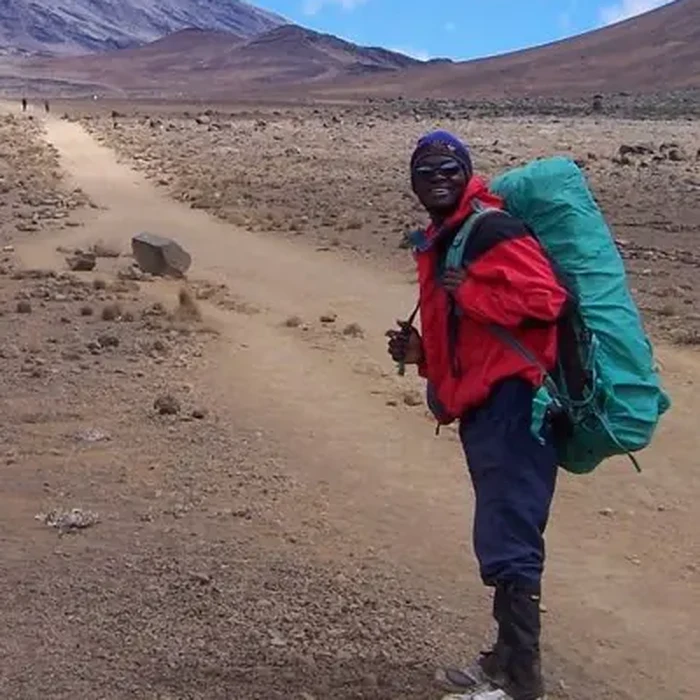
Cover photo: Nichika Sakurai on Unsplash (Unsplash License). Illustrative photo; see our photo credits.