
24 March 2023
Located in the great lakes region of Africa, Tanzania ranks among the biggest countries on the planet. Its scale and variety make it one of the most remarkable wildlife havens anywhere. Even so, don’t forget to watch for the many lovely flowers of Tanzania as well!
When you travel to Tanzania, it is well worth taking in the stunning scenery and the huge range of animals and plants that surround you.
So which flowers of Tanzania are the prettiest? And which ones matter most to look for? If those questions are on your mind, you’ve found the right article.
In this article we take you through a list of 11 of the most beautiful flowers that are worth looking out for during your trip.
For each one we explain briefly how you can recognise it and where you are likely to come across it.
At the end you will also find a short Frequently Asked Questions section that covers any remaining questions you might have.
So let’s get right into it!
Top Tanzanian Flowers
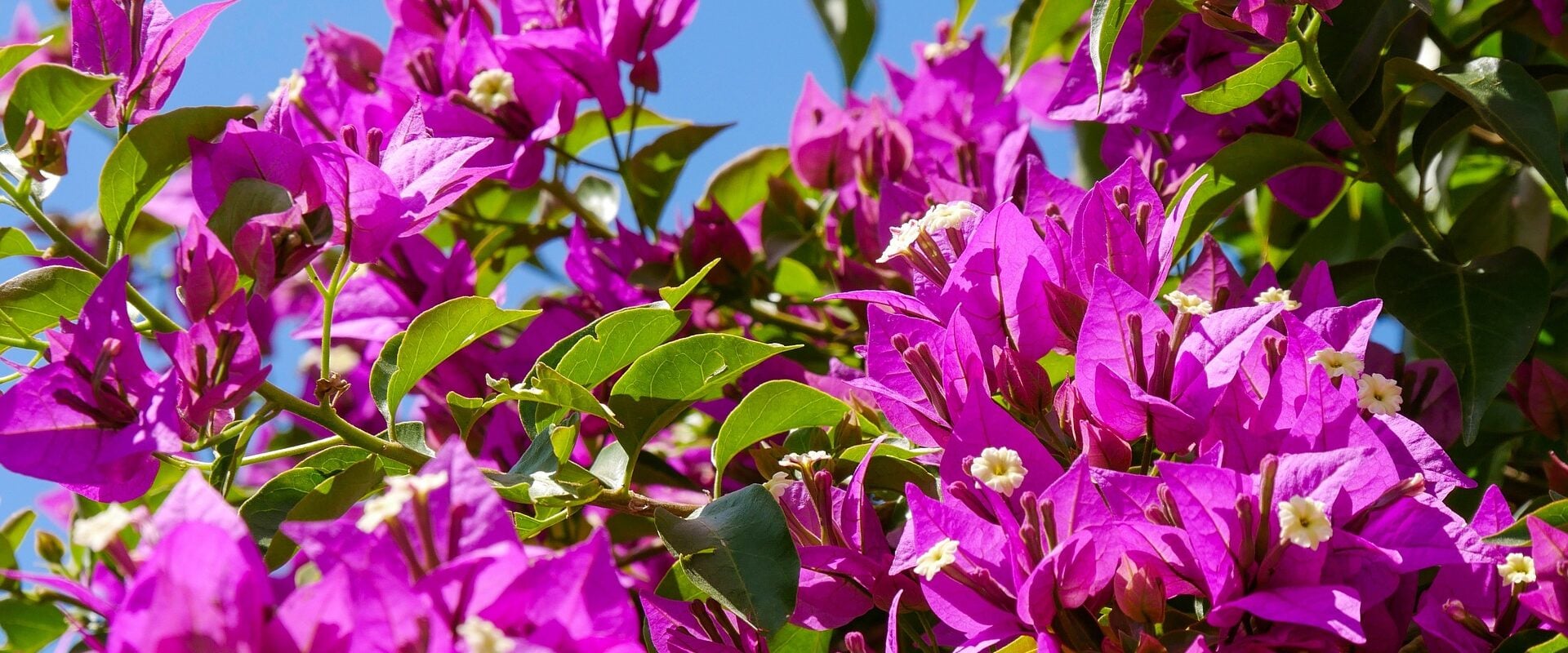
Bougainvillea
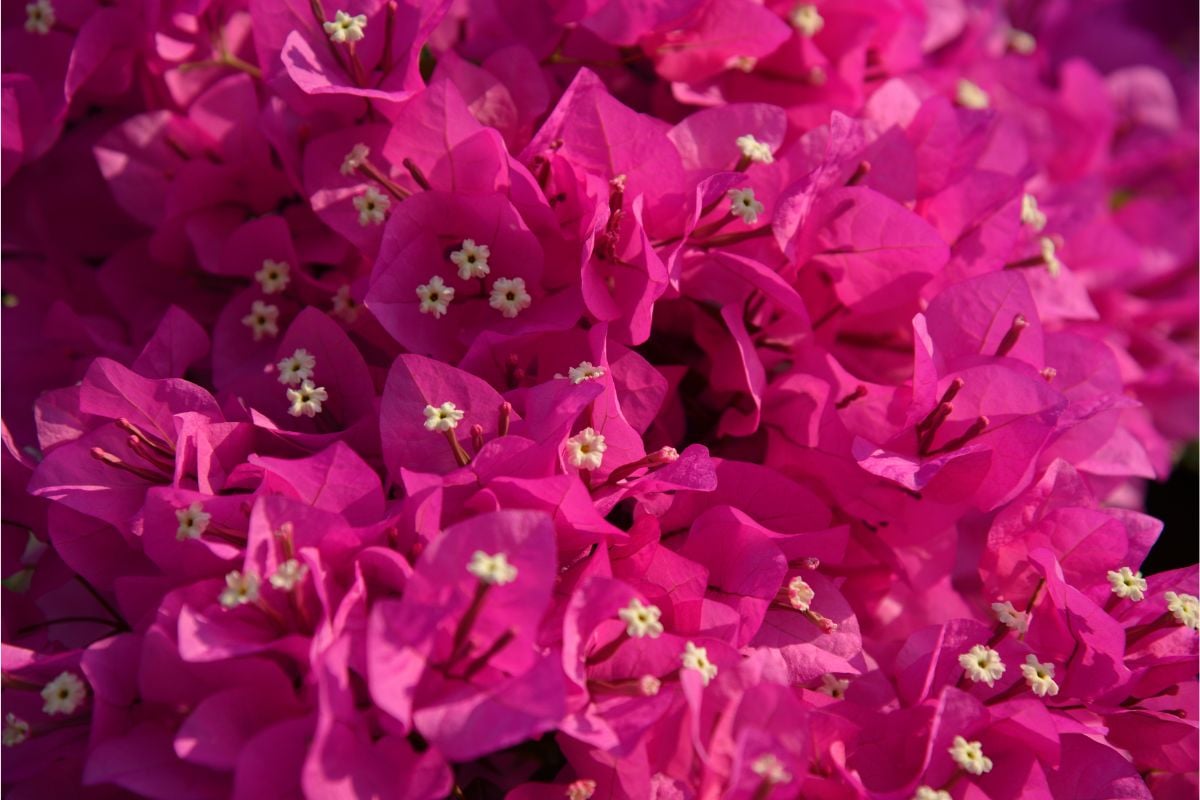
We start with a lovely pink flower that grows in many parts of East Africa.
The original genus comes from South America, but in the early 20th century numerous hybrids were bred and brought to East Africa.
Usually planted in spring, they bloom from summer through to autumn, and gardeners love them for how versatile they are.
Across the country you will most often spot them trailing over garden walls or growing in plant pots.
Worth knowing about Bougainvillea: the pink part you see is not really its flower, which is in fact a smaller white bloom in the middle of the petal.
Those pink parts are really bracts (meaning a modified leaf or scale). The tiny white flowers are easily overshadowed by the bright colour of the leaves around them.
Hibiscus Schizopetalus
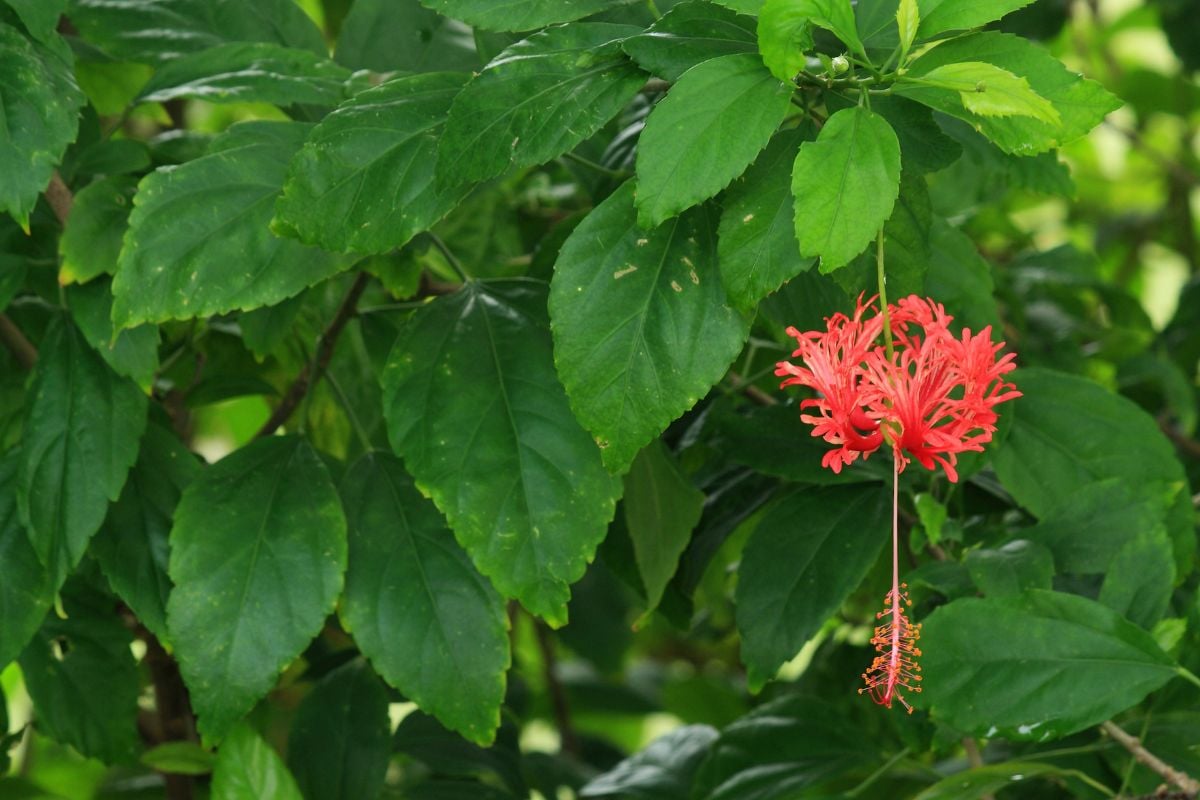
Our next pick is an unusual yet stunning flower that grows naturally in several parts of tropical East Africa, among them Kenya, Mozambique and Tanzania.
Its Latin name is long and hard to pronounce, so most people call it ‘Coral Hibiscus’ or ‘Japanese Lantern’ instead.
The Hibiscus Shizopetalus usually grows as a shrub with striking red and pink flowers. Look for Hibiscus Shizopetlus mainly in very sunny spots, because it needs more than six hours of sunlight a day.
Jacaranda Mimosifolia
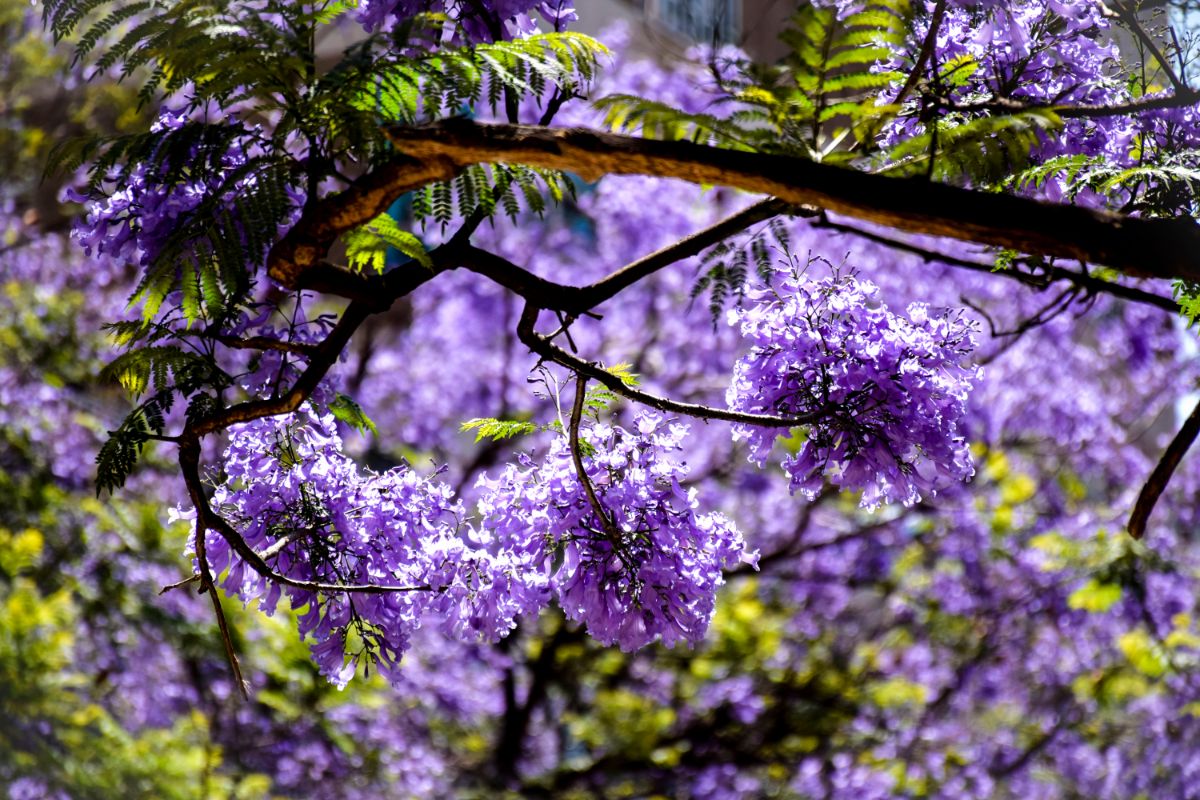
After that comes the lovely jacaranda mimosifolia, a subtropical tree famous for its hardy and gorgeous violet blossom.
In lots of respects a jacaranda resembles any other African tree, yet its bright blossom makes it easy to pick out.
It was this beauty that saw the tree carried to other parts of the world in the early 20th century. Australia’s first jacaranda was loved so much that it became the subject of a painting.
Calophyllum Inophyllum
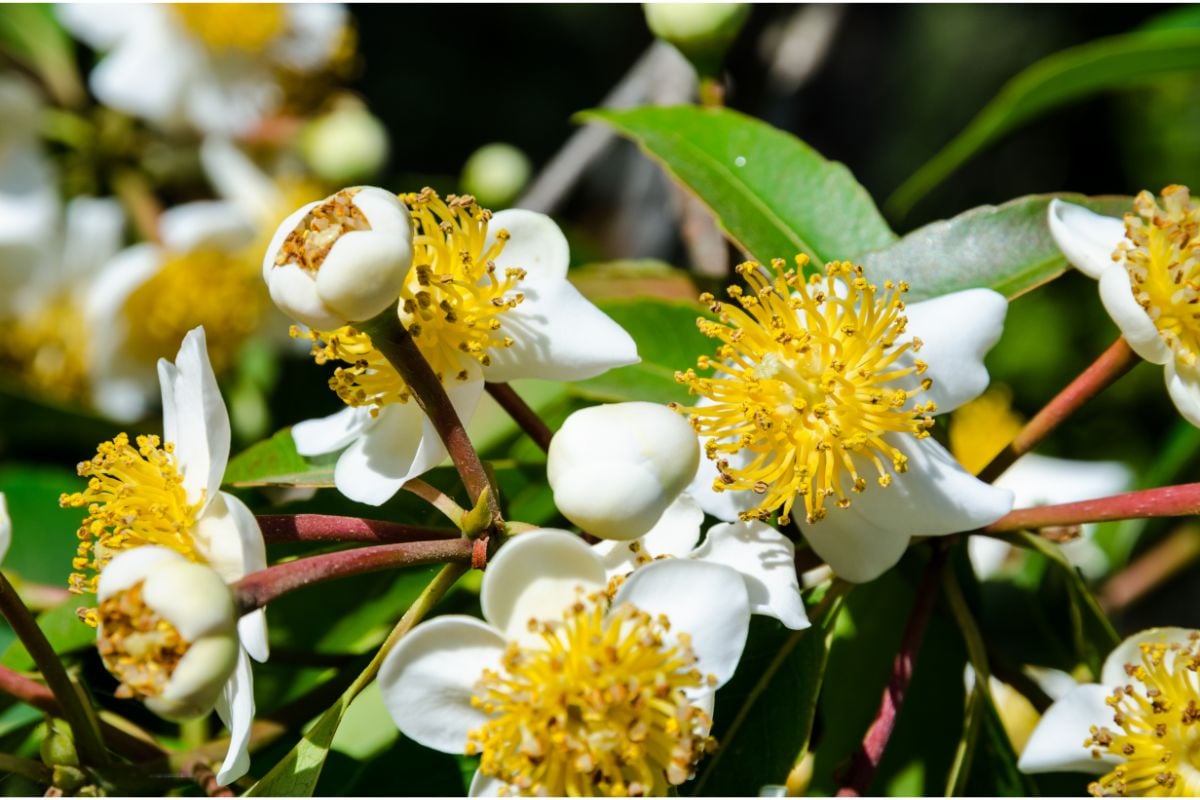
Here is another plant from subtropical regions with bright, distinctive flowers. You will more often hear it called Tamanu, Mastwood, Beach Calophyllum or Beautfyleaf.
It flowers in two separate periods, from October to December and from April to June. The white flowers rise above its thick leaves and small white stalks that look like bulbs.
Commelina Lukei
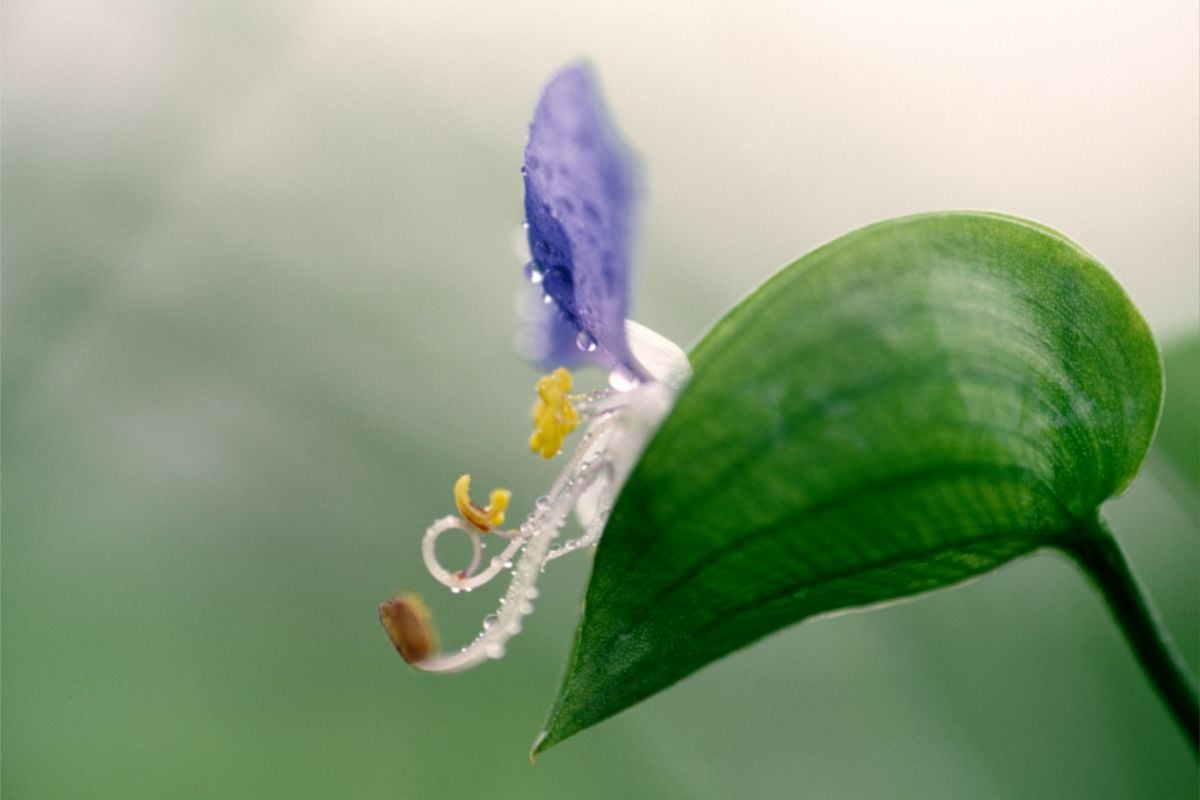
Next is another dayflower that grows widely in various parts of central East Africa. It is most common in the lowlands of Tanzania, the Zanzibar Archipelago included.
That said, it also grows in other settings, such as forests and dense grassland.
Although it is a separate plant, people often mistake it for other Commelina flowers, and telling them apart can be tricky. The Commelina Lukei is recognisable by its pale blue flower with bright yellow tips.
Commelina Mascarenica
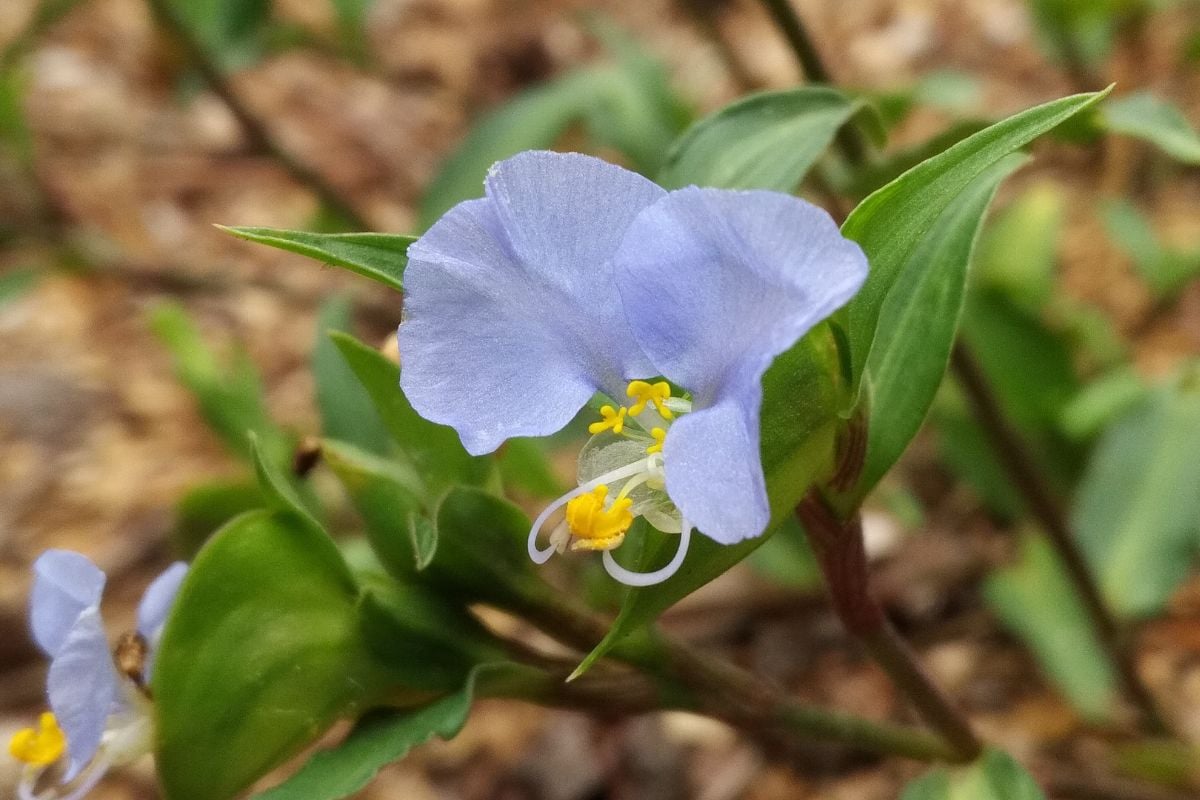
This flower closely resembles the Commelina Lukei, except that its flowers are a lot smaller, which is how you can tell it apart.
Unless you know both well, spotting the difference may be difficult, but whenever you see a plant with these traits (distinctive pale blue flowers with yellow tips), you will know it belongs to the Commelina flowers.
Golden Dewdrops (Duranta Erecta)
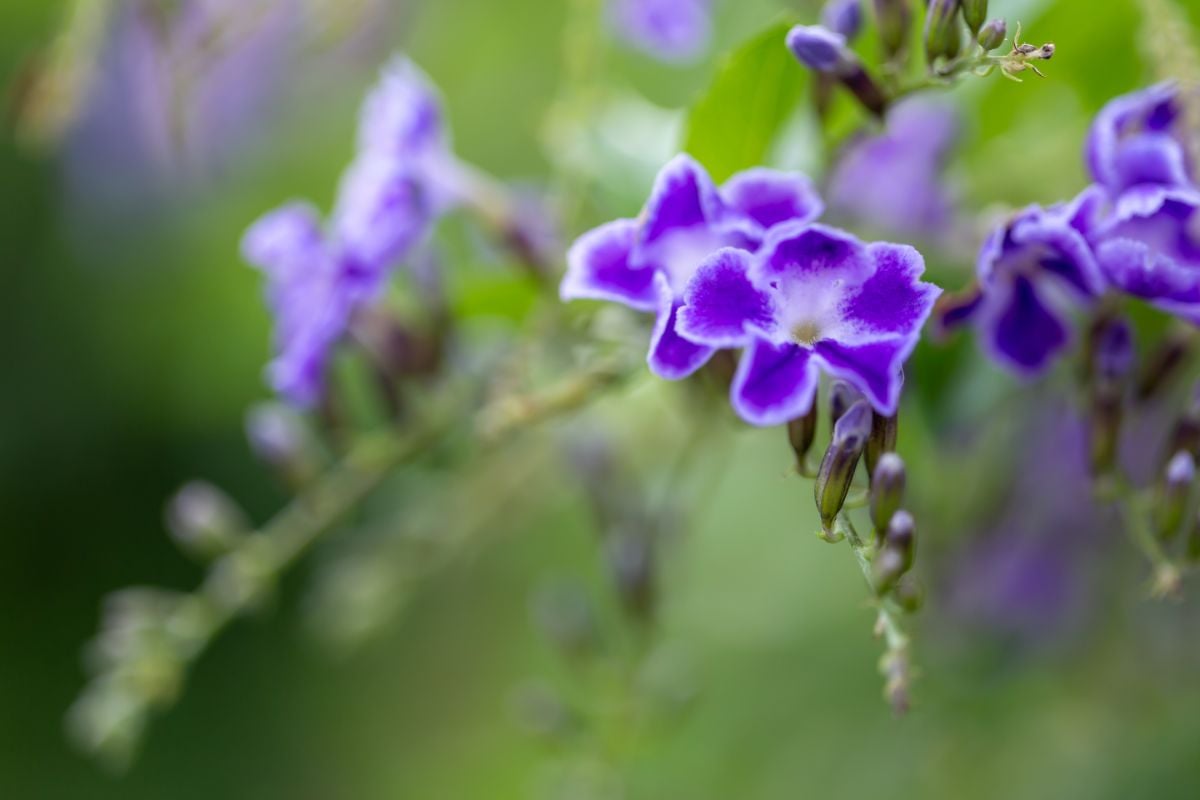
Here is one more ornamental shrub you will see often in Tanzania. It grows mostly in subtropical gardens, where people love it for its thick leaves and pale blue flowers.
It spreads easily and is regarded as a weed in many parts of the world. Don’t be misled by that, though: it’s a beautiful plant, and you can find it right across Tanzania.
It also goes by the name ‘skyflower,’ a nod to its pale colour.
Frangipani (Plumeria)
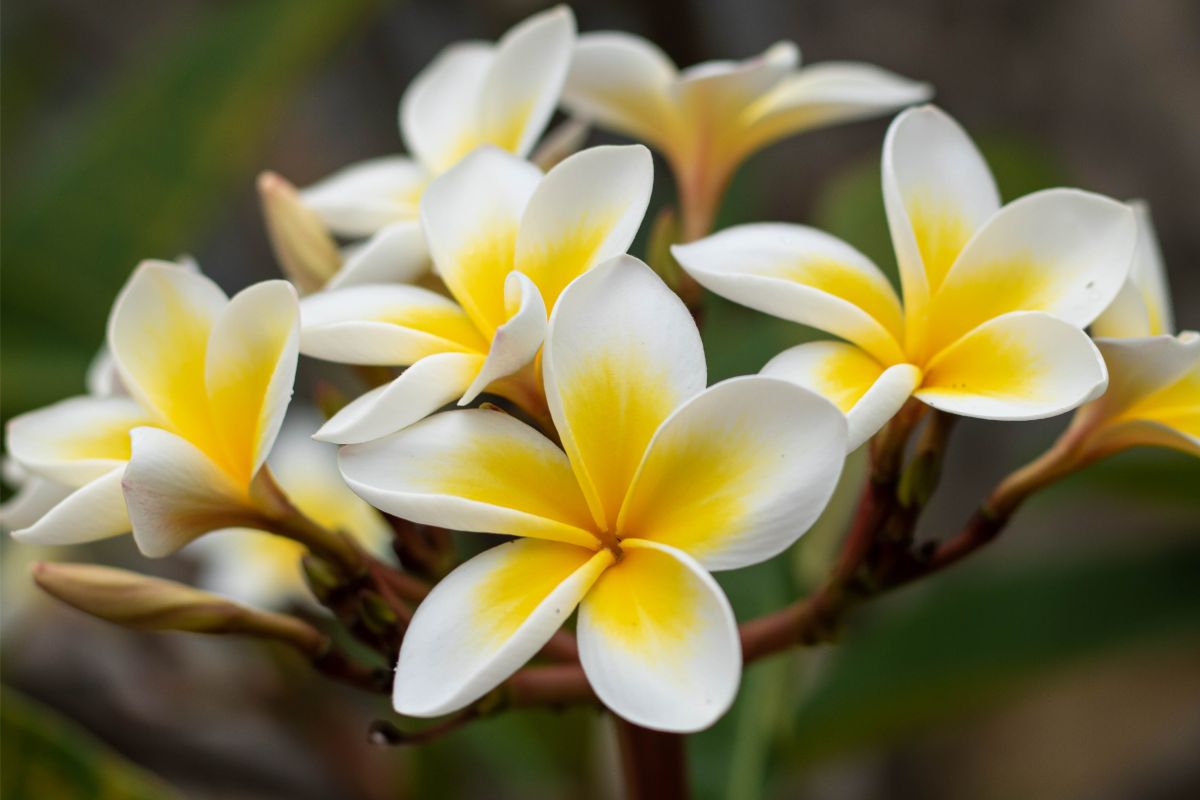
Our next flower is one of the best loved in East Africa. Frangipani, also called Plumeria, grows widely.
Plumeria belongs to the Rauvolfiodeae subfamily, part of the larger Apocynaceae plant family. It grows in many warm regions of the world and comes in lots of varieties.
In East Africa (Tanzania included), Frangipani is pink or white, and the easiest way to recognise it is by its large petals with a centre in a different colour.
Much as the rose appears in European poetry, Frangipani often serves as a symbol in all kinds of East African love poems.
Impatiens (Impatiens Walleriana)
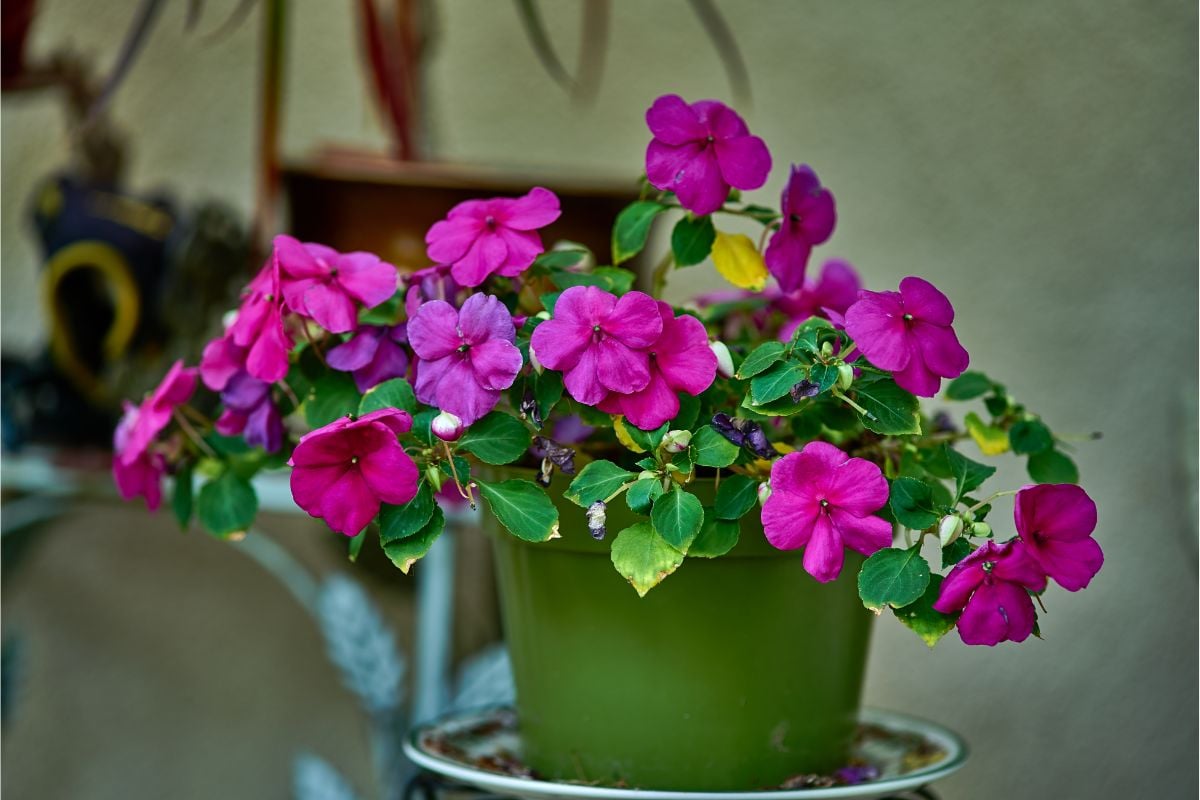
The next flower stands out for its thick petals and bright colours. It comes in white, bright red, orange and pink.
This is one of the flowers on our list that comes from Tanzania itself, and it blooms from late spring right through to mid-autumn. It grows mainly in sunny spots and is often known as African Hornesa.
Adenium Obesum
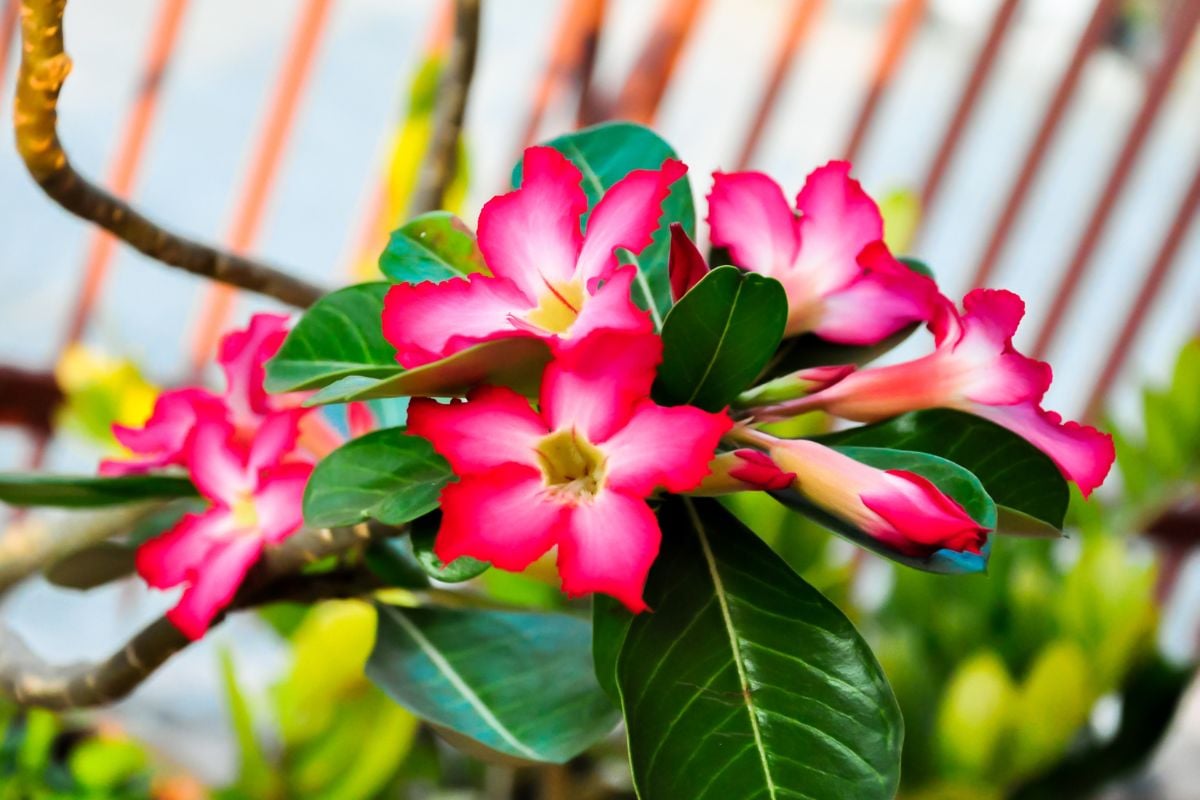
An adenium’s flower looks quite like the impatiens described above. It is most often grown in greenhouses throughout East Africa.
It blooms in June, July and August, and you can identify it by its pink petals with a white centre. As it also grows on the Arabian Peninsula, it is widely known as the ‘desert rose.’
It copes with very hot, dry conditions, even in fierce sunlight.
Syzygium Aromaticum (Cloves)
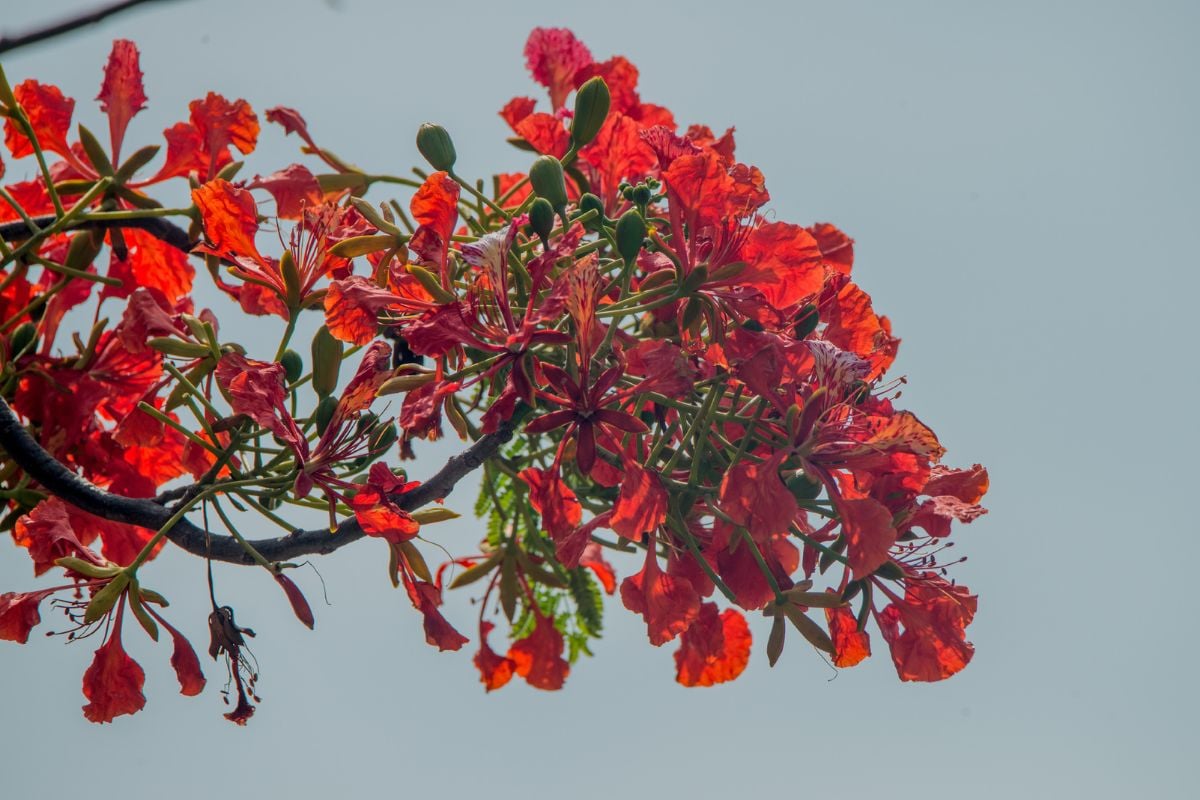
Syzgium Aromanticum, called Cloves in English (and Mikarafuu in Swahili), is Tanzania’s national plant and grows widely throughout the country.
You can identify it by its slim stalks, narrow green leaves and red flowers. These thick flowers have bulb-shaped petals that grow up above the plants’ leaves.
Final Thoughts
That completes our list of 11 beautiful flowers to watch for as you travel through Tanzania or elsewhere in East Africa.
If this is your first time travelling in Africa, the range of colourful flowers you come across is sure to amaze you.
A few of the flowers on our list take some extra searching, while others are obvious and simple to spot.
We hope our list has given you a clear picture of the kinds of flowers you can expect to come across throughout Tanzania.
If you would like to know more about them, we suggest talking to local people, who are sure to have plenty of useful knowledge to share!
Do you still have a few questions? Then read on for our detailed Frequently Asked Questions section below.
Frequently Asked Questions
What Is The Climate Like In Tanzania?
To begin with, keep in mind that Tanzania is a big country and the climate varies somewhat from place to place. On the whole, though, it stays pleasantly warm throughout the year.
Along the tropical coast it is very humid, with regular spells of rain. The further inland you go, however, the drier it becomes. That is one reason why you can find such a wide range of flowers.
How does a tropical climate differ from a subtropical one?
We call a climate tropical when it has dense heat and frequent heavy thunderstorms. In a tropical climate, plants and animals usually receive plenty of rain.
Subtropical systems, by contrast, are a mix: they have dry spells as well as times of heavy rainfall. Both types occur in Tanzania, depending on which part of the country you are in.
This partly explains the differences in the flowers and plants you see around the country, and why Tanzania is home to many flowers that did not originally grow there.