
23 November 2021
An African safari is something you certainly won’t forget, and strong safari photography lets you pass that incredible experience on to family and friends. The pictures you take on safari are, in fact, among the best ways to share the trip with the people you love. So it makes sense to do everything you can to come home with the best possible photos.
In this article, travel blogger and photographer Josh of the Wanderlust Travel and Photos Blog shares some of the most useful tips and tricks he has picked up over many years of photographing landscapes and wildlife. “Follow these tips and I can promise you will come away with some truly memorable photographs to treasure for the rest of your life,” Josh says.
1. Safari photography basics: the right camera gear
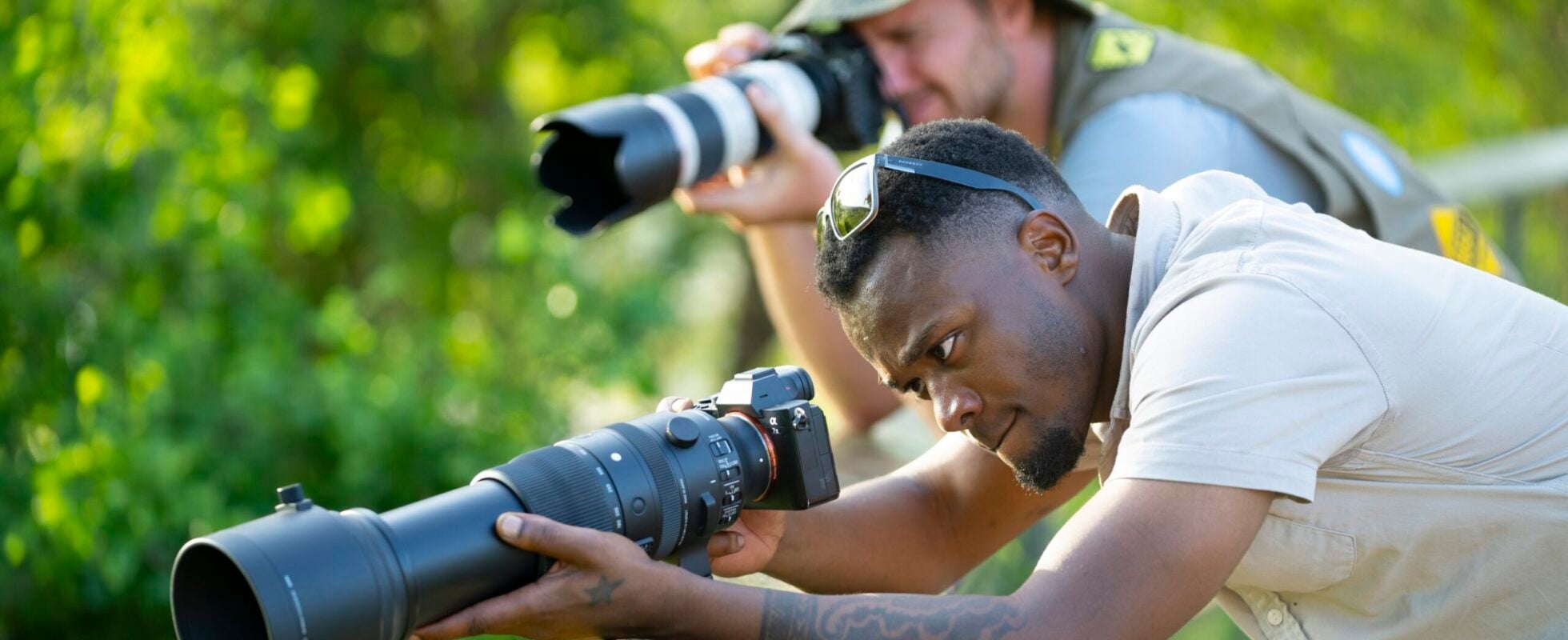
Bringing the right camera equipment is one of the simplest ways to get better safari photographs. On safari you spend a good deal of time inside a vehicle, photographing animals that are outside it. That makes safari photography quite unlike most other kinds of photography you may have tried.
With the right gear you will be more comfortable, your camera will be better protected and your photographs will be more striking. If you want to find out which types of photography equipment I suggest taking on safari, have a look at my Safari Photography Guide.
2. Shoot in shutter priority with a fast shutter speed
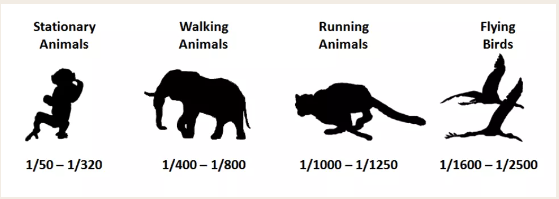
This step really matters. Unless you intend to photograph something that does not move, such as a landscape, set your camera to “Shutter Priority” mode. If your camera doesn’t offer a Shutter Priority mode, choose “Action Shot” or whatever your camera’s equivalent is called. This lets you freeze the movement of the animals in front of your lens. If you don’t change this setting, your pictures will come out blurry.
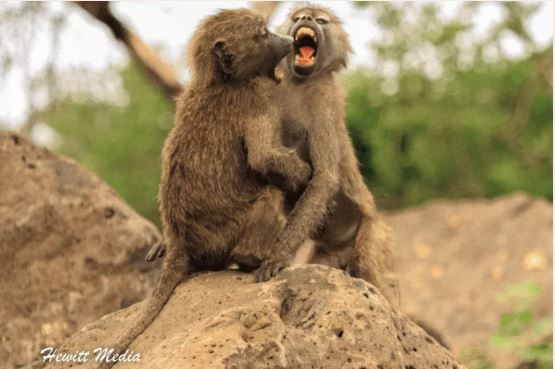
In Shutter Priority mode you choose the shutter speed yourself, and the camera then picks the aperture that gives the best exposure. If shutter speed and aperture are new concepts to you, my article on shooting in low light explains them in more detail.
In short, by changing how quickly the camera takes the picture (the shutter speed) you can freeze the motion of the animals you are photographing. The right shutter speed depends on which animal you are shooting and what it is doing at that moment. Take a buffalo standing still and grazing: here I can comfortably use a shutter speed somewhere between 1/50 and 1/320 of a second without any motion blur. A cheetah at full sprint, on the other hand, calls for a far faster shutter speed of 1/1000 to 1/1250 of a second.
3. Apply the rule of thirds for better safari photographs
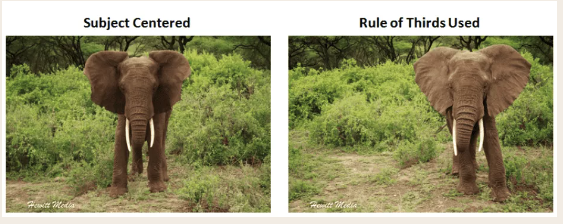
When it comes to framing your photographs, one of the most valuable tips is the Rule of Thirds. It is a useful general photography principle that comes into its own when you are photographing wildlife on safari. Rather than placing the animal in the centre of every frame, try composing your shots with the animal to the left or right of centre. Shots composed this way are far more interesting to look at.
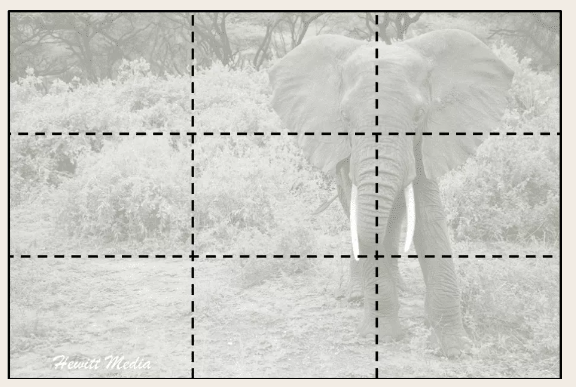
In the example below you can see two photographs of the same elephant, which we came across on safari in Lake Manyara National Park in Tanzania. For the left-hand shot I placed the elephant right in the middle of the frame. For the right-hand one I applied the Rule of Thirds and put the elephant in the right third of the picture. Decide for yourself which of the two is more pleasing to the eye.
4. Focus on the Eyes
If you remember just one tip from this article, I hope it’s this. The golden rule of wildlife photography is to focus on the animal's eyes every single time. Rather than firing off lots of frames the moment you spot an animal, wait until it turns towards you. Then make sure the eyes are in focus.
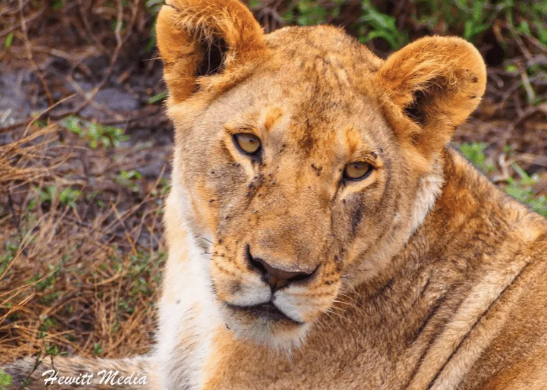
When the animal’s eyes are sharp, the viewer gets the feeling that the animal is gazing out of the photograph, straight at them. Such pictures are far more compelling than those in which the animal is looking elsewhere, and this matters most of all in a close-up. That is exactly what I did in this shot of a lioness in the Serengeti National Park. It calls for a bit of patience, but focusing on the eyes is the single most effective thing you can do to make your safari photographs more memorable.
5. Always Have Your Camera Ready
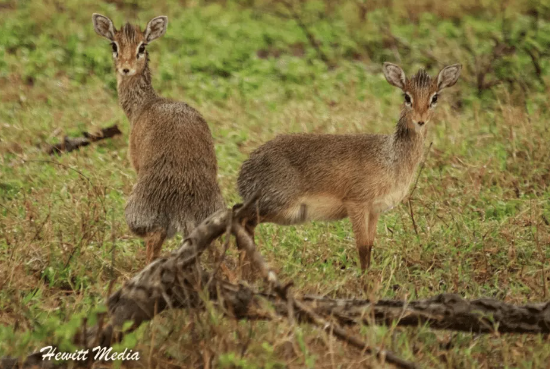
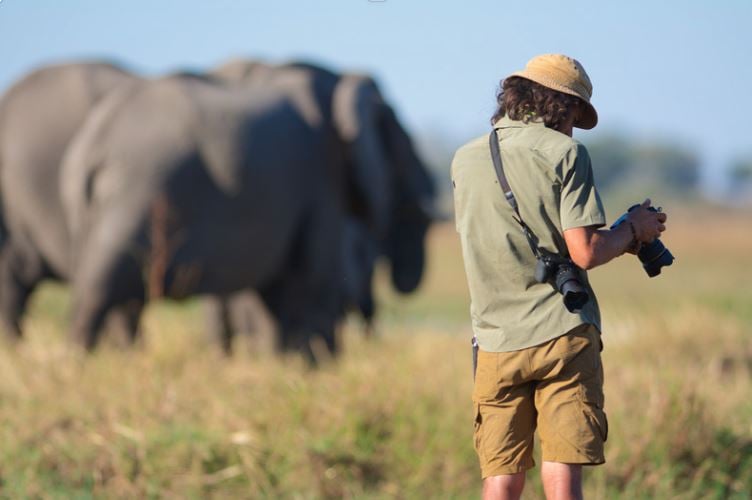
My final safari photography tip is simple: keep your camera ready at all times while on safari. You can never tell which animals are waiting around the next bend or what might appear beyond the next ridge. If your camera isn’t ready, the wildlife shot of a lifetime may pass you by. I only managed to capture this charming photo of two dik-diks in the Serengeti looking straight at me because my camera was ready the moment we spotted them. A few seconds later they had bolted.