
19 December 2022
The cheetah is a remarkable big cat, famous for being the fastest land mammal on the planet.
Tanzania is home to a cheetah subspecies called the East African cheetah, which roams the country’s savannahs and grasslands.
This article covers all you need to know about the East African cheetah: where it lives, what threatens its survival and which conservation measures are being taken to safeguard it.
Physical Characteristics
An East African cheetah weighs somewhere between 69.9 and 74.8 kilograms (154 and 165 pounds), with a head-and-body length of roughly 1.1 to 1.4 metres (3.6 to 4.5 feet). Males are usually bigger than females.
The East African cheetahs in Tanzania tend to be slightly longer yet lighter. Their weight ranges from 49.9 to 59 kilograms (110 to 130 pounds) and their length from 2 to 2.2 metres (6.6 to 7.2 feet).
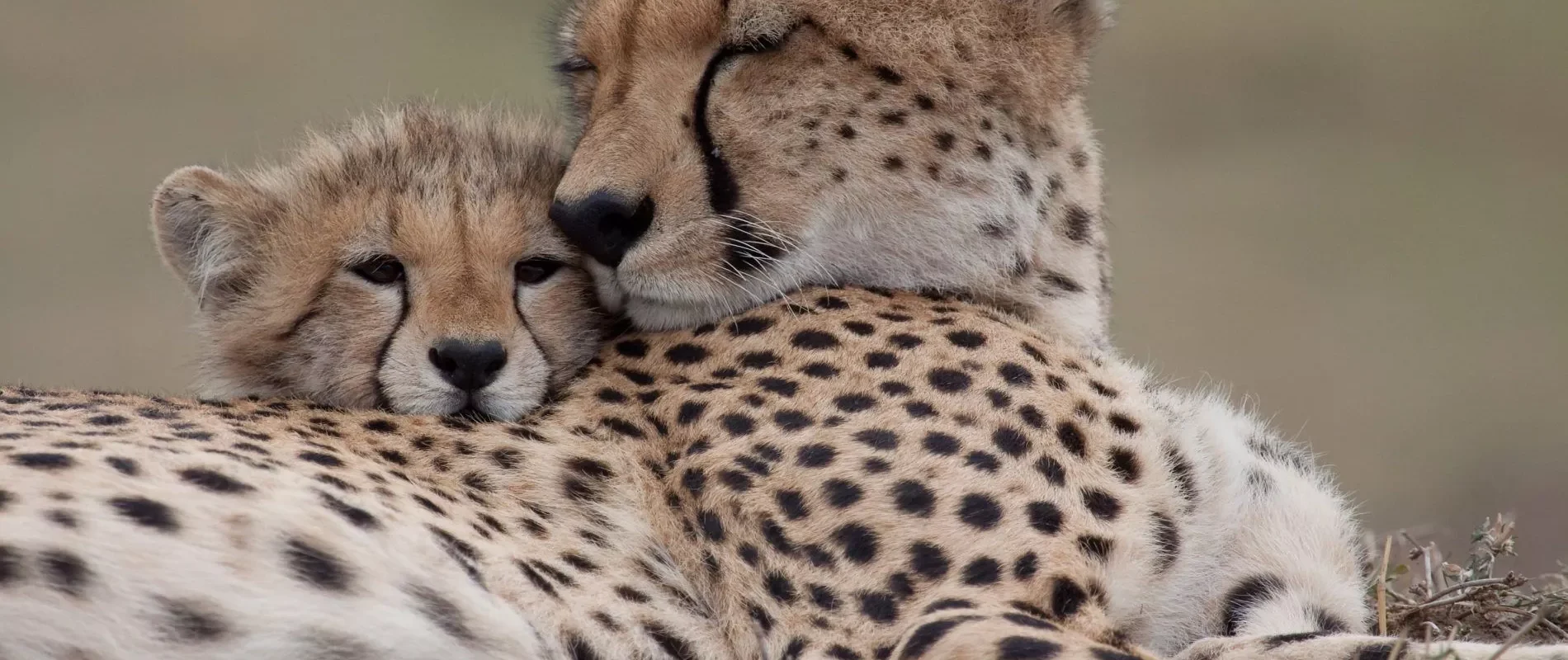
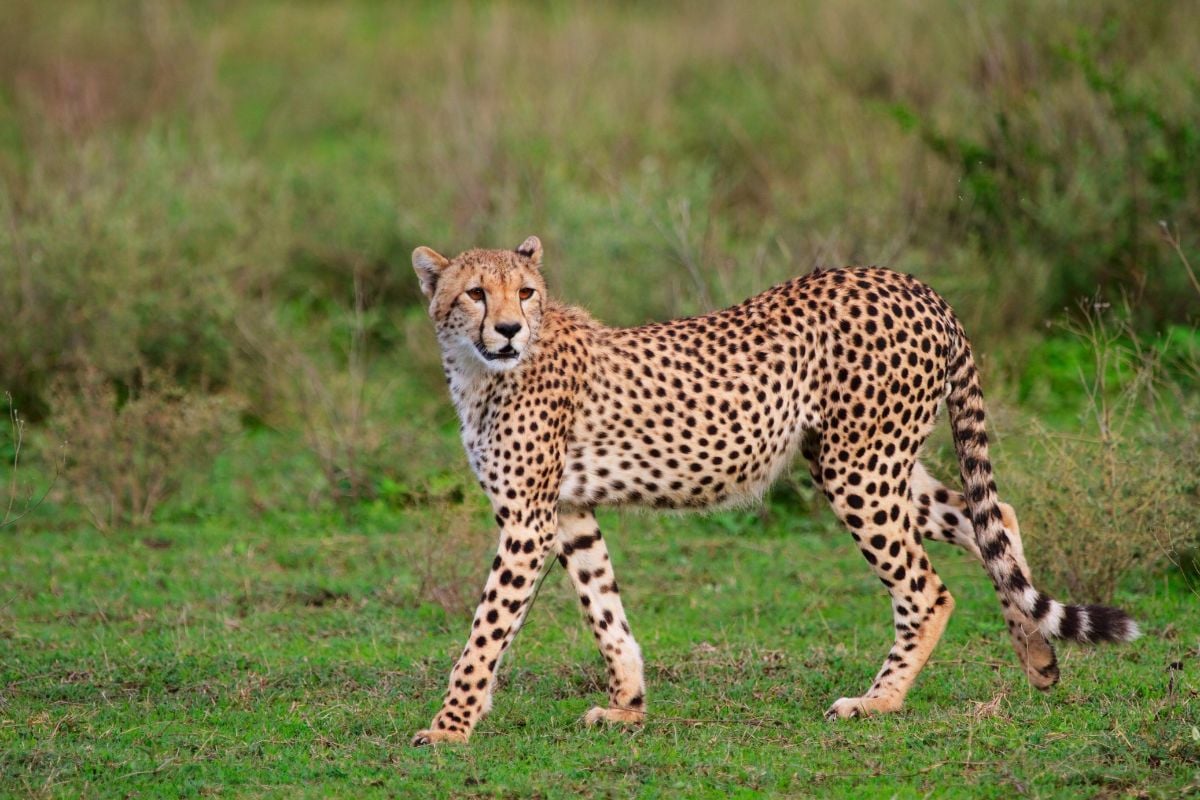
The coat of an East African cheetah ranges from white-yellowish to tannish. As a rule the fur is short and thin, although some animals have thick, coarse hair on the belly.
Apart from the white underbelly, the body is covered in round black spots, some of them visible on the chest and neck. Towards the end of the tail the spots merge into four to fourteen dark rings, finishing in a white tuft.
Running from the corners of the eyes down to the mouth are the tear marks, which help reduce the glare of the sun on the cheetah’s relatively large, thick eyes.
Habitat of the East African Cheetah
In East Africa, cheetahs live mostly in scrub forest, grassland, savannah, open plains, steppe and desert – places where suitable prey is available and which serve as their main hunting grounds.
Smaller numbers live in mountain ranges, along the coast and on lakeshores.
Most of the cheetah’s range stretches from northern Tanzania into southern Kenya.
Hunting And Diet
The East African cheetah is chiefly active in daylight, which makes it one of the few apex predators in Africa that hunts by day rather than by night.
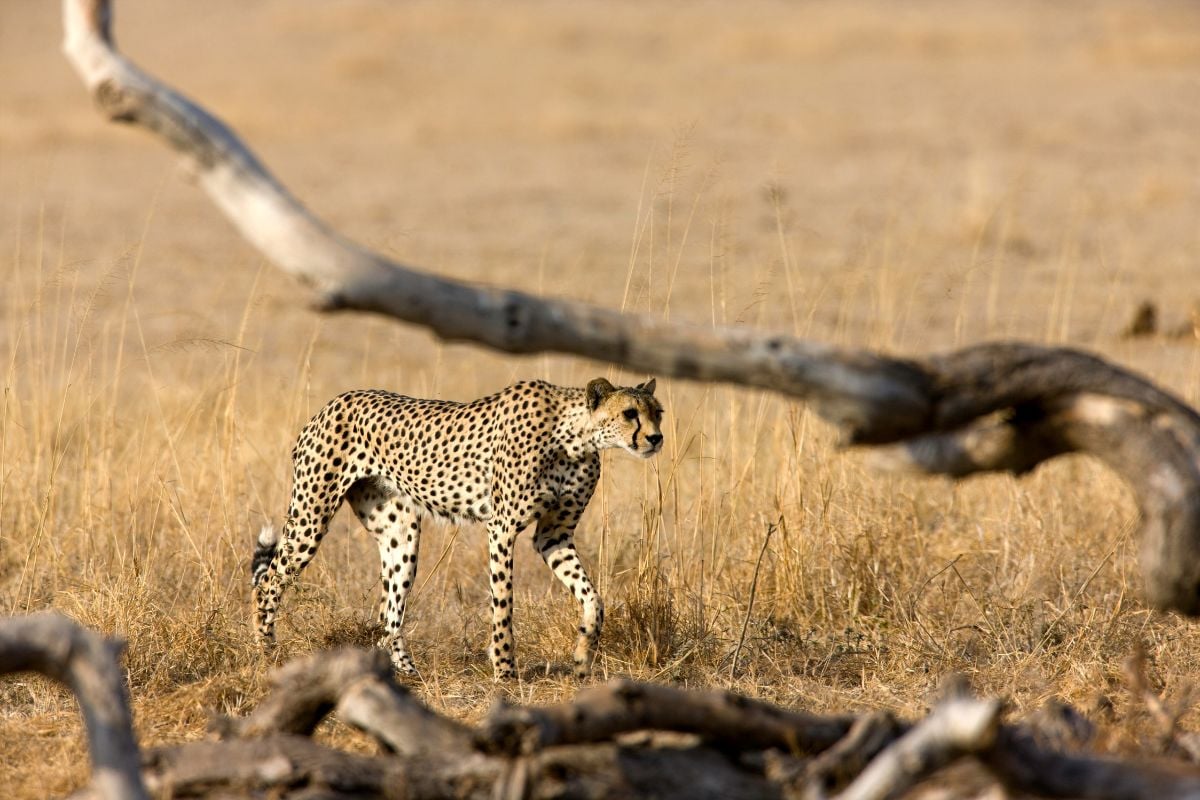
Its usual prey consists of medium-sized or large plant-eating mammals – antelopes, impala, gazelles and wildebeest – along with guinea fowl.
Threats To Survival
Poaching, the loss of habitat and the fragmentation of what remains are the chief reasons the cheetah’s survival is under threat.
In the Serengeti and the Masai Mara, cheetahs do suffer from infectious disease, yet for the free-roaming animals of East Africa this isn’t a serious danger.
Protecting the East African cheetah
Even with the many reserves and national parks within the cheetah’s range, its numbers keep falling.
Among the conservation initiatives working to keep the cheetah from extinction are the Mara-Meru Cheetah Project, the Serengeti Cheetah Project, Action for Cheetahs in Kenya and the Tanzania Cheetah Conservation Program.
In Conclusion
A graceful animal, the East African cheetah roams the magnificent landscapes of Tanzania as well as other parts of eastern and southern Africa.
Although the species is endangered, a great deal of work is being done to protect this remarkable cat.