
30 December 2017
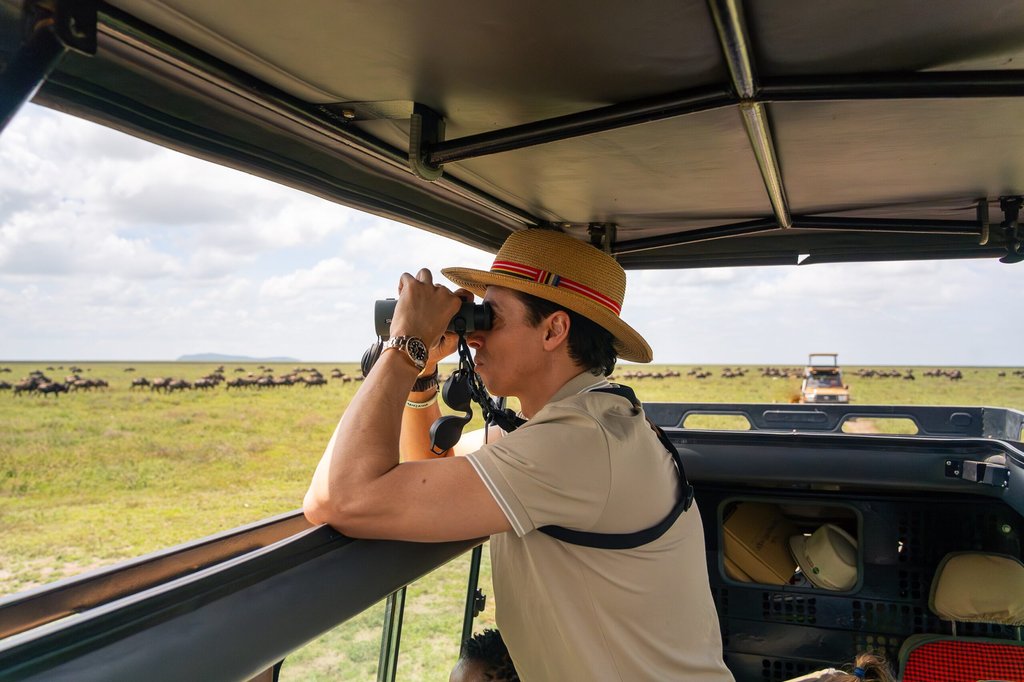
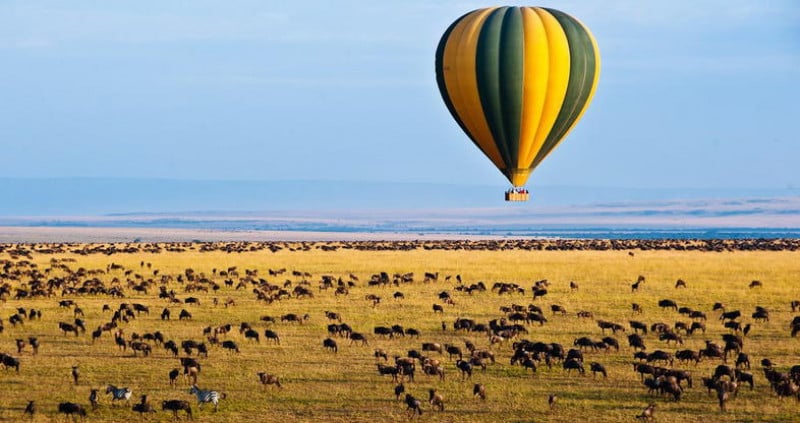
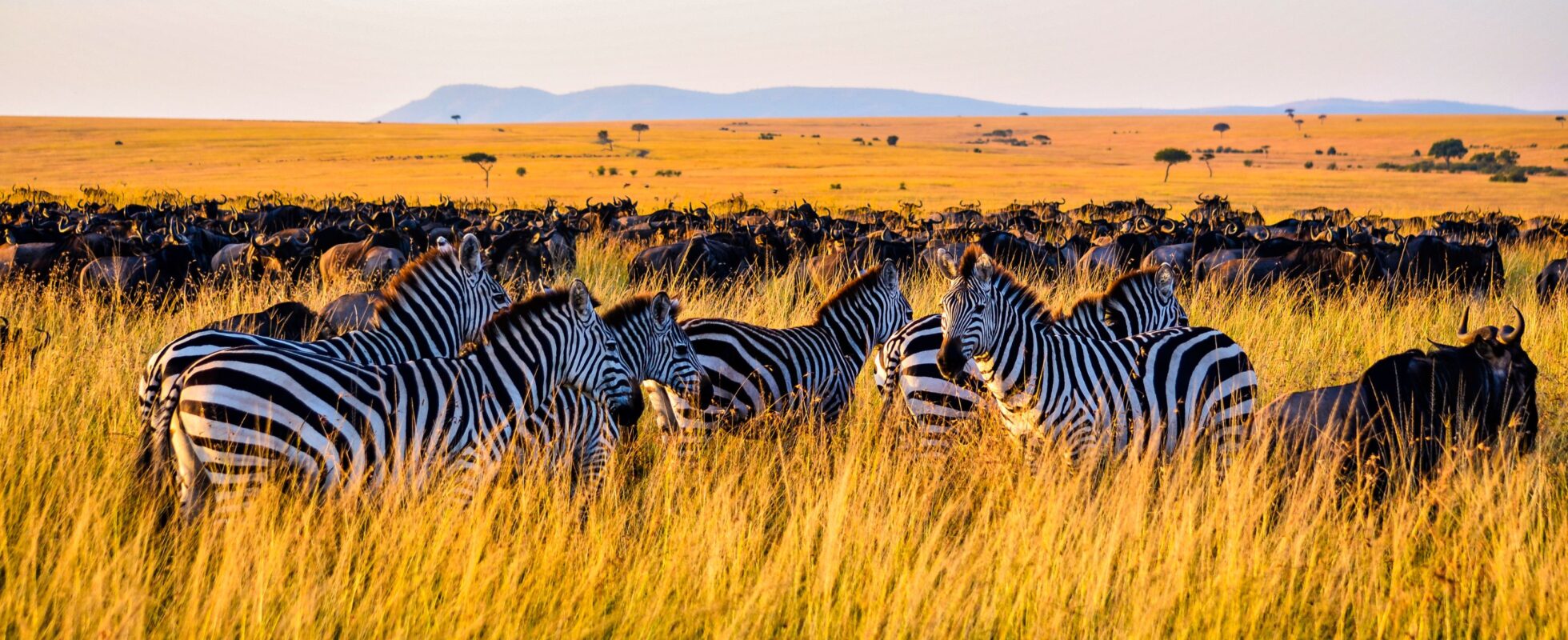
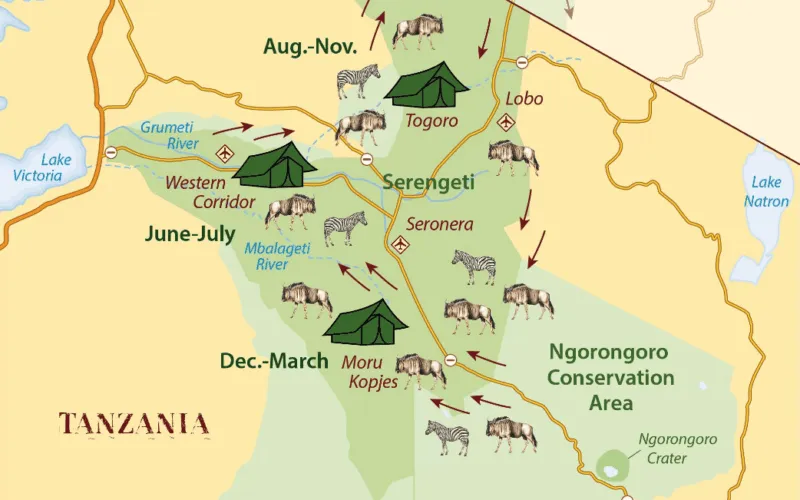
The Serengeti is best known for the Great Wildebeest Migration, among the largest wildlife migrations anywhere in the world. It is also one of the few places in Africa where game viewing is excellent all year round, with high predator numbers and the Big Five present too. The park is huge, covering roughly 30,000 km2 (12,000 sq miles), so careful planning makes a real difference to what you get out of your visit. Which part of the Serengeti you should head for depends mostly on the time of year (the season) you pick for your trip.
Central Serengeti (Seronera region)
Thanks to its many river valleys, this area holds plenty of wildlife in every season. Lions, leopards, elephants and much more can be seen in large numbers. The Wildebeest Migration moves into this section of the Serengeti from April till June and returns in October, November and December. If seeing the migration is the main reason for your Serengeti trip, make sure you are in the central part during those months. Our travel consultants can advise you on the precise timing of the wildebeest migration and on the best places to stay. There is so much to see in this region that we suggest spending at least one or two days here.
Southern Serengeti (Ndutu area)
Between December and March, during the green season, the great wildebeest migration gathers on these nutrient rich plains. In February, half a million calves are born in the south. You will see hundreds of thousands of wildebeest and zebras, and plenty of predators as well, all waiting for their chance to feed on the placentas of the newborn calves. With so many placentas lying on the plain, the young calves themselves are relatively safe. Calving season is a remarkable spectacle that will leave you speechless. Our advice is to take it slowly and spend 2 days in the Ndutu Area at this time of year. Alternatively, you could spend one day in South Serengeti, as many travellers enter the park from the south. Be aware that a single day makes for a tight schedule.
Northern Serengeti (Kogatende area)
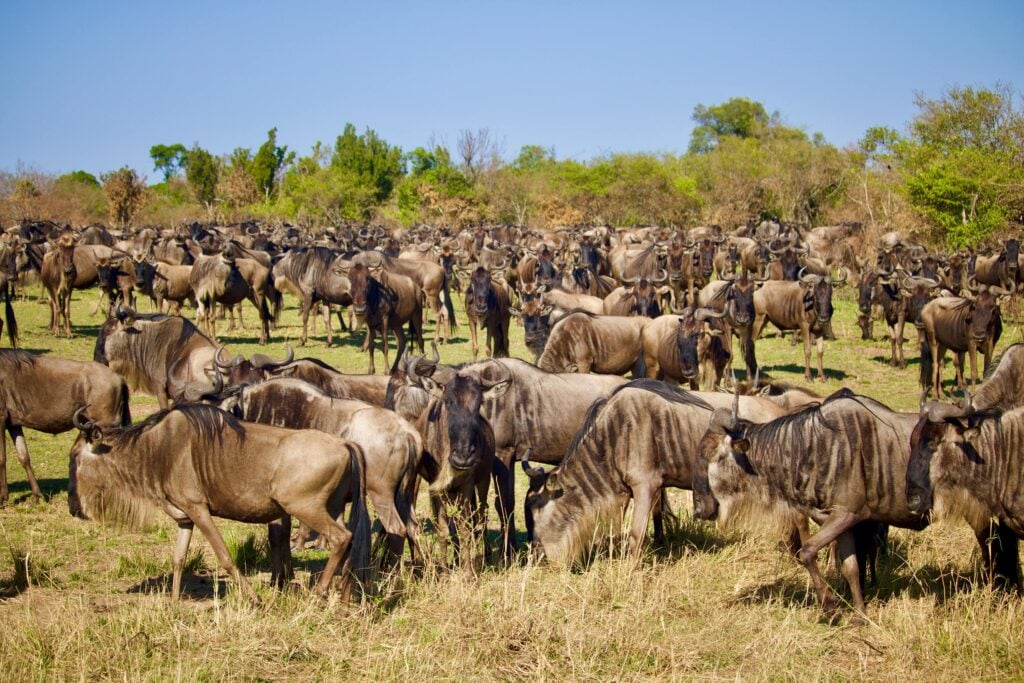
From July to October the migration settles in the northern Serengeti, so that is where you want to be. The herds gather near the Mara River, and you can watch the dramatic river crossings. What you see here at this time is both impressive and tense: the fast flowing water and the crocodiles make every crossing extremely dangerous for the animals. The north of the Serengeti is wonderfully remote and quiet, which is partly because it lies about a 4-hour drive from the central part. If you come here, you will therefore need accommodation in the north as well. We suggest staying at least 2 days to improve your chances of seeing the herds cross the river, and that also leaves you time to enjoy the other wildlife.
Plan your Serengeti stay carefully, so you never have to rush to reach your lodge before dark. Our travel consultants will help you get both the timing and the accommodation right.
Want to know more? Read when and where to find the wildebeest migration, or browse the best Tanzania safaris, including trips built around the wildebeest migration.