29 February 2024
Africa has our hearts: the animals, the nature, the people. That is exactly why we want to do everything we can to protect this wonderful continent, while also wanting as many people as possible to witness the wonders of Tanzania for themselves. So let there be no doubt: responsible tourism matters a great deal to us.
Perhaps you are thinking, “that sounds lovely, but how do ‘responsible’ and ‘tourism’ fit together?” and we understand the question. The tourism industry is clearly not the greenest sector around. Still, we do our utmost to give something back to the planet and its people while creating unforgettable trips. We are far from perfect, but we never stop searching for ways to improve.
In this article we look at the downsides and the upsides of tourism, at what we are doing right now to protect nature and support local people, and at what you can do yourself.
Right then, shall we get started?

Disadvantages and advantages of tourism
The disadvantages
We begin with the most obvious drawback tourism has for the environment: flying. To get anywhere you need some form of transport, and while public transport will do for a journey within your own country or even your continent, a trip to Tanzania really leaves just one option (unless you have plenty of time and are after an adventure of a whole different kind).
On top of that, the more visitors a country receives, the heavier the burden it carries. Farmland and landscapes give way to roads and hotels, more people bring more emissions and more waste, and some age-old cultural traditions risk disappearing. And thanks to Instagram, quiet hidden gems turn into sought-after safari hotspots, unsettling wildlife and nature alike.
Tourism does bring benefits too, though, and with that we leave the gloomy part of this article behind and move on to a brighter picture.

The advantages
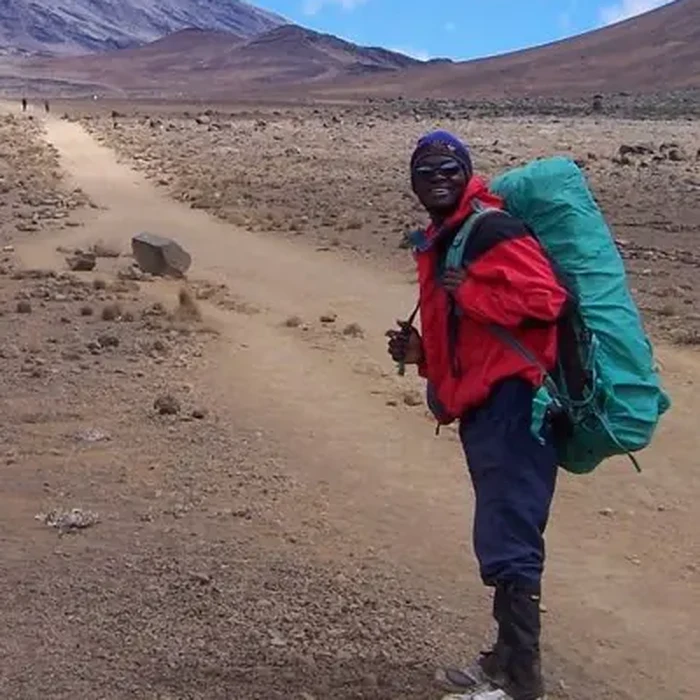
Who better to ask about what tourism means for Tanzania than someone who lives there? Baraka, who founded our local partner company, started on Kilimanjaro as a porter and worked his way up to licensed guide. Tourism gave him a career, and today it gives his crew of guides, cooks and porters a steady income for their families.
The benefits show up on a bigger scale as well. More visitors to a country mean more money flowing in, something developing countries in particular depend on heavily. With more funds available, a country can look after its people and invest in conservation or protecting its landscapes. So yes, travel does harm the planet, but it also does a lot of good.
What we do, and what we don't claim
Your Tanzania Trip is a young company. We plan and book trips from the Netherlands; our local partner runs them in Tanzania. We don't run our own conservation or training projects yet, and we won't pretend we do. When we start one, we'll report it here with facts and figures.
What we can do today:
- Private trips at your pace. Your own guide and vehicle, so you can keep your distance from wildlife and avoid the busiest spots.
- Fair work on the ground. Our partner hires guides, cooks and porters properly, with fair pay and proper gear, and on Kilimanjaro loads are weighed and the crew follows Leave No Trace principles.
- Lodges you choose with us. Ask for lodges and camps that run on solar power and limit waste; we'll show you the options for your route.
- Low-impact days. Walking safaris, cycling, canoeing and village visits with local guides fit into almost every itinerary.

What you can do
Whether you are heading to Tanzania or somewhere else entirely, you can always do your bit for sustainability.
Here are eight useful tips that work anywhere, at any time.
- Tick the small “carbon compensation” box when you book your flight.
- Back local businesses and respect local cultures and customs.
- Go for the eco-friendly choice whenever you can, such as taking the train to your local airport.
- Show respect for nature and wildlife: carry your rubbish out with you, watch animals from a distance and never feed them.
- Join responsible activities such as nature walks, cycling tours or a canoe safari.
- Look up any guidelines on responsible tourism that apply to the country or activity, and follow them.
- Back conservation work with a donation – even a few dollars can make a real difference.
- Turn your phone off: the good old internet is responsible for a lot of CO2 emissions, and although this tip won't change the world, every little helps, and it gives you that ultimate sense of holiday freedom!
And finally: tell us what matters to you when you plan your trip. We are happy to build it around lodges and activities with a lower footprint.
Would you like to travel more responsibly in Tanzania? Contact us and we will show you the options for your trip.