18 December 2021
For plenty of hikers, Mount Kilimanjaro is the – wait for it – peak of their ambitions. Rising to a breathtaking 5,895 metres above sea level, it is the tallest peak on the African continent and the loftiest freestanding mountain on the planet. It follows, then, that getting to the top of this giant brings its fair share of difficulties. Among the things our Kilimanjaro clients ask Your Tanzania Trip most often is: how do you get ready for this bucket-list adventure in Africa?
Our seasoned Your Tanzania Trip mountain guides Paul and Nico have led a great many climbers, from beginners to veterans, safely and successfully to the summit of Kilimanjaro. Below they pass on their five best tips for a successful trek up Mount Kilimanjaro.

Tip 1: Training is key
Climbing Kilimanjaro is no marathon: there is no need to run for hours on end to reach the top. What you should do is make sure your body is used to walking long distances before you land in Tanzania. Go on practice hikes of several hours, or even several days, at a slow, steady pace with breaks along the way. Your feet will be grateful!
Being in good health, keeping a positive mindset and having stamina are the essentials for reaching the top of Mt Kilimanjaro. Stamina counts for far more than strength, and you can build it quickly by hiking closer to home. In the months before your Tanzania climbing trip, find out what level of hike feels comfortable, then gradually extend the length and intensity of your walks until you feel good on treks of two days or longer.
Tip 2: Simulate the conditions
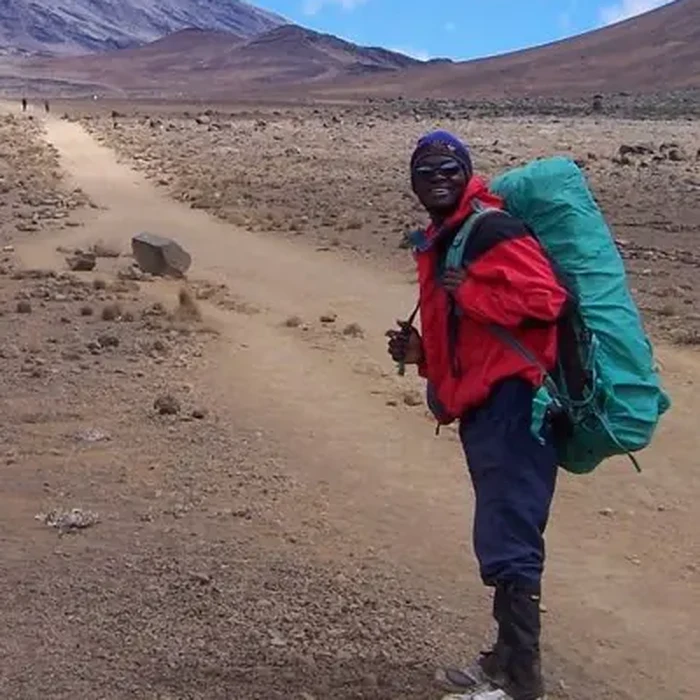
To prepare properly for your Mount Kilimanjaro trek, it helps to know what lies ahead. On the way up you pass through a striking range of landscapes, where the temperature can swing dramatically. Suitable clothing and the right equipment are therefore vital. Our short packing list of must-haves below gives you a first impression; once you have booked with Your Tanzania Trip, you will naturally receive a complete list of everything you need.
Clothes
- T-Shirts & Long sleeves
- Windbreaker/Softshell jacket
- Trekking trousers with detachable legs
- Rain jacket
- Down jacket
- Fleece jacket
- Hardshell jacket
- Gloves, hat, and a tube scarf
- Hiking boots that cover the ankle, worn in beforehand!
Equipment
- A sleeping bag rated to -2 °C, or a down sleeping bag
- Sleeping mat
- Energy bars – three meals a day are provided, but an extra snack never goes amiss 😉
- A bottle or hydration bladder – aim for roughly three to four litres of fluid daily while trekking Mt Kilimanjaro; topping up along the route is possible.
- Light hiking backpack

Another very useful way of preparing for Mount Kilimanjaro is to train at home wearing your backpack and the same hiking gear you will take with you. That way you get accustomed to the weight and learn what to wear so you are neither too cold nor too warm. You will also discover what needs adjusting in your kit and whether any essential accessories are still missing.
Nobody can predict the weather you will get on your tour, so try to train in every kind of weather – wet days included! This helps you adapt to varying conditions and toughens your immune system, which improves your odds of making the summit. And that, after all, is what it is all about!
Tip 3: You are what you eat
There is some truth in that saying, because training and a proper diet build up your energy reserves. Look after your body and your muscles (you are going to need them on the way up!) by eating plenty of healthy food at regular times. You will make faster progress and avoid sore muscles – and who needs those?
Below is a short list of foods that give you A LOT of energy along with plenty of nutrients and vitamins:
- Bananas
- Nuts
- Lemons, grapefruit, and oranges
- Avocados
- Bell peppers
- Ginger
- Pumpkin seeds
- Eggs
- Berries
- Dark chocolate (good news for anyone with a sweet tooth!)
Tip 4: The right guide
This may well be the most important tip of all: climbing Kilimanjaro calls for expertise and professional guidance. Do your homework before booking with a Tanzania travel company, and only commit once you feel safe and at ease.
Even for highly experienced hikers, drawing on the local knowledge of a Kilimanjaro mountain guide can decide whether you reach the summit or not. They know the best routes, but they also keep an eye on you throughout the hike: spotting signs of altitude sickness, checking your heart rate and oxygen level, and talking through all the readings with you to keep you healthy.
Nico (right) and Paul (beside him) are the finest Tanzania mountain guides at Your Tanzania Trip. They were handpicked from hundreds of specialised candidates for their experience, qualifications and genuine love of hiking. With the two of them beside you, your safety and physical well-being are in good hands, and you can count on reaching Africa's highest summit while enjoying every step of the way.
Tip 5: Book and smile
Hikers can choose between seven different routes up Mt Kilimanjaro. Have a look at the routes Your Tanzania Trip offers and pick the one that best fits your plans. You will notice that the moment your booking confirmation lands in your inbox, your excitement and motivation shoot up, and every training session suddenly feels easy.

We can't wait to join you on this exceptional, once-in-a-lifetime experience.